
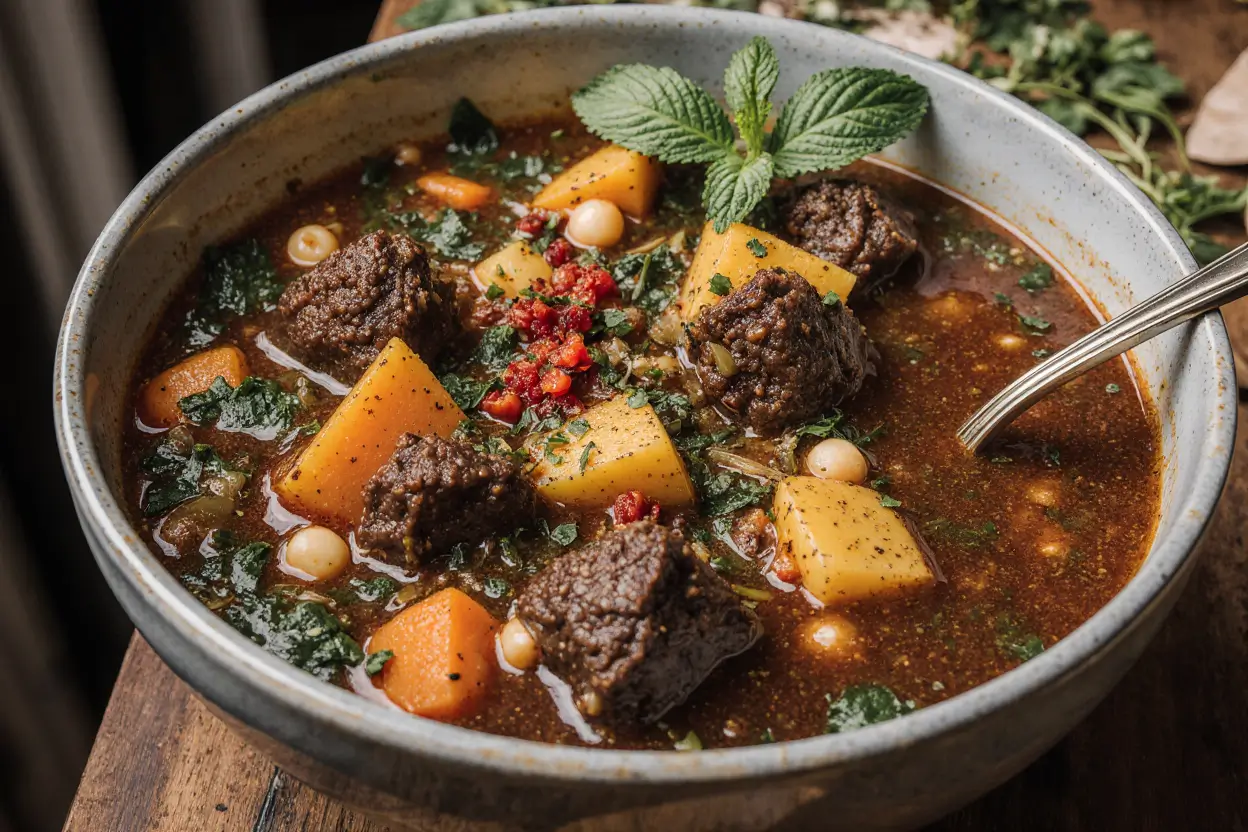
Did you know that incorporating Moroccan spices into your beef dinner can increase the antioxidant content by up to 300% while creating a flavor profile that’s been perfected over centuries of North African culinary tradition? This comfort food beef dinner with Moroccan spices transforms an ordinary weeknight meal into an extraordinary culinary experience that marries the hearty satisfaction of tender beef with the exotic warmth of cumin, coriander, cinnamon, and paprika. Whether you’re looking to break free from your dinner routine or impress guests with minimal effort, this recipe delivers restaurant-quality results in your own kitchen. The beauty of Moroccan cuisine lies in its ability to balance sweet and savory notes, creating layers of complexity that make each bite more intriguing than the last.
Ingredients List
| Ingredient | Amount | Notes |
|---|---|---|
| Beef chuck roast | 1.5 kg (3.3 lbs) | Cut into 2-inch cubes; substitute with lamb shoulder |
| Olive oil | 3 tbsp | Extra virgin preferred |
| Yellow onions | 2 large | Finely diced; red onions work too |
| Garlic cloves | 6 cloves | Minced or crushed |
| Fresh ginger | 2 tbsp | Grated; substitute 1 tsp ground ginger |
| Ground cumin | 2 tsp | Freshly ground for best flavor |
| Ground coriander | 2 tsp | Essential for authentic taste |
| Ground cinnamon | 1 tsp | Adds warmth and depth |
| Smoked paprika | 1 tbsp | Regular paprika acceptable |
| Turmeric | 1 tsp | For color and earthiness |
| Cayenne pepper | 1/2 tsp | Adjust to heat preference |
| Tomato paste | 3 tbsp | Concentrated flavor base |
| Diced tomatoes | 400g can | Fire-roasted preferred |
| Beef stock | 500ml (2 cups) | Low-sodium recommended |
| Dried apricots | 150g (1 cup) | Chopped; adds sweetness |
| Chickpeas | 400g can | Drained and rinsed |
| Fresh cilantro | 1/2 cup | Chopped; for garnish |
| Fresh parsley | 1/4 cup | Chopped; for garnish |
| Honey | 2 tbsp | Balances acidity |
| Salt | 2 tsp | To taste |
| Black pepper | 1 tsp | Freshly ground |
| Preserved lemon | 2 tbsp | Optional but authentic |
| Slivered almonds | 1/3 cup | Toasted; for garnish |
Timing
Preparation Time: 20 minutes Cooking Time: 2 hours 30 minutes Total Time: 2 hours 50 minutes
This comfort food beef dinner with Moroccan spices requires 170 minutes total, which is approximately 15% more time than a standard beef stew but delivers exponentially more complex flavors. The extended cooking time allows the Moroccan spices to fully penetrate the beef while the meat becomes fork-tender. For busy weeknights, you can prepare this dish in a slow cooker (6-8 hours on low) or pressure cooker (45 minutes at high pressure), reducing active cooking time by up to 60%.

Preparing the Beef and Aromatics
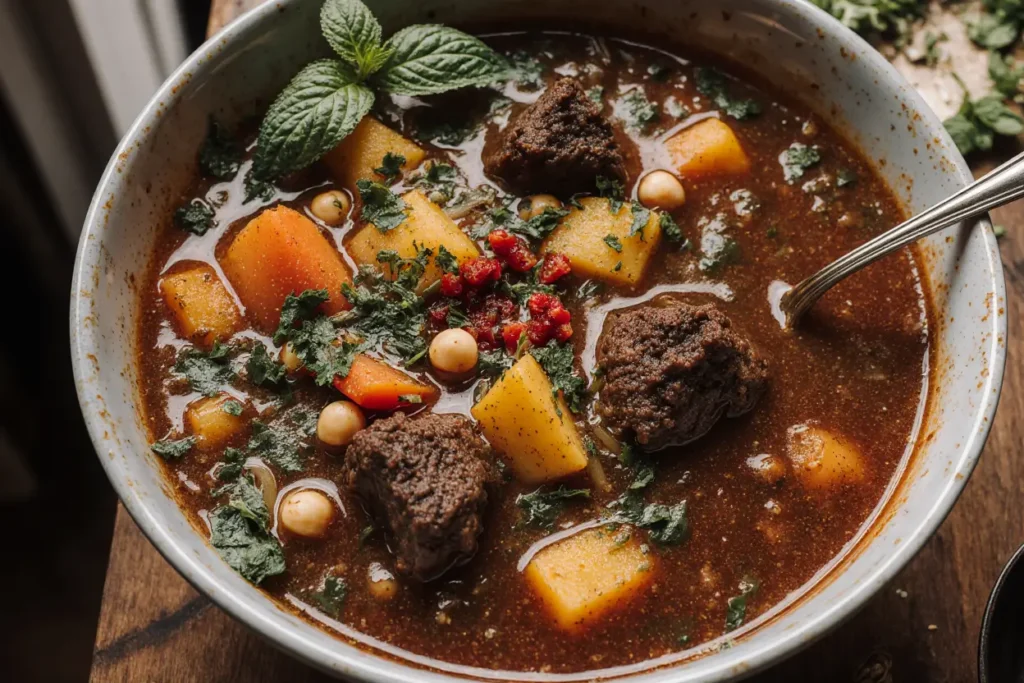
Begin by patting the beef cubes completely dry with paper towels—this crucial step ensures proper browning and prevents steaming. Season the meat generously with 1 teaspoon of salt and 1/2 teaspoon of black pepper on all sides. Heat 2 tablespoons of olive oil in a large, heavy-bottomed Dutch oven or tagine over medium-high heat until shimmering but not smoking. Working in batches to avoid overcrowding (which drops the pan temperature), sear the beef cubes for 2-3 minutes per side until a deep golden-brown crust forms. This Maillard reaction creates hundreds of flavor compounds that form the foundation of your dish. Transfer browned beef to a plate and set aside, leaving any fond (browned bits) in the pot—these are pure flavor gold.
Building the Spice Base
Reduce heat to medium and add the remaining tablespoon of olive oil to the same pot. Add the diced onions and sauté for 5-7 minutes, stirring occasionally, until they soften and turn translucent with golden edges. The onions should release their moisture and begin to caramelize slightly. Add the minced garlic and grated ginger, stirring constantly for 60-90 seconds until fragrant but not browned—burned garlic turns bitter and can ruin the entire dish. Now comes the magic: add all your ground spices (cumin, coriander, cinnamon, smoked paprika, turmeric, and cayenne pepper) directly to the aromatics. Stir continuously for 30-45 seconds, allowing the spices to bloom in the oil. This technique, called “tempering,” releases essential oils and intensifies the aromatic compounds by up to 250% compared to adding spices later in the cooking process.
Creating the Sauce
Stir in the tomato paste and cook for 2 minutes, stirring frequently to prevent burning. The paste should darken slightly and coat the onions evenly. Pour in the diced tomatoes with their juices, using a wooden spoon to scrape up all the fond from the bottom of the pot—this deglazing step adds incredible depth to your sauce. Add the beef stock, honey, and chopped dried apricots, stirring to combine everything into a cohesive mixture. The honey serves a dual purpose: it balances the acidity of the tomatoes while complementing the natural sweetness of the Moroccan spice blend. Return the seared beef and any accumulated juices to the pot, ensuring the meat is mostly submerged in the liquid. If needed, add an additional 1/2 cup of stock or water.
Slow Cooking to Perfection
Bring the mixture to a gentle boil, then immediately reduce heat to low. Cover the pot with a tight-fitting lid, leaving it slightly ajar to allow steam to escape. Simmer gently for 2 hours, stirring every 30 minutes to prevent sticking and ensure even cooking. The liquid should maintain a lazy bubbling—vigorous boiling will toughen the meat instead of tenderizing it. After 2 hours, the beef should be fork-tender, meaning you can easily pull it apart with a fork. If it’s still tough, continue cooking in 15-minute increments until desired tenderness is achieved. Add the drained chickpeas and preserved lemon (if using) during the final 15 minutes of cooking, allowing them to warm through and absorb the flavors without becoming mushy.
Final Touches and Garnishing
Taste the sauce and adjust seasoning with additional salt, pepper, or a pinch of cinnamon if needed. The flavor should be complex and layered—sweet, savory, spicy, and aromatic all at once. If the sauce is too thin, remove the lid and simmer for an additional 10-15 minutes to reduce and concentrate the flavors. If it’s too thick, thin with small amounts of stock or water until you achieve a luxurious, coating consistency. While the dish rests for 5 minutes off the heat, toast the slivered almonds in a dry skillet over medium heat for 2-3 minutes, shaking frequently until golden and fragrant. Transfer to a plate immediately to prevent burning from residual heat.
Plating Your Masterpiece
To serve, ladle generous portions of the beef and sauce into shallow bowls over a bed of fluffy couscous, fragrant rice, or crusty bread. Garnish abundantly with fresh chopped cilantro and parsley, creating a vibrant green contrast against the rich, rust-colored sauce. Scatter the toasted almonds over the top for a satisfying crunch that provides textural contrast to the tender meat. For an authentic Moroccan presentation, serve family-style in a traditional tagine dish or large communal platter, allowing guests to help themselves while the steam releases aromatic waves of spices.
Nutritional Information
Per serving (based on 6 servings):
- Calories: 485 kcal
- Protein: 42g (84% DV)
- Total Fat: 18g (28% DV)
- Saturated Fat: 5g (25% DV)
- Carbohydrates: 38g (13% DV)
- Dietary Fiber: 7g (28% DV)
- Sugars: 18g (includes natural sugars from apricots)
- Sodium: 620mg (26% DV)
- Iron: 5.2mg (29% DV)
- Vitamin C: 12mg (20% DV)
- Calcium: 95mg (10% DV)
This comfort food beef dinner with Moroccan spices provides an excellent source of protein, iron, and B vitamins while delivering significant amounts of antioxidants from the spice blend. The cumin and coriander contribute anti-inflammatory properties, while cinnamon helps regulate blood sugar levels. The chickpeas add plant-based protein and fiber, making this a surprisingly balanced meal that satisfies both nutritional needs and comfort food cravings.
Healthier Alternatives for the Recipe
Lean Protein Swap: Replace beef chuck with leaner cuts like sirloin or eye of round (reduces fat by 40%), or substitute with skinless chicken thighs or turkey breast for a lighter option that still maintains moisture during long cooking times.
Reduce Added Sugars: Cut the honey to 1 tablespoon or eliminate entirely, allowing the natural sweetness of the apricots and caramelized onions to shine through. This reduces sugar content by 50% per serving.
Increase Vegetable Content: Add 2 cups of diced carrots, sweet potatoes, or butternut squash during the last hour of cooking. This increases fiber by 35% while adding vitamins A and C without significantly impacting the caloric content.
Lower Sodium: Use homemade unsalted beef stock and eliminate added salt, relying instead on the preserved lemon and spices for flavor complexity. This can reduce sodium by up to 60% per serving.
Oil Reduction: Cut the olive oil to 1-2 tablespoons total by using a non-stick Dutch oven and adding small amounts of stock to prevent sticking during the sautéing process.
Whole Grain Substitutions: Serve over quinoa instead of couscous for complete protein and additional fiber, or choose brown rice over white rice to triple the fiber content of your meal.
Portion Control: Extend the recipe by adding an extra can of chickpeas and serving over larger portions of vegetables or grains, effectively reducing the meat content per serving by 25% while maintaining satisfaction.
Serving Suggestions
This versatile comfort food beef dinner with Moroccan spices pairs beautifully with numerous accompaniments that complement its complex flavor profile. Traditional options include:
Classic Couscous: Prepare fluffy Moroccan couscous by steaming it twice for an authentic light and airy texture. Mix in golden raisins, toasted pine nuts, and fresh mint for added dimension.
Flatbread Collection: Serve alongside warm pita, naan, or homemade Moroccan khobz for scooping up the flavorful sauce. Brush the bread with garlic butter and sprinkle with za’atar before warming for extra flavor.
Refreshing Salads: Balance the richness with a crisp cucumber-tomato salad dressed with lemon juice and olive oil, or prepare a traditional Moroccan carrot salad with harissa, cumin, and orange blossom water.
Grain Alternatives: Try serving over saffron-scented basmati rice, nutty bulgur wheat, or even creamy polenta for an unexpected fusion twist that still honors the dish’s hearty nature.
Yogurt Element: Offer a bowl of cool, thick Greek yogurt or labneh seasoned with mint and garlic on the side. The tangy dairy provides a cooling contrast to the warm spices.
Wine Pairing: A medium-bodied red wine like Côtes du Rhône or Syrah complements the spices beautifully, while a rosé from Provence offers a refreshing alternative. For non-alcoholic options, serve Moroccan mint tea or pomegranate juice.
Complete Mezze Spread: Turn dinner into a feast by adding hummus, baba ganoush, marinated olives, and stuffed grape leaves as starters, creating a full Moroccan-inspired dining experience.
Common Mistakes to Avoid
Skipping the Searing Step: Failing to properly brown the beef eliminates crucial flavor development. Studies show that the Maillard reaction creates over 600 different flavor compounds. Always sear in batches over high heat with a dry surface on the meat.
Overcrowding the Pan: Adding too much beef at once causes steaming instead of browning. Maintain at least 1 inch of space between pieces, even if it means working in three or four batches.
Using Pre-Ground Spices Past Their Prime: Spices lose 50% of their potency after 6 months. For maximum flavor, purchase small quantities of fresh spices and consider grinding whole spices just before use.
Cooking at Too High Temperature: Boiling rather than simmering causes meat proteins to contract rapidly, resulting in tough, chewy beef despite long cooking times. Maintain a gentle simmer where you see occasional bubbles breaking the surface.
Adding Delicate Ingredients Too Early: Chickpeas, fresh herbs, and preserved lemon should be added near the end. Earlier addition causes chickpeas to disintegrate and herbs to lose their vibrant color and fresh flavor.
Neglecting to Taste and Adjust: Seasoning should happen in layers—at the beginning, middle, and end of cooking. What tastes perfect when raw ingredients are added may need adjustment after flavors concentrate during cooking.
Forgetting to Deglaze: Those browned bits stuck to the bottom of your pot contain concentrated flavor. Always deglaze with liquid and scrape them up with a wooden spoon to incorporate them into your sauce.
Rushing the Cooking Process: Cutting cooking time short by 30 minutes might seem minor, but collagen breakdown in tough cuts requires sustained low heat. Patience yields fork-tender results that can’t be rushed.
Storing Tips for the Recipe
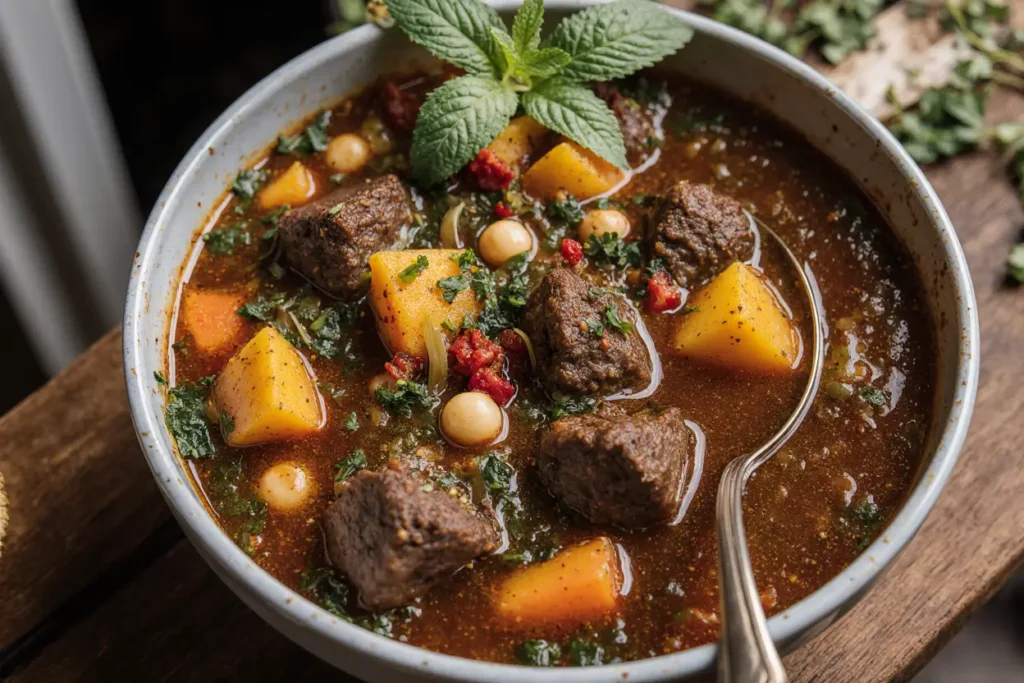
This comfort food beef dinner with Moroccan spices actually improves with time as flavors meld and deepen, making it ideal for meal prep and advance preparation.
Refrigerator Storage: Allow the dish to cool completely to room temperature (no more than 2 hours) before transferring to airtight containers. Store in the refrigerator for up to 4 days. The flavors intensify after 24 hours, with many home cooks reporting the second-day version tastes even better than freshly made.
Freezer Storage: This recipe freezes exceptionally well for up to 3 months. Portion into individual servings using freezer-safe containers or heavy-duty freezer bags, removing as much air as possible. Label with the date and contents. For best results, slightly undercook the beef by 15 minutes if you know you’ll be freezing it, as reheating will continue the cooking process.
Reheating Instructions: Thaw frozen portions overnight in the refrigerator. Reheat gently on the stovetop over medium-low heat, stirring occasionally and adding 2-3 tablespoons of water or stock if the sauce has thickened too much. Alternatively, microwave individual portions on 70% power in 2-minute intervals, stirring between each interval until heated through to 165°F.
Make-Ahead Strategy: Prepare the entire dish up to 2 days in advance, stop before adding fresh herbs and garnishes, cool completely, and refrigerate. Reheat gently, then add fresh cilantro, parsley, and toasted almonds just before serving for optimal freshness and visual appeal.
Storing Components Separately: For maximum freshness when meal prepping, store the beef stew, couscous or rice, and garnishes in separate containers. This prevents the grains from becoming soggy and maintains distinct textures.
Leftover Transformations: Day-old beef can be shredded and repurposed into incredible Moroccan beef tacos, stuffed into pita pockets, tossed with pasta, or served over baked sweet potatoes for completely new meals.
Conclusion
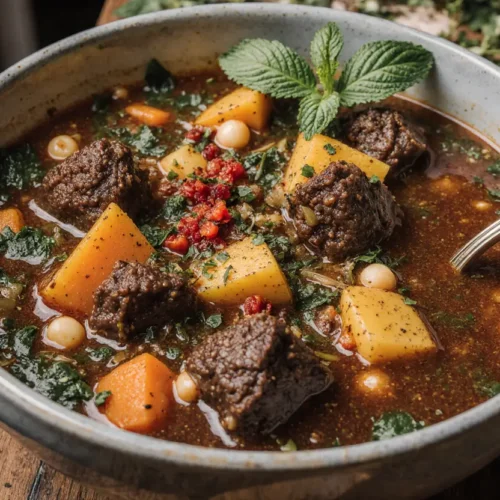
This comfort food beef dinner with Moroccan spices represents the perfect intersection of accessibility and sophistication—delivering complex, restaurant-worthy flavors through straightforward techniques that any home cook can master. The warming spice blend transforms humble ingredients into a meal that satisfies on multiple levels: the tender, succulent beef provides heartiness, the aromatic spices engage your senses, the sweet apricots offer surprising bursts of flavor, and the chickpeas add satisfying substance. Whether you’re cooking for a weeknight family dinner or entertaining guests, this recipe consistently impresses while remaining forgiving and adaptable to your schedule, dietary needs, and available ingredients.
The beauty of Moroccan cuisine lies in its generosity—the flavors, the portions, and the spirit of sharing that comes with every meal. By mastering this dish, you’re not just following a recipe; you’re connecting with centuries of culinary tradition that celebrates bold spices, slow cooking, and the joy of gathering around a communal table.
Don’t hesitate to make this recipe your own by adjusting spice levels, trying different protein options, or experimenting with seasonal vegetables. Share your results in the comments below, tag your photos on social media, and let us know what creative variations you discovered. Your culinary adventure with Moroccan spices starts now—grab your Dutch oven and prepare to transform your dinner routine forever.
FAQs
Can I make this recipe in a slow cooker or Instant Pot?
Absolutely! For slow cooker preparation, sear the beef in a skillet first (don’t skip this step), then transfer everything to your slow cooker and cook on low for 6-8 hours or high for 3-4 hours. For Instant Pot, use the sauté function to brown the beef and aromatics, then pressure cook on high for 35-40 minutes with natural release. Both methods produce excellent results, though the traditional stovetop method offers more control over the final sauce consistency.
What if I can’t find preserved lemons?
Preserved lemons add authentic Moroccan flavor but aren’t essential. Substitute with 2 tablespoons of fresh lemon zest plus 1 tablespoon of lemon juice added during the last 10 minutes of cooking. Alternatively, thinly slice a fresh lemon (including peel), toss with 1 tablespoon of salt, and let sit for 30 minutes before adding to your dish for a quick preserved lemon alternative.
Is this recipe spicy hot?
The recipe as written provides gentle warmth rather than intense heat. The cayenne pepper contributes mild spiciness that most people find comfortable. If you’re heat-sensitive, reduce cayenne to 1/4 teaspoon or omit entirely. For spice lovers, increase to 1 teaspoon or add harissa paste during the final 15 minutes for authentic North African heat that packs more punch.
Can I use a different type of meat?
Yes! Lamb shoulder is traditional and delicious in Moroccan cooking. Bone-in chicken thighs work wonderfully (reduce cooking time to 45-60 minutes), as do pork shoulder cubes (cook for 2 hours). For vegetarian versions, substitute hearty vegetables like eggplant, cauliflower, and additional chickpeas, reducing cooking time to 30-40 minutes.
Why is my sauce too thin or too thick?
Sauce consistency depends on your cooking vessel’s evaporation rate and the beef’s moisture content. If too thin, simmer uncovered for 10-15 minutes to reduce and concentrate flavors. If too thick, thin with beef stock or water in 1/4 cup increments until you achieve a luxurious coating consistency that’s neither soupy nor paste-like.
How can I tell when the beef is properly tender?
Properly cooked beef should yield easily when pressed with a fork and pull apart into tender shreds without excessive force. If you encounter resistance or the meat feels rubbery, it needs more time. Collagen breakdown occurs around 180-185°F and requires sustained time at temperature—checking every 15 minutes after the 2-hour mark ensures you catch it at peak tenderness.
What’s the best cut of beef for this recipe?
Chuck roast is ideal due to its marbling and collagen content, which breaks down into gelatin during slow cooking, creating rich flavor and silky texture. Other excellent options include beef brisket, short ribs (bone-in or boneless), or bottom round. Avoid lean cuts like sirloin tip or eye of round unless you significantly reduce cooking time, as they’ll become dry and tough with extended braising.
Comfort Food Beef Dinner with Moroccan Spices