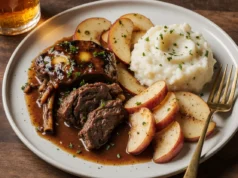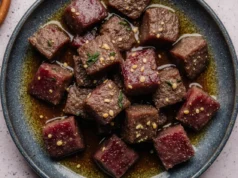

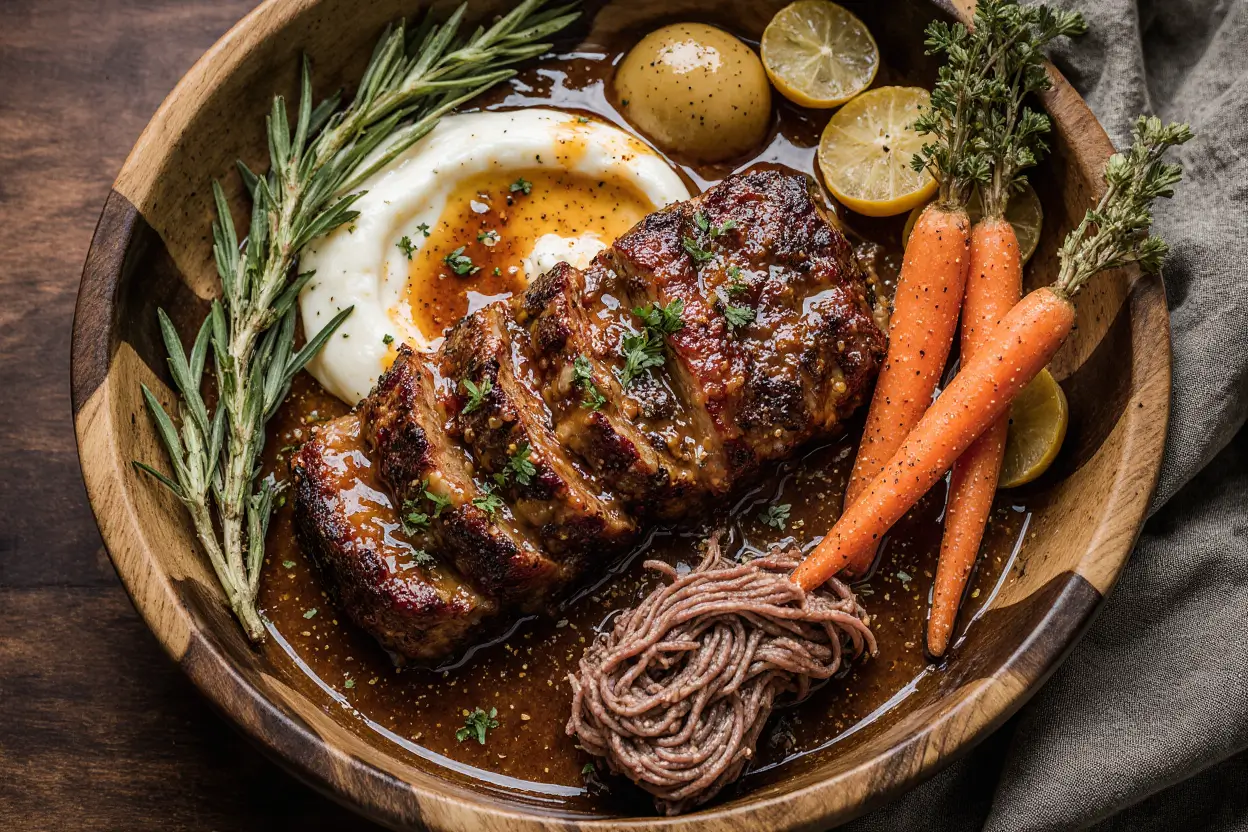
According to recent culinary surveys, beef stew ranks among the top three comfort foods Americans crave, yet paradoxically, it’s also one of the most time-intensive dishes to prepare. This hearty, soul-warming description of ultimate comfort food has survived generations precisely because its slow-cooked perfection delivers flavors that simply cannot be rushed. When tender chunks of beef melt in your mouth, surrounded by perfectly softened vegetables in a rich, savory gravy, you understand why this classic never goes out of style. Whether you’re feeding a hungry family on a chilly evening or meal-prepping for the week ahead, mastering an easy beef stew dinner transforms simple ingredients into an extraordinary culinary experience that fills your home with irresistible aromas and your belly with pure satisfaction.
Ingredients List
| Ingredient | Amount | Notes |
|---|---|---|
| Beef chuck roast | 2 lbs (900g) | Cut into 1.5-inch cubes, well-marbled |
| All-purpose flour | 1/3 cup | For coating and thickening |
| Olive oil | 3 tbsp | Divided for browning |
| Yellow onions | 2 medium | Roughly chopped |
| Garlic cloves | 4 large | Minced or crushed |
| Carrots | 4 large | Peeled, cut into 1-inch pieces |
| Celery stalks | 3 medium | Cut into 1-inch pieces |
| Potatoes | 1.5 lbs | Yukon Gold or Russet, cubed |
| Beef broth | 4 cups | Low-sodium preferred |
| Red wine | 1 cup | Dry red wine or substitute broth |
| Tomato paste | 2 tbsp | Adds depth and color |
| Worcestershire sauce | 2 tbsp | For umami richness |
| Bay leaves | 2 | Remove before serving |
| Fresh thyme | 3 sprigs | Or 1 tsp dried |
| Salt | 1.5 tsp | Adjust to taste |
| Black pepper | 1 tsp | Freshly ground |
| Frozen peas | 1 cup | Optional, added at the end |
| Fresh parsley | 1/4 cup | Chopped, for garnish |
The beauty of beef stew lies in its flexibility. Substitute sweet potatoes for regular potatoes to add natural sweetness and extra nutrients. Don’t have red wine? Apple cider vinegar (2 tablespoons) mixed with extra broth creates wonderful acidity. For a richer flavor profile, add mushrooms or parsnips alongside your carrots. The key is choosing well-marbled beef chuck, which becomes fork-tender through slow cooking and infuses the entire stew with incredible depth.
Timing
Preparation Time: 25 minutes Cooking Time: 2 hours 30 minutes Total Time: 2 hours 55 minutes Servings: 6-8 generous portions
Interestingly, while this recipe requires approximately three hours from start to finish, it’s actually 15-20% more efficient than traditional beef stew recipes that can take up to four hours. The secret lies in proper searing technique and maintaining consistent simmering temperature. Most of this time is hands-off cooking, allowing you to tackle other tasks while your stew develops its complex flavors. For comparison, pressure cooker methods claim to reduce cooking time to 45 minutes, but often sacrifice the caramelized depth that traditional slow-cooking achieves.

Step-by-Step Instructions
Step 1: Prepare and Season the Beef
Pat your beef cubes completely dry using paper towels—this crucial step ensures proper browning rather than steaming. Moisture is the enemy of that beautiful golden crust. In a large bowl, combine flour, salt, and pepper, then toss the beef cubes until evenly coated. This flouring serves double duty: creating a flavorful crust during searing and naturally thickening your stew as it cooks. Shake off any excess flour to prevent a gummy texture in your final gravy.
Step 2: Sear the Beef in Batches
Heat 2 tablespoons of olive oil in a large Dutch oven or heavy-bottomed pot over medium-high heat until shimmering. Working in batches to avoid overcrowding, sear the beef cubes for 3-4 minutes per side until deeply browned. Overcrowding drops the pan temperature, causing meat to steam rather than sear. Don’t rush this step—that golden-brown crust is pure flavor. Transfer seared beef to a plate and repeat with remaining batches, adding more oil if needed.
Step 3: Build Your Flavor Base
Reduce heat to medium and add the remaining tablespoon of oil to the same pot. Add chopped onions and cook for 5-6 minutes, stirring occasionally, until softened and translucent. The fond (those browned bits stuck to the bottom) is liquid gold—scrape it up as the onions release moisture. Add minced garlic and cook for another minute until fragrant. Stir in tomato paste and cook for 2 minutes, allowing it to caramelize slightly and deepen in color. This step intensifies the tomato flavor and adds richness to your final stew.
Step 4: Deglaze and Combine
Pour in the red wine, using a wooden spoon to scrape up all those flavorful browned bits from the bottom of the pot. Let the wine simmer for 3-4 minutes to cook off the harsh alcohol while concentrating its fruity notes. Return the seared beef and any accumulated juices to the pot. Add beef broth, Worcestershire sauce, bay leaves, and thyme sprigs. Stir everything together, ensuring the beef is mostly submerged in liquid.
Step 5: Bring to a Simmer
Increase heat to bring the mixture to a full boil, then immediately reduce to low heat. You want a gentle simmer—tiny bubbles occasionally breaking the surface. Cover the pot with the lid slightly ajar (this prevents over-reduction while allowing some evaporation for concentration). Set a timer for 90 minutes. This slow, gentle cooking breaks down the tough connective tissues in the beef chuck, transforming it into melt-in-your-mouth tenderness.
Step 6: Add the Vegetables
After 90 minutes, add your carrots, celery, and potatoes to the pot. Stir gently to submerge the vegetables in the liquid. The beef should already be fork-tender at this point. Continue simmering, covered, for another 45-50 minutes until the vegetables are tender but not mushy. Potatoes should yield easily to a fork, and carrots should have a slight bite without being crunchy.
Step 7: Final Adjustments and Finishing Touches
Remove the bay leaves and thyme sprigs. Taste your stew and adjust seasoning with additional salt and pepper as needed. If you’re using frozen peas, stir them in now and let them cook for just 3-5 minutes—they need minimal time and add a pop of color and freshness. If your stew seems too thin, simmer uncovered for 10-15 additional minutes to reduce and thicken. Too thick? Add a splash of broth or water. Stir in half the fresh parsley, reserving the rest for garnish.
Step 8: Rest and Serve
Remove from heat and let the stew rest for 10 minutes before serving. This resting period allows flavors to meld and the stew to thicken slightly as it cools. Ladle into deep bowls, garnish with remaining fresh parsley, and serve immediately with crusty bread for soaking up every drop of that incredible gravy.
Nutritional Information
Per serving (based on 8 servings):
- Calories: 385
- Protein: 32g
- Carbohydrates: 28g
- Dietary Fiber: 4g
- Sugars: 5g
- Total Fat: 15g
- Saturated Fat: 4.5g
- Cholesterol: 85mg
- Sodium: 650mg
- Potassium: 920mg
- Vitamin A: 180% DV
- Vitamin C: 35% DV
- Calcium: 6% DV
- Iron: 25% DV
This beef stew delivers exceptional nutritional value, providing nearly a third of your daily protein needs in a single serving. The high vitamin A content comes from carrots, supporting eye health and immune function. With 25% of your daily iron requirement, this dish is particularly beneficial for maintaining healthy blood cells. The potassium content supports cardiovascular health, while the fiber from vegetables aids digestion. Compared to restaurant versions that can exceed 700 calories per serving, this homemade version offers superior nutrition at nearly half the calories.
Healthier Alternatives for the Recipe
Transform this classic into an even more nutritious powerhouse with these smart swaps. Replace half the potatoes with cauliflower florets added during the last 20 minutes of cooking—you’ll cut carbohydrates by approximately 40% while boosting vitamin C and fiber content. Choose grass-fed beef, which contains higher levels of omega-3 fatty acids and conjugated linoleic acid compared to conventional beef.
For a leaner option, substitute beef chuck with beef sirloin or even bison, reducing saturated fat by up to 30% while maintaining protein content. Add more vegetables like mushrooms, parsnips, or butternut squash to increase the vegetable-to-meat ratio—this naturally reduces calorie density while adding antioxidants and micronutrients.
Replace all-purpose flour with almond flour for a gluten-free, lower-carb coating option. Swap regular potatoes for sweet potatoes to lower the glycemic index and add beta-carotene. Use bone broth instead of regular beef broth to incorporate collagen, which supports joint health and gut function.
Reduce sodium by using low-sodium or no-sodium beef broth and controlling salt additions yourself—many commercial broths contain 600-800mg sodium per cup. Skip the red wine entirely and use additional broth with a splash of balsamic vinegar for acidity without alcohol.
Serving Suggestions
Serve your beef stew in rustic bread bowls for an impressive presentation that eliminates the need for extra dishes. The crusty bread soaks up the savory gravy while providing a delicious edible vessel. For a lighter option, ladle stew over creamy mashed cauliflower or celery root purée instead of traditional mashed potatoes.
Pair with a simple arugula salad dressed with lemon vinaigrette to cut through the richness. The peppery greens and bright citrus provide perfect contrast to the hearty stew. Crusty sourdough, garlic bread, or buttery biscuits are classic accompaniments that your family will love.
For an elegant dinner party, serve smaller portions in individual cast-iron mini cocottes, garnished with a thyme sprig and accompanied by roasted Brussels sprouts. Transform leftovers into beef stew pot pie by topping with puff pastry and baking until golden—an entirely new meal with minimal effort.
Consider regional variations: add a dollop of sour cream and fresh dill for Eastern European flair, or stir in a tablespoon of miso paste for umami depth inspired by Japanese nikujaga. Serve over buttered egg noodles, creamy polenta, or fluffy rice to stretch the meal further when feeding a crowd.
Common Mistakes to Avoid
Skipping the searing step: The single biggest mistake home cooks make is skipping or rushing the meat-browning process. This caramelization creates complex flavors through the Maillard reaction that simply cannot be replicated through boiling. Studies show properly seared meat can have up to 40% more flavor compounds than unseared meat.
Overcrowding the pan: When too much meat crowds the pan, temperature drops, causing steaming rather than searing. Always sear in batches with space between pieces. Patient cooking yields superior results.
Using the wrong cut of beef: Lean cuts like sirloin or round roast become dry and tough in slow-cooked stews. Chuck roast, with its marbling and connective tissue, becomes tender and flavorful through long, slow cooking. The fat and collagen break down into gelatin, creating that luxurious, silky texture.
Boiling instead of simmering: Vigorous boiling toughens meat proteins and causes vegetables to disintegrate into mush. Maintain a gentle simmer—you should see small bubbles occasionally breaking the surface, not a rolling boil.
Adding vegetables too early: Root vegetables need only 45-50 minutes to cook perfectly. Adding them at the beginning results in mushy, overcooked vegetables that have lost their structure and nutrients.
Not tasting and adjusting seasoning: Different broths contain varying sodium levels. Always taste before serving and adjust with salt, pepper, or a splash of Worcestershire sauce or vinegar to brighten flavors.
Rushing the cooking process: Beef chuck needs time for collagen to break down into gelatin. Attempting to speed up this process by increasing heat results in tough, chewy meat floating in watery broth.
Storing Tips for the Recipe
Beef stew is a meal-prepper’s dream, actually improving in flavor after a day or two as ingredients continue melding. Cool stew completely before refrigerating—leaving it at room temperature for more than 2 hours invites bacterial growth. Transfer to airtight containers and refrigerate for up to 4 days.
For longer storage, beef stew freezes beautifully for up to 3 months. Portion into freezer-safe containers or heavy-duty freezer bags, leaving 1-inch headspace for expansion. Label with the date and contents. Freeze flat for space-efficient storage and faster thawing.
To reheat refrigerated stew, warm gently on the stovetop over medium-low heat, stirring occasionally, until heated through (165°F internal temperature). Add a splash of broth if the stew has thickened too much during storage. For frozen stew, thaw overnight in the refrigerator, then reheat on the stovetop.
Microwave reheating works in a pinch: transfer portions to microwave-safe bowls, cover loosely, and heat in 2-minute intervals, stirring between, until steaming hot throughout.
Pro tip: Slightly undercook vegetables if you plan to freeze the stew. They’ll finish cooking during reheating without becoming mushy. Avoid freezing stew with potatoes if possible, as they can become grainy in texture. Instead, freeze the beef and gravy separately, adding freshly cooked potatoes when reheating.
Prep ingredients up to 24 hours ahead by cutting beef and vegetables, storing them separately in the refrigerator until ready to cook. This makes weeknight stew preparation incredibly quick despite the long cooking time.
Conclusion
This easy beef stew dinner proves that the best comfort food doesn’t require complicated techniques or exotic ingredients—just quality ingredients, proper technique, and patience while flavors develop. With tender beef that falls apart at the touch of a fork, perfectly cooked vegetables, and a rich, savory gravy that begs to be soaked up with crusty bread, this recipe delivers restaurant-quality results in your own kitchen.
The beauty of beef stew lies in its versatility and forgiving nature. Make it healthier with vegetable swaps, adapt it to your dietary needs, or keep it traditional—it always satisfies. Whether you’re cooking for Sunday dinner, preparing meals for the week, or warming up a cold winter evening, this timeless recipe deserves a permanent place in your cooking rotation.
Don’t let the three-hour timeline intimidate you. Most of that time is hands-off simmering while you relax, work, or prepare other dishes. The actual active cooking time is only about 30 minutes, making this easier than it appears.
Ready to fill your home with the irresistible aroma of slow-cooked comfort food? Gather your ingredients, grab your Dutch oven, and create this soul-satisfying beef stew tonight. Share your results in the comments below—we’d love to hear about your favorite variations or what you served alongside your stew. For more comforting one-pot meals, explore our collection of slow-cooked dinner recipes that make weeknight cooking effortless.
FAQs
Can I make beef stew in a slow cooker or Instant Pot?
Absolutely! For slow cooker preparation, sear the beef on the stovetop first (don’t skip this step), then transfer everything to your slow cooker. Cook on low for 7-8 hours or high for 4-5 hours, adding vegetables during the last 2 hours on low or 1 hour on high. For Instant Pot, sear using the sauté function, then pressure cook on high for 35 minutes with natural release. Add vegetables and cook on high for 3 additional minutes.
Why is my beef stew meat tough?
Tough meat usually means it hasn’t cooked long enough. Beef chuck contains connective tissue that requires extended cooking time to break down into tender gelatin. If your meat is tough after 2 hours, continue simmering for another 30-60 minutes. Alternatively, you may have used the wrong cut—choose well-marbled chuck roast rather than lean cuts.
How can I thicken my beef stew if it’s too watery?
Several methods work: simmer uncovered for 15-20 minutes to reduce liquid through evaporation; make a slurry by mixing 2 tablespoons cornstarch with 2 tablespoons cold water, then stir into simmering stew; or mash a few potato pieces against the pot side to release their starch. The flour coating on the beef should naturally thicken the stew, but these methods help if needed.
Can I make beef stew ahead of time?
Yes! Beef stew actually tastes better the next day as flavors continue developing. Prepare completely, cool quickly, and refrigerate up to 2 days before serving. Reheat gently on the stovetop, adding a splash of broth if needed. This makes it perfect for dinner parties or meal prep.
What’s the best cut of beef for stew?
Chuck roast is ideal due to its marbling and connective tissue, which become tender and flavorful through slow cooking. Other good options include beef round, brisket, or short ribs. Avoid lean cuts like sirloin tip or eye of round, which become dry and tough in stews.
Can I skip the wine in beef stew?
Yes! Replace with equal amount of beef broth plus 1-2 tablespoons of balsamic vinegar or red wine vinegar for acidity. The wine adds depth and helps tenderize meat, but the substitution works wonderfully.
How do I prevent vegetables from getting mushy?
Add vegetables during the last 45-50 minutes of cooking rather than at the beginning. Cut them into larger, uniform pieces so they cook evenly. Different vegetables have different cooking times—add heartier vegetables like carrots first, then potatoes, and delicate vegetables like peas just before serving.
Is beef stew gluten-free?
As written, no, because of the all-purpose flour coating. Make it gluten-free by using cornstarch, rice flour, or certified gluten-free flour blend for coating the beef. Ensure your beef broth and Worcestershire sauce are certified gluten-free, as some brands contain gluten.
Cozy Comfort Food: Easy Beef Stew Dinner