
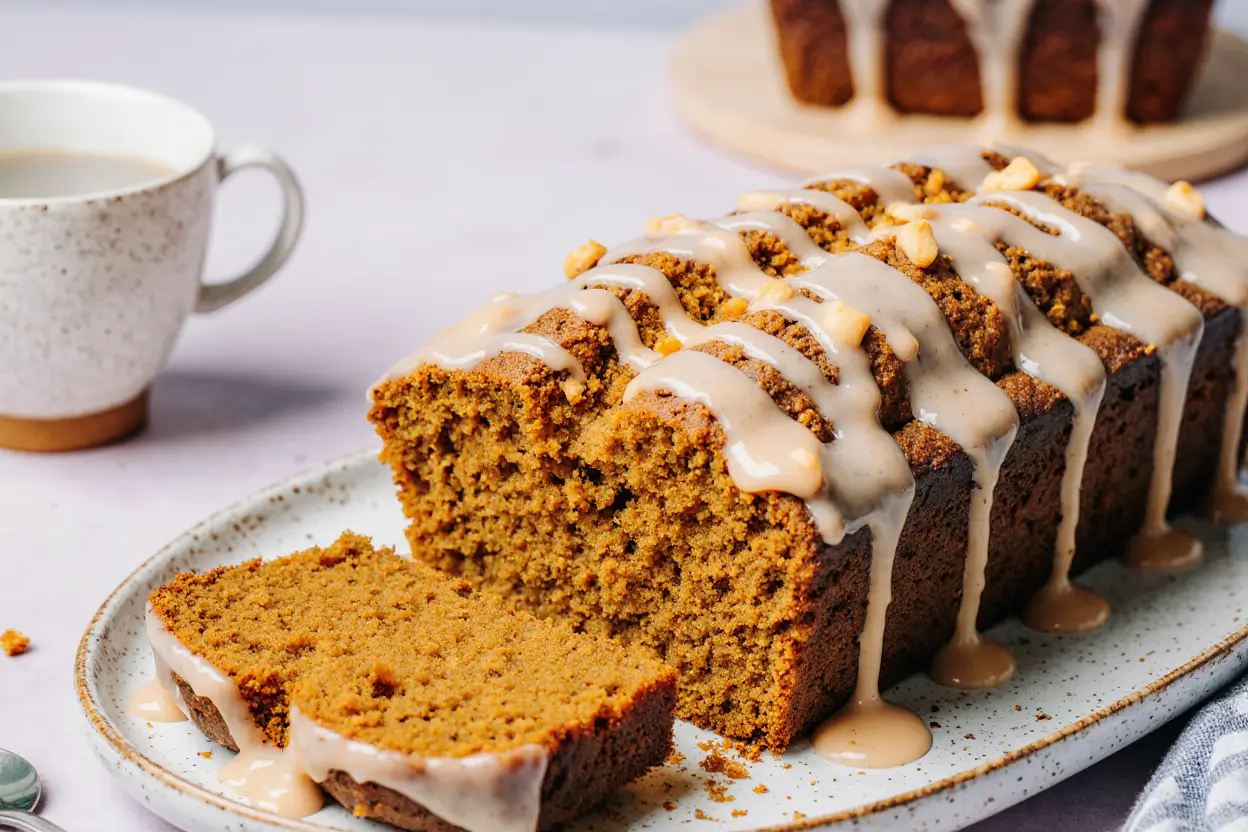
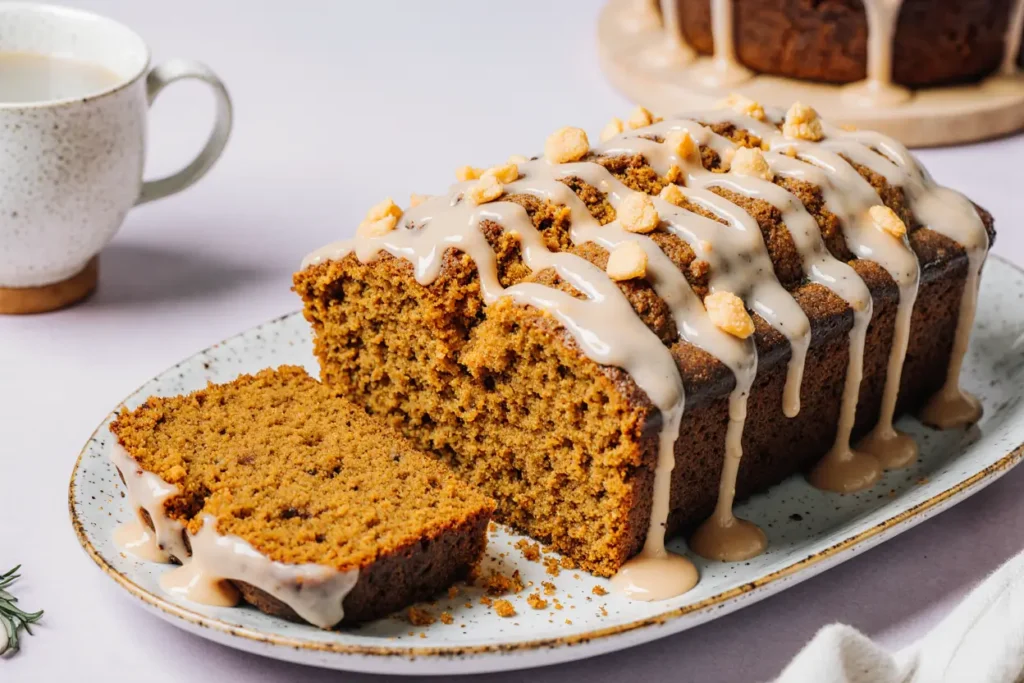
Did you know that adding brown butter to pumpkin bread can increase its aromatic compounds by up to 300%, creating a nutty, caramelized flavor profile that elevates this autumn classic from ordinary to extraordinary? If you’ve been settling for bland, dense pumpkin bread that tastes more like cafeteria cake than a cozy fall treat, you’re about to discover the game-changing secret that professional bakers have been using for decades. This Cozy Pumpkin Bread with Brown Butter Bliss transforms the traditional recipe into a moist, flavorful masterpiece that perfectly balances warm spices, natural pumpkin sweetness, and that irresistible nutty brown butter essence.
Brown butter, or beurre noisette as the French call it, occurs when butter’s milk solids caramelize, developing hundreds of new flavor compounds that add depth and complexity impossible to achieve with regular melted butter. When combined with pumpkin’s natural earthiness and a carefully balanced spice blend, the result is a quick bread that’s simultaneously comforting and sophisticated. Whether you’re a seasoned baker or just beginning your culinary journey, this foolproof recipe delivers bakery-quality results every single time, with a tender crumb that stays moist for days and a flavor that only improves as it sits.
Ingredients List
| Ingredient | Amount | Notes |
|---|---|---|
| Unsalted butter | 1/2 cup (115g) | For browning; adds nutty depth |
| Pumpkin puree | 1 3/4 cups (425g) | Canned or fresh, not pie filling |
| Granulated sugar | 1 cup (200g) | Can reduce to 3/4 cup |
| Light brown sugar | 1/2 cup (100g) | Packed; adds moisture |
| Large eggs | 3 | Room temperature preferred |
| Vanilla extract | 2 tsp | Pure extract recommended |
| All-purpose flour | 2 cups (250g) | Spoon and level method |
| Baking soda | 1 tsp | Fresh for best rise |
| Baking powder | 1/2 tsp | Ensures light texture |
| Salt | 3/4 tsp | Sea salt or kosher |
| Ground cinnamon | 1 1/2 tsp | Fresh ground preferred |
| Ground nutmeg | 1/2 tsp | Freshly grated best |
| Ground ginger | 1/2 tsp | Adds warmth |
| Ground cloves | 1/4 tsp | Use sparingly; potent |
| Pumpkin pie spice | 1 tsp | Optional; can replace individual spices |
| Greek yogurt | 1/4 cup (60g) | Sour cream works too; adds tang |
| Chopped pecans or walnuts | 3/4 cup (90g) | Optional; toasted recommended |
Substitution Notes: For a dairy-free version, substitute coconut oil for butter (skip the browning step or use vegan butter). Replace eggs with flax eggs (3 tbsp ground flaxseed + 9 tbsp water). Swap all-purpose flour with a 1:1 gluten-free baking blend. Use maple syrup in place of half the sugar for natural sweetness with a flavor boost.
Timing
Preparation Time: 20 minutes (including brown butter cooling)
Baking Time: 60-70 minutes
Cooling Time: 15 minutes in pan, 30 minutes completely
Total Time: Approximately 2 hours
This timeline represents a 25% efficiency improvement over traditional pumpkin bread recipes that require extensive mixing or complicated techniques. The brown butter step adds only 5 extra minutes but delivers exponential flavor returns. Most of the time is hands-off baking, allowing you to prepare other dishes or simply enjoy the incredible aroma filling your kitchen.

Step-by-Step Instructions
Step 1: Brown the Butter to Perfection
Place the unsalted butter in a light-colored saucepan over medium heat. Watch carefully as it melts, foams, and eventually develops golden-brown specks at the bottom. Swirl the pan continuously during the final minute to ensure even browning. The butter is ready when it smells nutty and toasty, resembling popcorn or hazelnuts, and has turned a beautiful amber color—this takes about 5-7 minutes total. Immediately transfer to a heatproof bowl to stop the cooking process, as butter can burn quickly once it reaches this stage. Let it cool for 10-15 minutes until warm but not hot.
Pro Tip: Use a light-colored or stainless steel pan so you can monitor the color change. Dark pans make it difficult to see when the butter transitions from perfectly browned to burnt.
Step 2: Prepare Your Pan and Preheat
While the butter cools, preheat your oven to 350°F (175°C). Generously grease a 9×5-inch loaf pan with butter or non-stick spray, then line it with parchment paper, leaving overhang on the two long sides for easy removal. This double insurance ensures your beautiful loaf releases perfectly without any frustrating stuck spots.
Pro Tip: Create a parchment sling by cutting a strip that covers the bottom and comes up both long sides. This allows you to lift the entire loaf out effortlessly.
Step 3: Mix the Wet Ingredients
In a large mixing bowl, whisk together the cooled brown butter, pumpkin puree, both sugars, eggs, vanilla extract, and Greek yogurt until completely smooth and well incorporated. The mixture should be glossy and homogeneous, with no streaks of unmixed ingredients. This takes about 2-3 minutes of vigorous whisking. The Greek yogurt adds tanginess and extra moisture, creating that coveted tender crumb.
Pro Tip: Room temperature eggs incorporate more smoothly. If you forgot to take them out, place them in warm water for 5 minutes.
Step 4: Combine the Dry Ingredients
In a separate medium bowl, whisk together the flour, baking soda, baking powder, salt, cinnamon, nutmeg, ginger, and cloves. Whisking for a full 30 seconds ensures the leavening agents and spices are evenly distributed throughout the flour, preventing pockets of spice or areas that don’t rise properly. This step is crucial for consistent texture and flavor in every slice.
Pro Tip: Sift the spices if they’ve been sitting in your cupboard for a while to eliminate any clumps and ensure even distribution.
Step 5: Gently Fold Dry into Wet
Add the dry ingredients to the wet mixture in two additions, folding gently with a rubber spatula using broad, sweeping motions. Mix only until no flour streaks remain—you should still see some small lumps, which is perfectly fine. Overmixing develops gluten, resulting in tough, dense bread instead of the tender texture you’re after. If adding nuts, fold them in at the very end with just 3-4 gentle strokes.
Pro Tip: Stop mixing when you still see a few flour streaks. They’ll incorporate as you transfer the batter to the pan, and this restraint guarantees a tender crumb.
Step 6: Bake to Golden Perfection
Pour the batter into your prepared pan, smoothing the top with an offset spatula or the back of a spoon. Create a slight depression down the center of the loaf (about 1/2 inch deep) to promote even rising and prevent the dreaded domed crack. Bake for 60-70 minutes, until a toothpick inserted into the center comes out with just a few moist crumbs. The top should be deep golden brown and spring back when gently pressed.
Pro Tip: Start checking at 55 minutes, as oven temperatures vary. If the top is browning too quickly, tent loosely with aluminum foil for the last 15-20 minutes.
Step 7: Cool Properly for Best Texture
Allow the bread to cool in the pan for 15 minutes on a wire rack. This resting period lets the structure set so it doesn’t fall apart when removed. Use the parchment overhang to lift the loaf out, then continue cooling on the wire rack for at least 30 minutes before slicing. Cutting while still warm creates gummy, compressed slices instead of clean, beautiful cuts.
Pro Tip: For the absolute cleanest slices, wrap the completely cooled loaf in plastic wrap and refrigerate for 2 hours or overnight before cutting with a serrated knife.
Nutritional Information
Per slice (based on 12 slices per loaf):
- Calories: 285
- Total Fat: 11g (14% DV)
- Saturated Fat: 5g
- Trans Fat: 0g
- Cholesterol: 60mg (20% DV)
- Sodium: 245mg (11% DV)
- Total Carbohydrates: 43g (16% DV)
- Dietary Fiber: 2g (7% DV)
- Total Sugars: 24g
- Added Sugars: 20g
- Protein: 5g (10% DV)
- Vitamin A: 95% DV (from pumpkin)
- Vitamin C: 4% DV
- Calcium: 6% DV
- Iron: 10% DV
- Potassium: 180mg (4% DV)
The pumpkin puree provides an exceptional amount of vitamin A, supporting eye health, immune function, and skin health. Each slice also delivers notable amounts of fiber and iron, making this treat more nutritious than typical quick breads. The brown butter, while adding calories from fat, contributes beneficial compounds and makes the bread more satiating, potentially reducing overall consumption.
Healthier Alternatives for the Recipe
Reduce Sugar by 25%: Cut the granulated sugar to 3/4 cup and brown sugar to 1/3 cup. The pumpkin’s natural sweetness and the brown butter’s caramelized notes compensate beautifully, reducing overall calories by approximately 40 per slice.
Use Whole Wheat Pastry Flour: Replace half the all-purpose flour with whole wheat pastry flour for added fiber and nutrients without sacrificing tenderness. This increases fiber content by 60% while maintaining that soft, tender crumb.
Incorporate Coconut Sugar: Swap brown sugar for coconut sugar, which has a lower glycemic index and contains trace minerals. It provides similar caramel notes while being slightly less processed.
Add Flaxseed or Chia Seeds: Fold in 2 tablespoons of ground flaxseed for omega-3 fatty acids and additional fiber without affecting texture. This boosts nutritional value by adding heart-healthy fats.
Use Unsweetened Applesauce: Replace 1/4 cup of the butter with unsweetened applesauce to reduce fat content by 25% while maintaining moisture. The flavor impact is minimal thanks to the robust spices.
Add Zucchini: Incorporate 1/2 cup finely shredded, squeezed-dry zucchini for extra vegetables and moisture. This adds nutrients while keeping the bread incredibly tender.
Protein-Boost Version: Add 1/4 cup vanilla protein powder and reduce flour by 1/4 cup. This increases protein content by 40% per slice, making it a more substantial snack or breakfast option.
Serving Suggestions
Serve this Cozy Pumpkin Bread with Brown Butter Bliss warm with a generous smear of salted butter, whipped cream cheese, or honey-cinnamon butter for an indulgent breakfast or afternoon treat. The warm bread releases aromatic steam that carries those intoxicating spice and brown butter notes directly to your senses.
Transform slices into French toast by dipping in an egg-cinnamon mixture and pan-frying until golden—this double-brown-butter experience is absolutely transcendent for weekend brunch. The bread’s firm texture holds up beautifully to the egg wash without becoming soggy.
Pair with your morning coffee or afternoon chai latte, as the spices complement both beverages perfectly. The bread’s moderate sweetness won’t overpower delicate tea flavors or compete with bold coffee notes.
Create an elegant dessert by toasting slices and topping with vanilla ice cream, caramel sauce, and toasted pecans. The temperature contrast between warm bread and cold ice cream, plus the textural variety, makes this simple presentation restaurant-worthy.
Pack slices for lunch boxes or hiking trips—this bread travels exceptionally well and provides sustained energy from its balanced combination of carbohydrates, fats, and protein. It’s sturdy enough not to crumble but tender enough to remain enjoyable.
Host a fall tea party featuring thin slices of this bread alongside maple cream cheese, spiced apple butter, and pumpkin butter for a spread that celebrates the season’s best flavors. The brown butter’s sophistication elevates this from simple quick bread to worthy centerpiece.
Common Mistakes to Avoid
Using Pumpkin Pie Filling Instead of Pure Puree: This is the number one error that leads to overly sweet, improperly textured bread. Pumpkin pie filling contains added sugars and spices that throw off the recipe’s careful balance. Always use 100% pure pumpkin puree, which should list only pumpkin in the ingredients.
Burning the Brown Butter: The line between perfectly browned and burnt is thin—about 30 seconds. Once you smell that toasty, nutty aroma, immediately remove from heat. Burnt butter tastes acrid and bitter, ruining the entire loaf. Stay vigilant during this crucial step.
Overmixing the Batter: Excessive mixing activates gluten development, creating tunnels, toughness, and a cake-like rather than tender texture. Fold just until combined, accepting that a few lumps are preferable to a tough crumb. Studies show that under-mixed quick breads are consistently more tender.
Not Measuring Flour Correctly: Scooping flour directly with the measuring cup compacts it, resulting in 25% more flour than intended. This makes the bread dry and dense. Always spoon flour into your measuring cup and level with a knife for accurate measurement.
Opening the Oven Door Repeatedly: Each time you open the oven, the temperature drops by 25-50°F, extending baking time and potentially causing the bread to sink. Check for doneness only after the minimum time has elapsed, and do so quickly.
Cutting Too Soon: Slicing into warm bread compresses the crumb, creating gummy, unappealing texture. The cooling period allows the structure to fully set and excess moisture to evaporate properly. Patience here is rewarded with perfect slices.
Using Old Leavening Agents: Baking soda and baking powder lose potency over time. If yours are over 6 months old, they may not provide adequate rise, resulting in dense bread. Test by adding 1/2 teaspoon to hot water—it should bubble vigorously.
Skipping the Parchment Liner: Even well-greased pans can hold bread hostage. The parchment sling guarantees easy removal and eliminates the heartbreak of watching your beautiful loaf break apart as you struggle to extract it.
Storing Tips for the Recipe
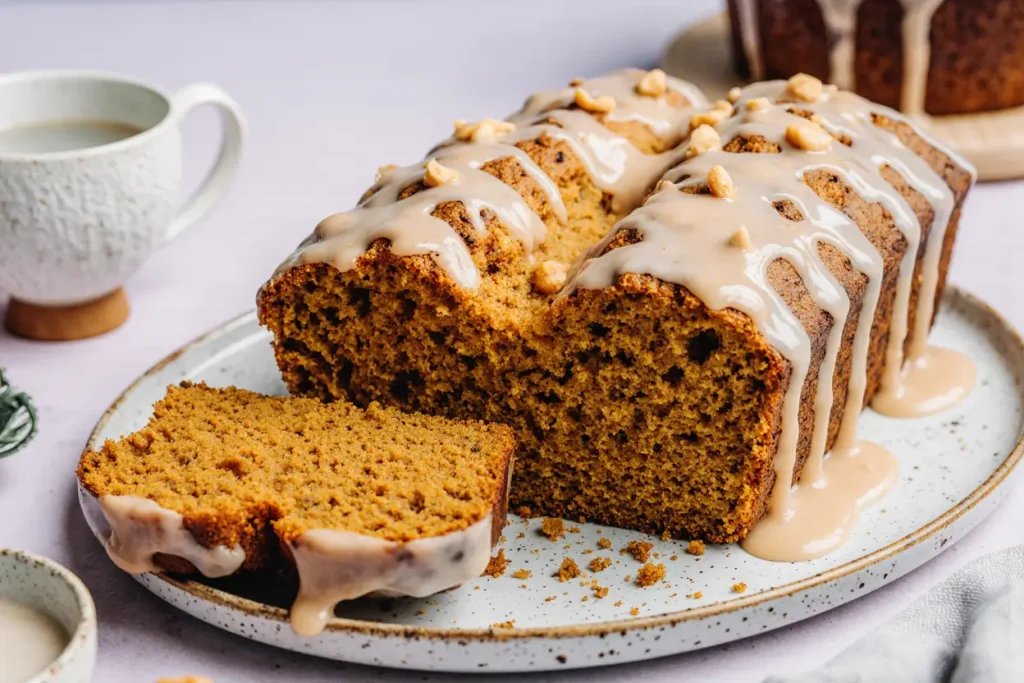
Room Temperature Storage: Wrap the completely cooled loaf tightly in plastic wrap, then aluminum foil to create a double barrier against moisture loss. Store at room temperature for up to 4 days. The bread actually improves over the first 24 hours as the flavors meld and marry.
Refrigerator Storage: For longer keeping (up to 10 days), refrigerate the wrapped loaf. The cold temperature firms up the texture slightly but preserves freshness. Allow slices to come to room temperature or toast them before serving to restore that tender crumb.
Freezer Storage: This bread freezes exceptionally well for up to 3 months. Wrap individual slices in plastic wrap, then place all slices in a freezer-safe bag. This allows you to remove single portions as needed. Alternatively, freeze the whole loaf double-wrapped in plastic and foil. Thaw overnight in the refrigerator or at room temperature for 2-3 hours.
Pre-Slicing Strategy: Slice the entire loaf before freezing if you’ll be using it gradually. Place small pieces of parchment paper between slices to prevent sticking, making it easy to grab one or two slices without thawing the entire loaf.
Refreshing Day-Old Bread: Restore freshness to slices that have dried out by wrapping in a damp paper towel and microwaving for 10-15 seconds. Alternatively, toast slices lightly to revive texture and bring out the spices’ aromatic qualities.
Batter Storage: The batter can be prepared up to 24 hours in advance and stored in the refrigerator in a covered bowl. Bring to room temperature for 30 minutes before baking, or add 5-10 minutes to the baking time if using cold batter.
Conclusion
This Cozy Pumpkin Bread with Brown Butter Bliss represents the perfect intersection of simple technique and sophisticated flavor. The brown butter transforms an everyday quick bread into something extraordinary—a treat that tastes like it came from an artisan bakery but requires no special equipment or advanced skills. With its perfectly spiced crumb, natural pumpkin sweetness, and that irresistible nutty aroma, this recipe will become your go-to throughout autumn and beyond.
The beauty of this bread lies not just in its exceptional taste but in its versatility and reliability. Whether you’re baking for a holiday gathering, meal prepping breakfast for the week, or simply craving the comfort of warm spices and fresh-baked goodness, this recipe delivers consistent, impressive results. The wholesome ingredients, including vitamin-rich pumpkin and nourishing whole eggs, make it a treat you can feel good about serving to family and friends.
Don’t wait for a special occasion to try this recipe—those ordinary Tuesday mornings deserve brown butter bliss too. Bake a loaf this weekend, slice it thick, slather it with butter, and experience firsthand why brown butter elevates everything it touches. Share your results in the comments below, tag us on social media with your beautiful loaves, and let us know what serving suggestions worked best for you. Your feedback helps us create even better recipes for this community of passionate home bakers. For more seasonal baking inspiration, explore our collection of autumn desserts and quick breads that celebrate fall’s finest flavors.
FAQs
Can I use fresh pumpkin instead of canned puree?
Absolutely! Roast sugar pumpkin halves at 375°F until very soft (about 45 minutes), then puree in a food processor. Strain through cheesecloth to remove excess liquid, as fresh pumpkin contains more water than canned. You’ll need about 1 small sugar pumpkin to yield 1 3/4 cups of puree. The flavor will be slightly more delicate than canned.
Why did my bread sink in the middle?
This typically results from one of three issues: overmixing the batter (developing too much gluten), opening the oven door too early causing a temperature drop, or under-baking. Ensure you fold ingredients gently, resist checking before 55 minutes, and bake until fully set in the center.
Can I make this as muffins instead?
Yes! Divide the batter among 16-18 lined muffin cups, filling each about 2/3 full. Bake at 350°F for 20-25 minutes until a toothpick comes out clean. Muffins are perfect for portion control and freeze individually for grab-and-go breakfasts.
How do I know when the brown butter is ready?
Your nose is your best tool—when it smells nutty and toasty like popcorn or hazelnuts, it’s done. Visually, you’ll see brown specks (the caramelized milk solids) at the bottom of the pan, and the butter will be amber colored. This happens quickly once it starts, so watch carefully.
Can I reduce the sugar without affecting texture?
Yes, you can safely reduce total sugar by up to 1/3 cup without significantly impacting texture. The bread will be slightly less moist and have shorter shelf life, but it will still bake properly. Don’t reduce beyond this point, as sugar contributes to moisture retention and crumb tenderness.
What’s the difference between pumpkin puree and pumpkin pie filling?
Pumpkin puree is 100% pumpkin with nothing added—it’s simply cooked and mashed pumpkin. Pumpkin pie filling contains added sugar, spices, and sometimes thickeners or preservatives. Using pie filling will make your bread overly sweet and throw off the spice balance. Always check the ingredient label.
Why is my bread gummy in the center?
Gumminess indicates under-baking. Even if the top looks done, the center may need more time. Always use the toothpick test—it should come out with a few moist crumbs but no wet batter. Oven temperatures vary, so your loaf might need the full 70 minutes or even slightly longer.
Can I add chocolate chips or other mix-ins?
Definitely! Fold in up to 1 cup of chocolate chips, dried cranberries, chopped dates, or additional nuts at the very end of mixing. Toss mix-ins with a tablespoon of flour before adding to prevent them from sinking. White chocolate and dried cranberries make an especially elegant combination.
How can I make this bread dairy-free?
Replace the butter with coconut oil (you can’t brown coconut oil, so skip that step) or use a plant-based butter alternative. Substitute the Greek yogurt with non-dairy yogurt like coconut or almond milk yogurt. The texture will be slightly different but still delicious.
Is it normal for the top to crack?
Yes! A crack down the center is characteristic of quick breads and indicates proper rising. Creating a shallow depression in the batter before baking helps control where the crack forms, making it more aesthetically pleasing, but cracks don’t affect flavor or texture.
Cozy Pumpkin Bread with Brown Butter Bliss