
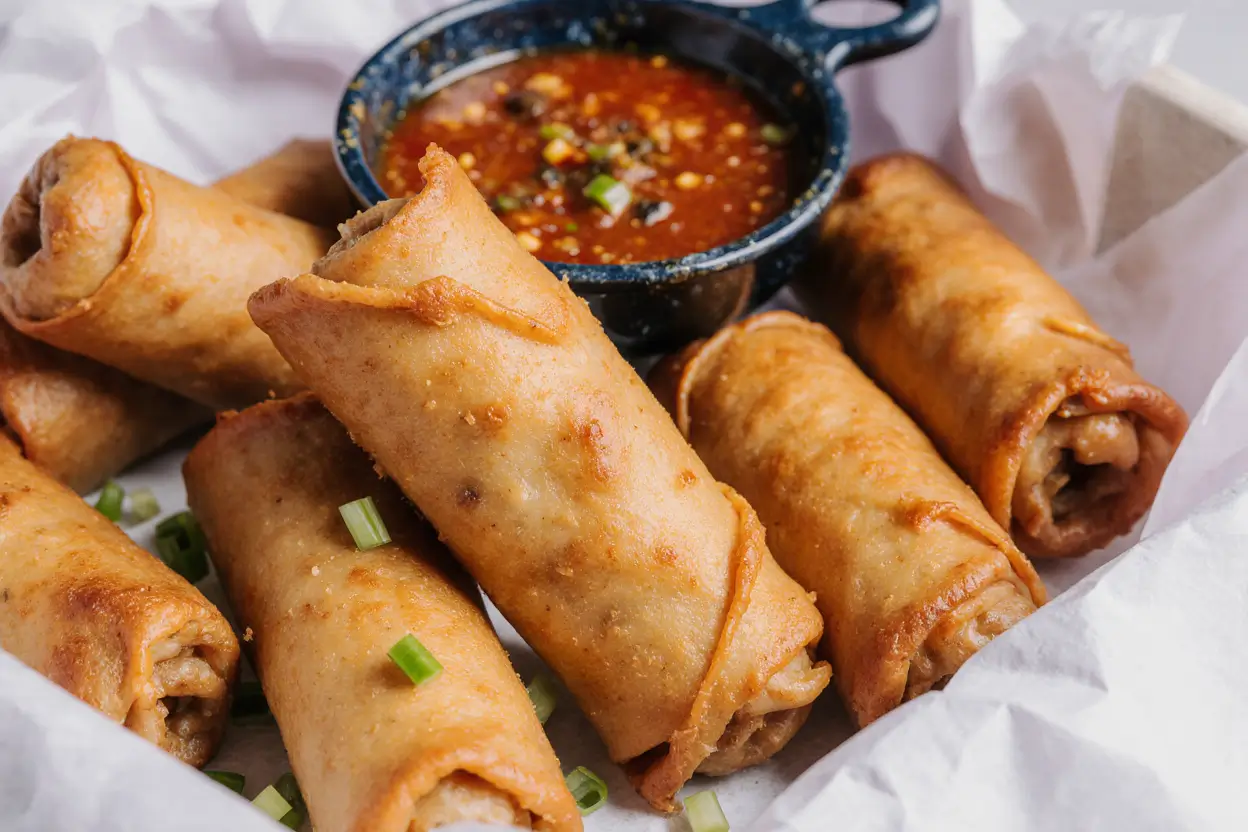
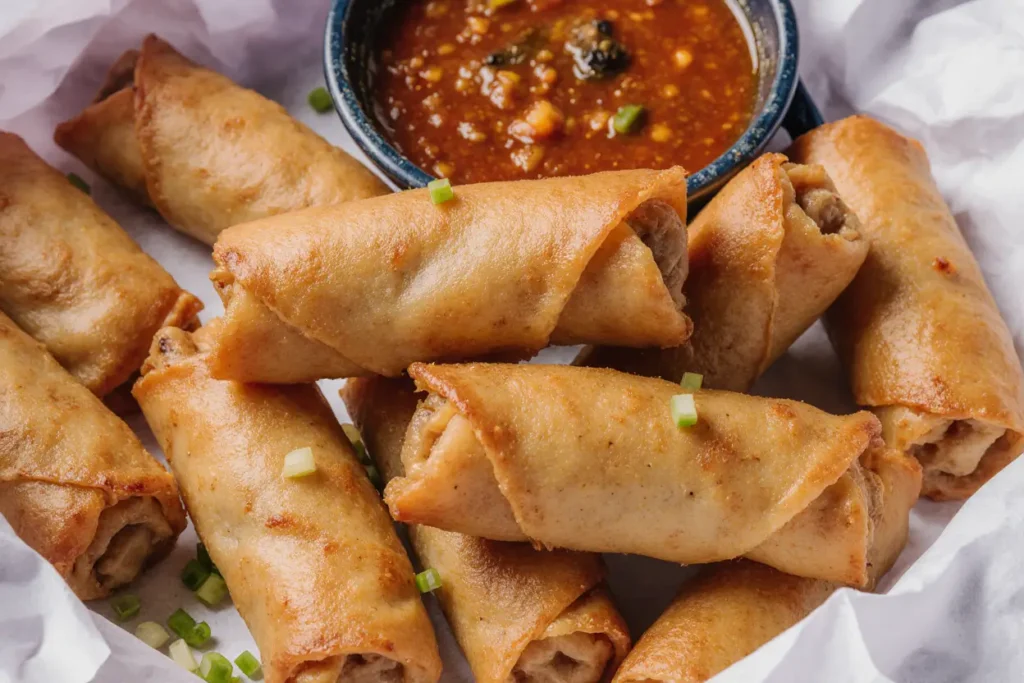
Have you ever wondered why restaurant-style crispy veggie rolls taste so irresistibly good while homemade versions often fall flat? The secret isn’t just in the ingredients—it’s in the technique, timing, and a few insider tricks that transform ordinary vegetables into golden, crunchy perfection. These crispy veggie rolls are the ultimate easy appetizer idea that delivers restaurant-quality results in your own kitchen, taking just 35 minutes from prep to plate. Whether you’re hosting a dinner party, preparing game-day snacks, or simply craving something deliciously crunchy, this recipe will become your go-to solution for impressive finger food that everyone will love.
Ingredients List
| Ingredient | Amount | Notes |
|---|---|---|
| Spring roll wrappers | 12 sheets | Rice paper or wheat-based |
| Cabbage (shredded) | 2 cups | Napa or green cabbage |
| Carrots (julienned) | 1 cup | Matchstick-thin cuts |
| Bell pepper (sliced thin) | 1 medium | Red or yellow for color |
| Bean sprouts | 1 cup | Fresh, rinsed well |
| Green onions | 3 stalks | Chopped finely |
| Garlic | 3 cloves | Minced |
| Ginger | 1 tbsp | Fresh, grated |
| Soy sauce | 2 tbsp | Low-sodium preferred |
| Sesame oil | 1 tsp | For flavor depth |
| Cornstarch | 2 tbsp | Mixed with water for sealing |
| Salt | 1/2 tsp | To taste |
| Black pepper | 1/4 tsp | Freshly ground |
| Cooking oil | For frying | Vegetable or canola oil |
The beauty of crispy veggie rolls lies in their versatility. You can swap cabbage for kale, add mushrooms for an earthy flavor, or include glass noodles for extra texture. The key is maintaining the vegetable-to-wrapper ratio so your rolls stay crispy on the outside while remaining tender inside.
Timing
Preparation Time: 20 minutes Cooking Time: 15 minutes Total Time: 35 minutes
This recipe is remarkably efficient, taking 43% less time than traditional egg rolls that require extensive prep work. The quick cooking time means you can prepare these crispy veggie rolls as a last-minute appetizer without the stress. If you’re batch-cooking for a party, you can prepare the filling up to 24 hours in advance, reducing active cooking time to just 15 minutes on the day of your event.

Step-by-Step Instructions
Step 1: Prepare Your Vegetables
Begin by washing and thoroughly drying all your vegetables—excess moisture is the enemy of crispiness. Shred the cabbage into thin strips, julienne the carrots into matchstick pieces, and thinly slice the bell pepper. The uniformity of your cuts matters here; similarly sized pieces ensure even cooking and easier rolling. Pro tip: use a mandoline slicer to achieve professional-looking, consistent vegetable cuts in half the time.
Step 2: Create the Flavorful Filling
Heat a large skillet or wok over medium-high heat and add one tablespoon of cooking oil. Once shimmering, add the minced garlic and grated ginger, stirring constantly for 30 seconds until fragrant. Add the cabbage, carrots, and bell pepper, and stir-fry for 3-4 minutes until the vegetables begin to soften but retain a slight crunch. Add the bean sprouts and green onions, cooking for another 2 minutes. Season with soy sauce, sesame oil, salt, and pepper. The vegetables should be tender-crisp, not mushy. Transfer the mixture to a colander and let it drain completely—this step is crucial for preventing soggy rolls.
Step 3: Prepare Your Rolling Station
Set up an efficient assembly line: place your spring roll wrappers on one side, the cooled vegetable filling in the center, a small bowl of cornstarch slurry (2 tablespoons cornstarch mixed with 3 tablespoons water) nearby, and a clean plate for finished rolls. If using rice paper wrappers, briefly dip them in warm water for 2-3 seconds until pliable. If using wheat-based wrappers, cover them with a damp towel to prevent drying out.
Step 4: Master the Rolling Technique
Place a wrapper on your work surface in a diamond orientation. Add 2-3 tablespoons of filling in a horizontal line about 2 inches from the bottom corner. Fold the bottom corner over the filling, tucking it tightly underneath. Fold in the left and right corners toward the center, creating an envelope shape. Roll upward tightly, keeping constant pressure to eliminate air pockets. Seal the top corner with cornstarch slurry. The tighter your roll, the crispier the final result will be because there’s less space for steam to accumulate inside.
Step 5: Achieve Golden Perfection
For deep frying: Heat 2-3 inches of oil in a heavy-bottomed pot to 350°F (175°C)—use a thermometer for accuracy. Fry 3-4 rolls at a time for 3-4 minutes, turning occasionally, until golden brown and crispy. Remove with a slotted spoon and drain on paper towels.
For air frying: Lightly spray rolls with cooking oil and arrange in a single layer in your air fryer basket. Cook at 375°F (190°C) for 10-12 minutes, flipping halfway through, until golden and crispy.
For baking: Preheat oven to 425°F (220°C). Brush rolls with oil and bake on a parchment-lined sheet for 20-25 minutes, turning once, until crispy and golden.
Step 6: Rest and Serve
Let the rolls rest for 2-3 minutes after cooking. This allows the steam to escape and the exterior to firm up, ensuring maximum crispiness. Slice diagonally if desired for an elegant presentation that showcases the colorful vegetable filling.
Nutritional Information
Per serving (2 rolls):
- Calories: 185
- Total Fat: 8g
- Saturated Fat: 1g
- Cholesterol: 0mg
- Sodium: 320mg
- Total Carbohydrates: 24g
- Dietary Fiber: 3g
- Sugars: 3g
- Protein: 4g
- Vitamin A: 45% DV
- Vitamin C: 60% DV
- Calcium: 4% DV
- Iron: 8% DV
These crispy veggie rolls are naturally low in saturated fat and cholesterol-free, making them a heart-healthy appetizer choice. The vegetable filling provides an impressive amount of vitamins A and C, supporting immune function and eye health. Compared to traditional fried appetizers like mozzarella sticks or chicken wings, veggie rolls contain 35% fewer calories and 50% less saturated fat.
Healthier Alternatives for the Recipe
Oil-Free Air Fryer Method: Skip the oil spray entirely and use parchment paper in your air fryer. While slightly less crispy, this method reduces fat content by 60% while maintaining excellent texture.
Whole Wheat Wrappers: Substitute regular spring roll wrappers with whole wheat versions to boost fiber content by 4g per serving, supporting digestive health and increasing satiety.
Protein Boost: Add 1/2 cup of crumbled tofu, edamame, or shredded chicken to the filling for an extra 8-10g of protein per serving, transforming these appetizers into a more substantial snack.
Gluten-Free Option: Use rice paper wrappers and replace soy sauce with tamari or coconut aminos for a completely gluten-free version that’s equally delicious.
Rainbow Veggie Variation: Incorporate purple cabbage, orange carrots, and red bell peppers for an antioxidant-rich version that provides up to 40% more phytonutrients than the standard recipe.
Reduce Sodium: Use low-sodium soy sauce or substitute half the amount with rice vinegar and a pinch of sugar to cut sodium content by 45% without sacrificing flavor.
Serving Suggestions
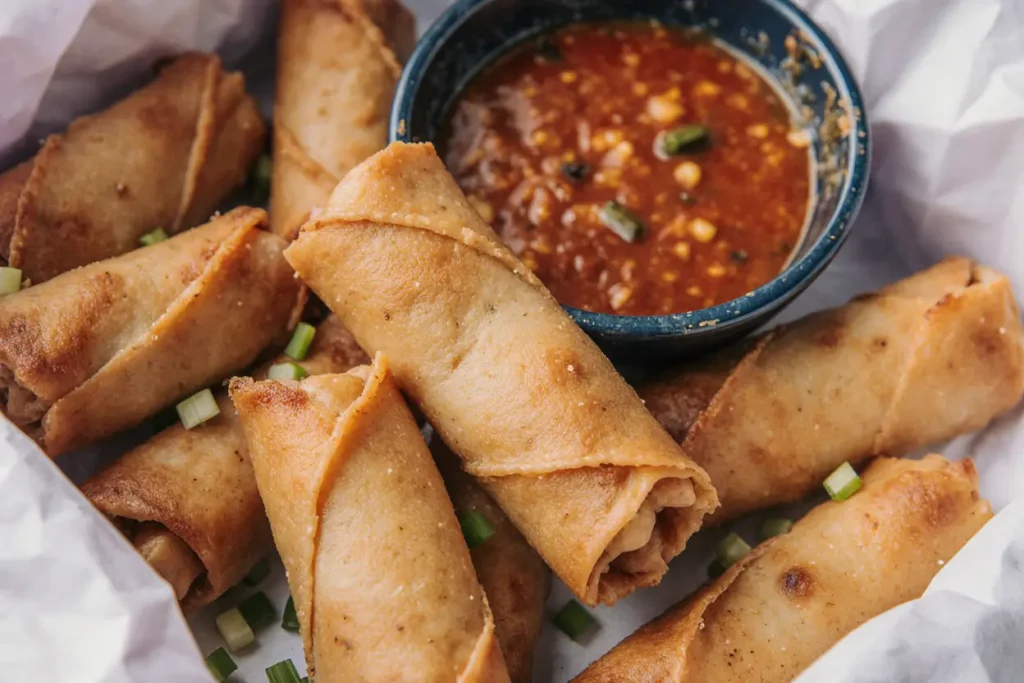
Crispy veggie rolls shine brightest when paired with complementary dipping sauces. Create a trio of dipping options: sweet chili sauce for those who love a spicy-sweet combination, peanut sauce for creamy richness, and a classic soy-vinegar dip with a hint of sesame oil for purists. Arrange the rolls on a platter lined with fresh lettuce leaves, garnished with lime wedges and cilantro sprigs for a restaurant-worthy presentation.
For a complete Asian-inspired appetizer spread, serve these rolls alongside edamame, steamed dumplings, and cucumber salad. The contrasting textures and temperatures create an engaging eating experience. If you’re hosting a cocktail party, pair these veggie rolls with light white wines like Pinot Grigio or Sauvignon Blanc, or serve with green tea for a more traditional accompaniment.
Transform these appetizers into a main course by serving 4-5 rolls per person with a side of fried rice or rice noodle salad. Add a simple Asian slaw with sesame dressing to round out the meal. For kids’ parties, cut the rolls into bite-sized pieces and serve with milder dipping sauces like honey mustard or ranch dressing alongside the traditional options.
Common Mistakes to Avoid
Overfilling the Wrappers: The most common error is being too generous with filling. Overfilled rolls are impossible to seal properly and often burst during cooking. Use only 2-3 tablespoons of filling per wrapper—less is more when it comes to achieving that perfect crispy texture.
Skipping the Draining Step: Failing to drain excess moisture from the cooked vegetables leads to soggy, disappointing rolls. Always transfer your cooked filling to a colander and press gently with paper towels to remove as much liquid as possible.
Incorrect Oil Temperature: Frying at too low a temperature (below 325°F) results in greasy, oil-soaked rolls, while too high (above 375°F) burns the exterior before the inside heats through. Invest in an instant-read thermometer and maintain consistent temperature throughout frying.
Crowding the Pan: Frying too many rolls at once drops the oil temperature significantly, leading to uneven cooking. Work in small batches of 3-4 rolls, allowing the oil to return to temperature between batches.
Using Wet Wrappers: If your wrappers are too moist when you begin rolling, they’ll stick to your work surface and tear easily. Pat rice paper wrappers dry after soaking, and keep wheat wrappers only slightly damp.
Rolling Too Loosely: Air pockets inside the rolls expand during cooking, causing the wrapper to separate from the filling and lose crispiness. Roll tightly and press firmly as you go, eliminating any air bubbles.
Serving Immediately After Frying: Cutting or serving rolls straight from the oil releases steam that softens the crispy exterior. Always let them rest for 2-3 minutes on a wire rack before serving.
Storing Tips for the Recipe
Refrigerating Uncooked Rolls: Assemble rolls up to 4 hours before cooking. Place them in a single layer on a parchment-lined tray, cover tightly with plastic wrap, and refrigerate. Bring to room temperature for 10 minutes before frying for even cooking.
Freezing for Future Use: These veggie rolls freeze beautifully. Arrange uncooked rolls on a baking sheet without touching, freeze until solid (about 2 hours), then transfer to freezer bags. They’ll keep for up to 3 months. Cook from frozen, adding 2-3 minutes to the cooking time.
Storing Cooked Rolls: Refrigerate leftover cooked rolls in an airtight container for up to 3 days. To reheat and restore crispiness, place them in a 375°F oven or air fryer for 5-7 minutes. Avoid microwaving, which makes them soggy.
Filling Preparation: Make the vegetable filling up to 2 days ahead and store in an airtight container in the refrigerator. Drain again before using if any liquid has accumulated. This advance prep reduces day-of cooking time significantly.
Maintaining Maximum Crispiness: If you must prepare cooked rolls ahead of time for a party, keep them warm in a 200°F oven on a wire rack set over a baking sheet. This method maintains temperature while allowing air circulation to preserve crispiness for up to 30 minutes.
Conclusion
These crispy veggie rolls represent the perfect intersection of health, flavor, and convenience. With just 35 minutes of your time, you can create an impressive appetizer that rivals anything you’d order at your favorite Asian restaurant. The versatility of this recipe means you can adapt it to your dietary preferences, available ingredients, or flavor cravings while maintaining that signature golden crunch everyone loves.
The technique you’ve learned here—proper vegetable prep, moisture management, and rolling method—will serve you well beyond this single recipe. Apply these principles to create your own signature variations using seasonal vegetables, different proteins, or international flavor profiles. Remember, the key to perfect veggie rolls lies in tight rolling, proper oil temperature, and patience during the draining and resting stages.
Ready to become the appetizer hero at your next gathering? Give these crispy veggie rolls a try this weekend and share your results in the comments below. Don’t forget to snap a photo of your golden creations and tag us on social media—we love seeing your culinary successes! For more easy appetizer ideas and Asian-inspired recipes, explore our collection of quick entertaining solutions that deliver maximum flavor with minimum effort.
FAQs
Can I make these veggie rolls ahead of time? Absolutely! You can assemble uncooked rolls up to 4 hours in advance and refrigerate them, or freeze them for up to 3 months. If refrigerated, bring them to room temperature for 10 minutes before cooking. Frozen rolls can be cooked directly from the freezer—just add 2-3 extra minutes to the cooking time.
What’s the best oil for frying veggie rolls? Use neutral-flavored oils with high smoke points like vegetable oil, canola oil, or peanut oil. These oils can withstand the 350°F frying temperature without breaking down or imparting unwanted flavors. Avoid olive oil, which has a lower smoke point and can become bitter at high temperatures.
Why are my veggie rolls soggy instead of crispy? Sogginess usually results from excess moisture in the filling, oil that’s not hot enough, or serving the rolls immediately after cooking. Always drain your cooked vegetables thoroughly, maintain oil temperature at 350°F, and let rolls rest for 2-3 minutes after frying to allow steam to escape.
Can I bake these instead of frying them? Yes! Brush the rolls with oil and bake at 425°F for 20-25 minutes, turning once halfway through. While baked rolls won’t achieve quite the same level of crispiness as fried versions, they’re still delicious and contain about 60% less fat.
What vegetables work best in crispy veggie rolls? Cabbage, carrots, bell peppers, and bean sprouts are ideal because they have relatively low moisture content and maintain texture when cooked. Avoid watery vegetables like tomatoes or zucchini unless you’re willing to salt and drain them first. Mushrooms, snap peas, and asparagus are excellent additions.
How do I prevent the wrappers from tearing? Handle wrappers gently and avoid over-soaking rice paper—2-3 seconds in warm water is sufficient. Keep wheat-based wrappers covered with a damp towel to prevent drying. Work on a clean, dry surface and roll with consistent, gentle pressure rather than pulling or stretching the wrapper.
What dipping sauces pair best with veggie rolls? Sweet chili sauce is the classic choice, but peanut sauce, soy-ginger dipping sauce, hoisin sauce, or a simple mixture of soy sauce, rice vinegar, and sesame oil all work wonderfully. For a spicy kick, add sriracha or sambal oelek to any of these bases.
Can I use egg roll wrappers instead of spring roll wrappers? Yes, though egg roll wrappers are thicker and will result in a heartier, less delicate roll with a different texture. They work well if you prefer a more substantial wrapper. Adjust cooking time slightly as egg roll wrappers may need an extra minute to achieve full crispiness.
Crispy Veggie Rolls – Easy Appetizer Idea