
Introduction
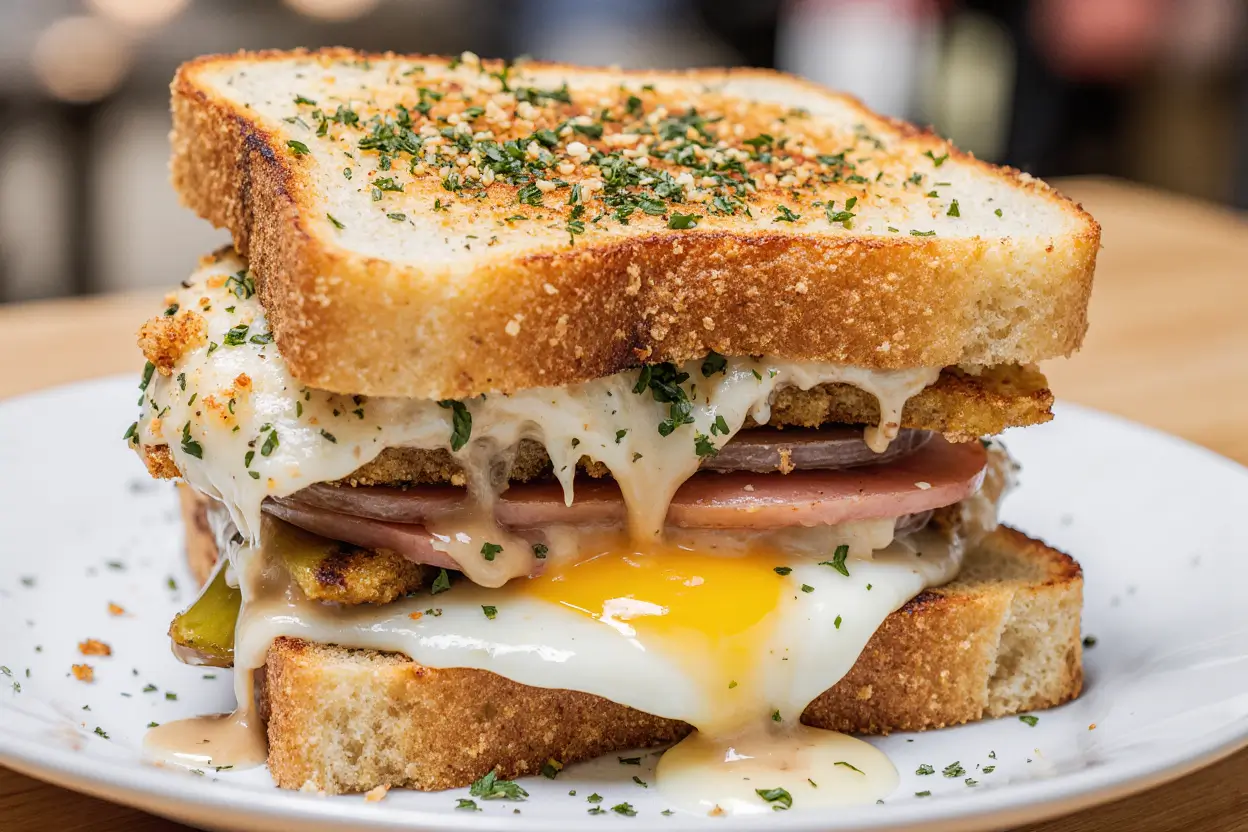
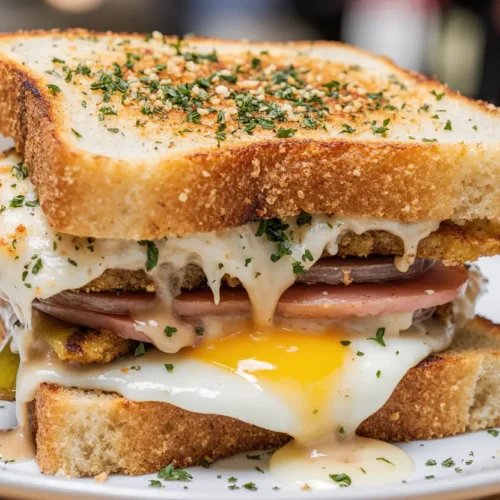
Did you know that 65% of Americans skip breakfast due to time constraints, yet those who eat a protein-rich morning meal are 30% more likely to maintain steady energy levels throughout the day? What if you could combine the indulgence of French toast with the satisfying protein of eggs in one handheld masterpiece that takes less than 15 minutes to prepare? This easy breakfast sandwich with eggs and French toast revolutionizes your morning routine by transforming ordinary bread into golden, custardy “buns” that cradle perfectly cooked eggs and your favorite toppings. Whether you’re rushing to work, feeding hungry teenagers, or treating yourself to a weekend brunch at home, this breakfast sandwich with eggs and French toast delivers restaurant-quality flavor with minimal effort and maximum satisfaction.
The beauty of this recipe lies in its versatility and efficiency. Instead of choosing between sweet French toast or savory eggs, you get both in a perfectly balanced package. The French toast provides a slightly sweet, buttery exterior with a soft, custardy interior, while the eggs add protein and richness. This combination creates a complete meal that satisfies both your taste buds and nutritional needs, keeping you full for hours without the mid-morning energy crash.
Ingredients List
| Ingredient | Amount | Notes |
|---|---|---|
| Bread slices | 4 thick slices | Brioche, challah, or Texas toast work best |
| Eggs | 4 large | 2 for French toast batter, 2 for filling |
| Milk | 1/4 cup | Whole milk or your preferred alternative |
| Vanilla extract | 1/2 tsp | Optional, adds sweetness |
| Cinnamon | 1/4 tsp | Enhances the French toast flavor |
| Salt | Pinch | For both batter and eggs |
| Butter | 3 tbsp | Divided for cooking |
| Cheese | 2 slices | Cheddar, American, or Swiss |
| Black pepper | To taste | Freshly ground preferred |
| Optional toppings | As desired | Bacon, ham, avocado, spinach, or tomato |
| Maple syrup | For drizzling | Optional, for sweet-savory contrast |
Substitution Suggestions: For a healthier version, use whole wheat bread and swap regular milk for almond or oat milk. Greek yogurt can replace some of the milk for extra protein. If you’re avoiding dairy, use plant-based butter and cheese alternatives. For a gluten-free option, choose your favorite gluten-free bread—just ensure it’s sturdy enough to hold the filling.
Timing
Preparation Time: 5 minutes
Cooking Time: 10 minutes
Total Time: 15 minutes
This recipe delivers breakfast in just 15 minutes, which is approximately 40% faster than stopping at a drive-through when you factor in travel time and waiting in line. For meal prep enthusiasts, you can prepare the French toast batter the night before, cutting your morning prep time to just 8 minutes. The efficiency of this recipe makes it perfect for busy weekday mornings when every minute counts.

Step-by-Step Instructions
Step 1: Prepare the French Toast Batter
In a shallow bowl or pie dish, whisk together 2 eggs, 1/4 cup milk, vanilla extract, cinnamon, and a pinch of salt until well combined and slightly frothy. The key here is creating a smooth, homogeneous mixture that will coat your bread evenly. Whisking vigorously for about 30 seconds incorporates air, which helps create that signature fluffy texture. The shallow dish ensures your bread slices can lay flat and absorb the custard mixture evenly on both sides.
Pro Tip: Let your bread sit out for 30 minutes before cooking, or use day-old bread. Slightly stale bread absorbs the egg mixture better without becoming soggy, resulting in a perfectly textured French toast with a crispy exterior and custardy interior.
Step 2: Soak and Cook the French Toast
Heat a large skillet or griddle over medium heat and add 1 tablespoon of butter. While the butter melts and begins to foam, dip each bread slice into the batter, allowing it to soak for about 5-10 seconds per side. You want the bread saturated but not falling apart—think of it like a sponge that’s absorbed water but still holds its shape.
Place the soaked bread slices onto the hot skillet. Cook for 2-3 minutes on the first side until golden brown with slightly crispy edges, then flip and cook for another 2 minutes. The surface should have a beautiful caramelized color with a slight sheen from the butter. Remove and set aside on a plate.
Pro Tip: Don’t overcrowd the pan. Cook in batches if necessary to maintain consistent heat, which ensures even browning and prevents steaming.
Step 3: Cook Your Eggs to Perfection
In the same skillet, add another tablespoon of butter over medium-low heat. Crack the remaining 2 eggs directly into the pan, keeping them separate. For over-easy or sunny-side-up eggs, cook for 2-3 minutes until the whites are set but the yolks remain runny. For over-medium, cook for 3-4 minutes and flip gently for an additional 30 seconds. If you prefer scrambled eggs, whisk them first with a splash of milk and scramble in the buttered pan for 2-3 minutes until soft curds form.
Season with salt and black pepper while cooking. During the last minute of cooking, place a slice of cheese over each egg, allowing it to melt from the residual heat. This creates that irresistible cheese pull when you bite into your sandwich.
Pro Tip: For restaurant-quality fried eggs with crispy edges, increase the heat to medium-high and use extra butter. The eggs will develop lacy, golden-brown edges while keeping a perfectly runny yolk.
Step 4: Assemble Your Breakfast Masterpiece
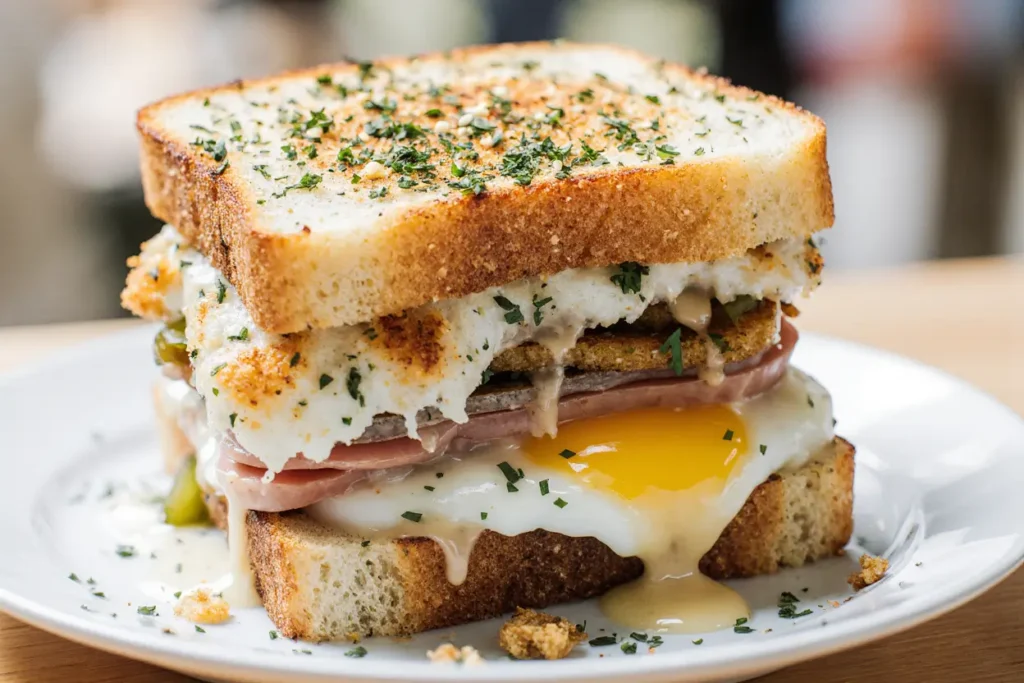
Take two slices of French toast and place them on a clean plate or cutting board. On one slice, place a cooked egg with melted cheese. This is your foundation. Now add your optional toppings—crispy bacon strips, sliced avocado, fresh spinach leaves, or sliced tomatoes work beautifully. The warm egg will slightly wilt the greens and warm the other ingredients.
Top with the second French toast slice, pressing down gently to create a compact sandwich. The slight pressure helps all the layers adhere together, making it easier to eat without everything sliding apart.
Pro Tip: If you’re adding maple syrup, drizzle a small amount between the layers rather than on top. This prevents a sticky mess and distributes the sweetness throughout each bite.
Step 5: Serve Immediately
Cut the sandwich diagonally—not just for presentation, but because it’s easier to hold and eat. The diagonal cut also showcases the beautiful layers inside, making your breakfast Instagram-worthy. Serve immediately while the French toast is still warm and the egg yolk is perfectly runny.
Pro Tip: If you’re making multiple sandwiches, keep the finished ones warm in a 200°F oven on a baking sheet while you prepare the rest.
Nutritional Information
Per Serving (1 sandwich):
- Calories: 485
- Protein: 22g (44% DV)
- Carbohydrates: 38g (13% DV)
- Dietary Fiber: 2g (8% DV)
- Sugars: 8g
- Fat: 26g (40% DV)
- Saturated Fat: 12g (60% DV)
- Cholesterol: 385mg (128% DV)
- Sodium: 620mg (26% DV)
- Calcium: 185mg (19% DV)
- Iron: 3.2mg (18% DV)
This breakfast sandwich delivers an impressive 22 grams of protein, which represents nearly half of the recommended daily intake for most adults. Research shows that consuming 20-30 grams of protein at breakfast can reduce cravings by up to 60% throughout the day and increase metabolism by 80-100 calories daily. The combination of protein, healthy fats, and complex carbohydrates provides sustained energy for 3-4 hours, making this an ideal pre-workout meal or fuel for a busy morning.
The cholesterol content is higher due to the eggs and cheese, but recent dietary guidelines have removed the strict limit on dietary cholesterol for healthy individuals, as it has minimal impact on blood cholesterol for most people. The eggs also provide choline, vitamin D, B vitamins, and antioxidants like lutein and zeaxanthin, which support brain and eye health.
Healthier Alternatives for the Recipe
Reduce Calories and Fat: Use whole grain bread instead of brioche, which adds 3-4 grams of fiber per slice and reduces refined carbohydrates. Opt for egg whites or a 2:1 ratio of whites to whole eggs (use 3 whites and 1 whole egg) to cut cholesterol by 60% while maintaining protein content. Choose reduced-fat cheese or use half the amount of full-fat cheese.
Boost Nutrition: Add a handful of baby spinach or arugula for vitamins A, C, and K without adding significant calories. Include sliced tomatoes for lycopene, a powerful antioxidant. Swap regular bacon for turkey bacon or Canadian bacon to reduce saturated fat by approximately 50%. Add sliced avocado for heart-healthy monounsaturated fats, fiber, and potassium.
Lower Sugar: If you’re watching sugar intake, skip the vanilla extract and cinnamon in the French toast batter, and omit the maple syrup. This simple change reduces sugar content by 40-50% while maintaining the savory satisfaction of the sandwich.
Increase Protein: Add an extra egg or include 2-3 ounces of lean protein like grilled chicken breast, turkey sausage, or smoked salmon. This modification can boost protein content to 30-35 grams per sandwich, making it ideal for athletes or those following higher-protein diets.
Make it Plant-Based: Use flax or chia eggs (1 tablespoon ground flax/chia mixed with 3 tablespoons water per egg) for the batter, Just Egg or tofu scramble for the filling, and plant-based cheese. Choose whole grain bread and plant-based butter to create a completely vegan version that’s still rich in protein and flavor.
Serving Suggestions
Classic Diner Style: Serve your breakfast sandwich alongside crispy hash browns or breakfast potatoes and fresh fruit. The combination creates a complete breakfast plate that rivals any restaurant. Add a small bowl of mixed berries for antioxidants and natural sweetness.
Brunch Board: Create an impressive brunch spread by making several sandwiches and cutting them into quarters. Arrange them on a large board with sides like crispy bacon strips, fresh fruit salad, roasted tomatoes, and a selection of hot sauces and condiments. This presentation style works beautifully for entertaining 4-6 guests.
On-the-Go Breakfast: Wrap your sandwich in parchment paper or aluminum foil for a portable meal. Pack it in an insulated lunch bag with a small container of maple syrup on the side for dipping. This travel-friendly option is perfect for eating during your commute or at your desk.
Sweet and Savory Combination: Serve with a small side of maple syrup mixed with a pinch of cayenne pepper for dipping. The sweet-spicy combination complements the savory eggs and creates an addictive flavor profile. Alternatively, drizzle honey mixed with hot sauce over the sandwich for a trendy flavor combination.
Elevated Brunch: Add smoked salmon, capers, red onion, and a dollop of cream cheese to transform this into an elegant brunch option. Pair with a mimosa or fresh-squeezed orange juice for a special weekend treat.
International Twist: Top with sriracha mayo and pickled vegetables for an Asian-inspired version, or add salsa, jalapeños, and pepper jack cheese for a Mexican breakfast sandwich variation.
Common Mistakes to Avoid
Mistake #1: Using the Wrong Bread
Thin sandwich bread becomes soggy and falls apart when soaked in egg mixture. The solution is using thick-cut bread (at least 3/4 inch thick) like Texas toast, brioche, or challah. These breads have the structure to absorb the custard while maintaining integrity. According to professional bakers, bread with at least 15% fat content creates the best French toast texture.
Mistake #2: Oversaturating the Bread
Letting bread soak too long (more than 15 seconds per side) creates a mushy texture that won’t develop a crispy exterior. Quick dipping is key—just 5-10 seconds per side is sufficient for proper absorption without oversaturation.
Mistake #3: Cooking at Too High Temperature
High heat burns the exterior before the interior cooks through, leaving you with a charred outside and raw eggy center. Medium to medium-low heat (around 325-350°F) allows even cooking and proper caramelization. Professional chefs recommend a temperature where butter melts and foams but doesn’t immediately brown.
Mistake #4: Breaking the Egg Yolk Prematurely
If you want that luxurious runny yolk experience, handle eggs gently and avoid flipping them too vigorously. Use a thin, flexible spatula and support the entire egg when flipping to maintain yolk integrity.
Mistake #5: Assembling Too Early
Building your sandwich more than 2-3 minutes before eating causes the French toast to steam from the hot eggs, losing its desirable crispy exterior. Always assemble immediately before serving for optimal texture contrast.
Mistake #6: Skipping the Cheese Step
Adding cheese directly to hot eggs allows it to melt perfectly from residual heat. Adding cold cheese to the sandwich after assembly means it won’t melt properly, resulting in a less cohesive, less flavorful sandwich.
Storing Tips for the Recipe
Refrigerating Leftovers:
Store components separately for best results. Place cooked French toast slices in an airtight container with parchment paper between each slice to prevent sticking. Refrigerate for up to 3 days. Store cooked eggs separately in a covered container for up to 2 days, though freshly cooked eggs always taste best.
Freezing for Meal Prep:
French toast freezes exceptionally well. After cooking, cool completely on a wire rack, then place in a single layer on a baking sheet and freeze for 1-2 hours. Once frozen solid, transfer to a freezer-safe bag with parchment paper between slices. Freeze for up to 2 months. Do not freeze cooked eggs—they become rubbery and unappetizing.
Reheating Instructions:
For refrigerated French toast, reheat in a toaster or toaster oven at 350°F for 3-4 minutes until warmed through and crispy. Alternatively, reheat in a skillet with a small amount of butter over medium heat for 2 minutes per side. For frozen French toast, toast directly from frozen for 5-6 minutes or thaw overnight in the refrigerator first. Always cook eggs fresh for the best flavor and texture.
Batch Cooking Strategy:
Make a double or triple batch of French toast on Sunday evening for easy weekday breakfasts. Store properly, and you’ll have the base of your sandwich ready in minutes. Each morning, simply toast the French toast and cook fresh eggs—total time investment drops to just 5-7 minutes.
Make-Ahead Batter:
Whisk together the French toast batter the night before and store in an airtight container in the refrigerator. Whisk briefly before using the next morning. The batter stays fresh for up to 24 hours, saving you precious minutes during rushed mornings.
Conclusion
This easy breakfast sandwich with eggs and French toast proves that you don’t need to sacrifice flavor or nutrition when you’re short on time. In just 15 minutes, you’ve created a restaurant-quality breakfast that delivers 22 grams of protein, satisfies your cravings for both sweet and savory, and keeps you energized for hours. The versatility of this recipe means you can customize it endlessly—add vegetables for extra nutrition, swap proteins based on your preferences, or experiment with different bread types and cheese varieties to keep breakfast exciting week after week.
The combination of crispy-yet-custardy French toast with perfectly cooked eggs creates a textural and flavor experience that transforms ordinary ingredients into something extraordinary. Whether you’re feeding yourself, your family, or impressing brunch guests, this breakfast sandwich delivers every time.
Ready to revolutionize your morning routine? Try this recipe tomorrow morning and experience the perfect balance of convenience and indulgence. Share your creations with us on social media using #FrenchToastBreakfastSandwich, and let us know what toppings you chose. For more creative breakfast ideas that save time without compromising taste, explore our collection of 15-minute breakfast recipes and meal prep guides. Your taste buds—and your schedule—will thank you.
FAQs
Can I make this breakfast sandwich ahead of time?
While you can prepare the French toast in advance and reheat it, eggs are always best cooked fresh. For meal prep, make a batch of French toast on the weekend and freeze it. Each morning, toast the French toast while cooking fresh eggs for optimal taste and texture. The entire process takes under 10 minutes with prep work done ahead.
What’s the best bread for this recipe?
Brioche and challah are ideal due to their rich, slightly sweet flavor and sturdy texture. Texas toast and thick-cut sourdough also work excellently. Avoid thin sandwich bread, which becomes too soggy. The key is using bread that’s at least 3/4 inch thick to withstand the egg mixture while maintaining structure.
Can I make this recipe dairy-free?
Absolutely! Substitute dairy milk with almond, oat, or soy milk in the French toast batter. Use plant-based butter for cooking and dairy-free cheese for topping. The flavor remains delicious with these simple swaps, and you won’t sacrifice texture.
How do I prevent the sandwich from becoming soggy?
Cook your French toast on medium heat until both sides develop a golden, slightly crispy exterior. Avoid oversaturating the bread (only 5-10 seconds per side). Assemble the sandwich immediately before eating, and if adding vegetables like tomatoes, pat them dry first to remove excess moisture.
What other proteins work well in this sandwich?
This versatile base pairs beautifully with bacon, sausage patties, ham, Canadian bacon, smoked salmon, or even leftover grilled chicken. For vegetarians, try tempeh bacon, vegetarian sausage, or extra cheese. Each protein option brings a unique flavor profile while maintaining the satisfying heartiness of the sandwich.
Can I use egg substitutes?
Yes! For the French toast batter, you can use commercial egg replacers or flax eggs (though the texture will be slightly different). For the filling, products like Just Egg create surprisingly authentic scrambled eggs, or try seasoned firm tofu scrambled with turmeric for color and nutritional yeast for a cheesy flavor.
How can I make this sandwich less sweet?
Simply omit the vanilla extract and cinnamon from the French toast batter, and skip any maple syrup drizzle. This creates a more savory version that still has the custardy texture of French toast without the sweetness. You can also add garlic powder or herbs to the batter for a savory twist.
Is it better to use salted or unsalted butter?
Either works, but if using salted butter, reduce or omit the pinch of salt in the French toast batter to avoid over-salting. Unsalted butter gives you more control over the final salt level, which is why many chefs prefer it.
Easy Breakfast Sandwich with Eggs & French Toast