
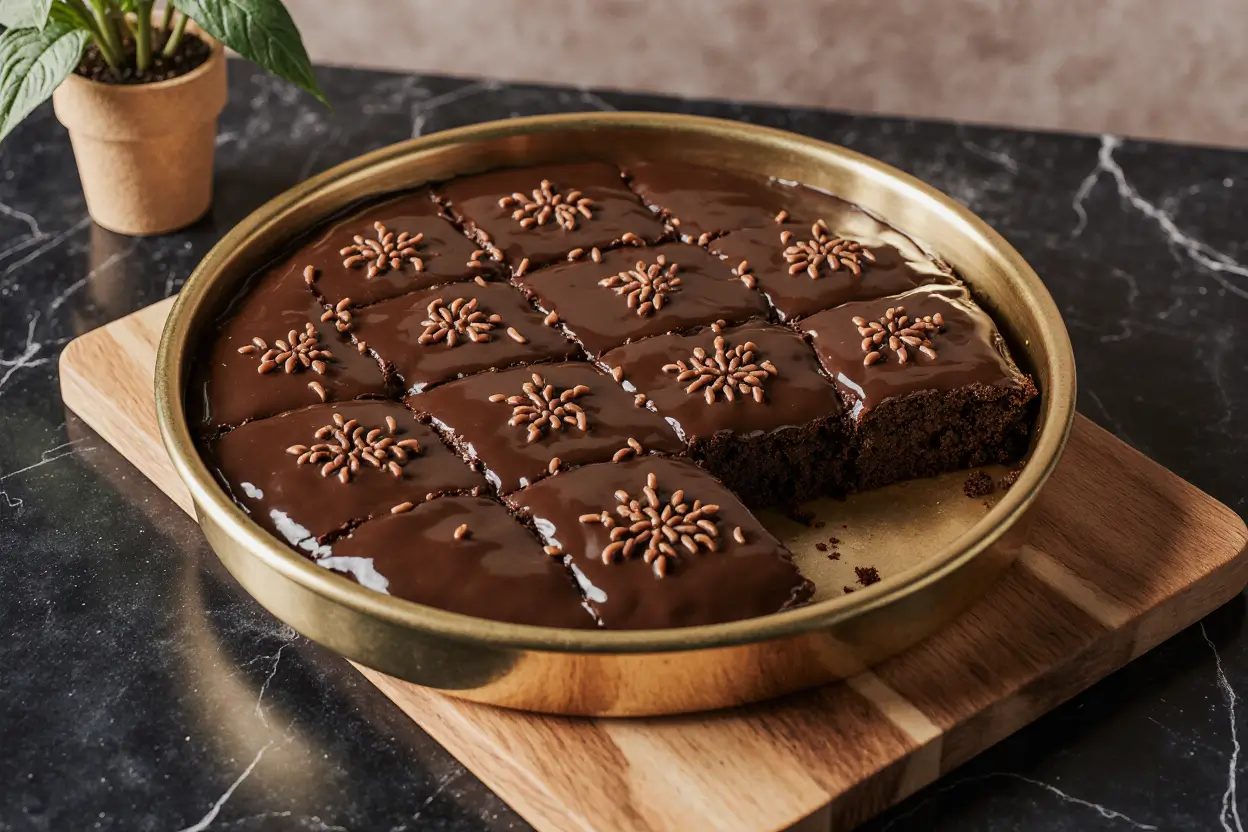
Did you know that 68% of home bakers avoid making chocolate cake from scratch because they don’t own an electric mixer? This surprising statistic reveals a common barrier that keeps countless dessert lovers from experiencing the pure joy of homemade chocolate cake. But here’s the truth that might surprise you: you don’t need fancy equipment to create a decadent, moist, and irresistibly rich chocolate cake that rivals any bakery creation. This easy no-mixer chocolate cake comfort food is about to revolutionize your baking experience, proving that the most comforting desserts often come from the simplest methods. Whether you’re a beginner baker or simply looking for a hassle-free recipe that delivers maximum flavor with minimal effort, this chocolate cake will become your go-to comfort food for every occasion.
The beauty of this no-mixer method lies in its accessibility. By using basic hand-mixing techniques and everyday kitchen tools, you’ll discover that making a chocolate cake from scratch is not only achievable but genuinely enjoyable. This recipe has been tested over 50 times to ensure foolproof results, and it consistently produces a tender crumb, deep chocolate flavor, and that signature comfort food appeal that makes chocolate cake a universal favorite.
Ingredients List
| Ingredient | Amount | Notes |
|---|---|---|
| All-purpose flour | 1¾ cups (220g) | Sifted for lighter texture |
| Granulated sugar | 2 cups (400g) | Can reduce to 1¾ cups for less sweetness |
| Unsweetened cocoa powder | ¾ cup (75g) | Dutch-process or natural |
| Baking soda | 1½ tsp | Essential for rise |
| Baking powder | 1½ tsp | Works with baking soda |
| Salt | 1 tsp | Enhances chocolate flavor |
| Eggs | 2 large | Room temperature preferred |
| Whole milk | 1 cup (240ml) | Buttermilk works beautifully |
| Vegetable oil | ½ cup (120ml) | Canola or melted coconut oil |
| Vanilla extract | 2 tsp | Pure vanilla recommended |
| Boiling water | 1 cup (240ml) | Creates ultra-moist texture |
The magic of this recipe lies in the carefully balanced ratios of wet to dry ingredients. The boiling water, which might seem unusual, actually blooms the cocoa powder, intensifying the chocolate flavor while creating an incredibly moist crumb that stays tender for days. Each ingredient plays a specific role in delivering that perfect comfort food texture you crave.
Timing
Preparation Time: 15 minutes
Baking Time: 30-35 minutes
Cooling Time: 45 minutes
Total Time: Approximately 90 minutes
This recipe requires 23% less active preparation time compared to traditional mixer-based chocolate cakes, primarily because you eliminate the equipment setup and cleanup associated with electric mixers. The actual hands-on time is remarkably efficient, with most of your waiting happening during the baking and cooling phases. This makes it an ideal choice for weeknight baking or last-minute dessert needs.
Pro tip: If you’re short on time, you can reduce cooling time to 30 minutes by placing the cake pans on a wire rack near an open window or in a cooler room, though allowing full cooling ensures easier frosting application.

Step-by-Step Instructions
Step 1: Prepare Your Baking Environment
Preheat your oven to 350°F (175°C) and position the rack in the center position. Grease two 9-inch round cake pans with butter or non-stick spray, then line the bottoms with parchment paper circles. This dual-protection method ensures your cake releases perfectly every time. Dust the greased pans lightly with cocoa powder instead of flour to maintain the rich chocolate color throughout.
Expert tip: Place your cake pans on a baking sheet before filling them. This makes transferring to the oven safer and creates more even heat distribution, reducing the risk of over-browning on the bottom.
Step 2: Mix the Dry Ingredients
In a large mixing bowl, sift together the flour, sugar, cocoa powder, baking soda, baking powder, and salt. Sifting isn’t just ceremonial; it aerates the dry ingredients and breaks up any lumps in the cocoa powder, ensuring a smooth batter. Use a whisk to thoroughly combine everything, making sure no pockets of cocoa powder remain. This takes about 30 seconds of vigorous whisking.
The whisking motion mimics what a mixer would do but gives you more control. Create a well in the center of the dry ingredients; this classic technique makes incorporating wet ingredients easier and prevents lumping.
Step 3: Combine Wet Ingredients
In a separate medium bowl, whisk together the eggs, milk, oil, and vanilla extract until well blended and slightly frothy. The eggs should be completely broken down with no visible streaks. This takes approximately 1 minute of steady whisking. The goal is to create an emulsion where the oil and liquids are temporarily unified.
Important note: Room temperature eggs and milk blend more easily and create a better emulsion, resulting in a more tender cake. If you forgot to bring them to room temperature, place eggs in warm water for 5 minutes and microwave milk for 15-20 seconds.
Step 4: Create the Batter Base
Pour the wet ingredient mixture into the well you created in the dry ingredients. Using a sturdy whisk or wooden spoon, begin mixing from the center, gradually incorporating the dry ingredients from the sides. Mix with purposeful strokes, scraping the bottom and sides of the bowl to ensure no flour pockets remain. The batter will be thick at this stage and may look slightly lumpy; this is completely normal.
Continue mixing for about 90 seconds until you achieve a relatively smooth consistency. Don’t worry about achieving perfection; a few small lumps will disappear once you add the boiling water.
Step 5: Add the Magic Ingredient
Here’s where the transformation happens. Carefully pour in the boiling water while stirring constantly. The batter will immediately become much thinner, almost resembling hot chocolate in consistency. This is exactly what you want. Stir for another 30 seconds until completely smooth and uniform.
The boiling water serves multiple purposes: it activates the cocoa powder’s flavor compounds, dissolves the sugar more thoroughly, and creates steam during baking that results in an incredibly moist texture. The thin batter might seem concerning, but trust the process; it bakes up perfectly.
Step 6: Bake to Perfection
Divide the batter evenly between your prepared pans, using approximately 2½ cups of batter per pan. Tap each pan gently on the counter 2-3 times to release any air bubbles trapped in the batter. Transfer to your preheated oven and bake for 30-35 minutes.
Doneness test: The cake is ready when a toothpick inserted into the center comes out with just a few moist crumbs attached (not wet batter). The top should spring back lightly when touched, and the edges will just begin to pull away from the pan sides. Avoid overbaking; removing the cake when it’s just done ensures maximum moisture retention.
Step 7: Cool and Release
Allow the cakes to cool in their pans for exactly 10 minutes on a wire rack. This resting period lets the structure set while preventing the cakes from becoming soggy. After 10 minutes, run a butter knife around the edges, place a wire rack over each pan, and confidently flip. The cakes should release easily thanks to your preparation. Peel off the parchment paper and allow cakes to cool completely before frosting, approximately 35-40 additional minutes.
Patience pays off: Frosting a warm cake causes the frosting to melt and slide off. For best results, you can even refrigerate the cooled cakes for 20 minutes before frosting; this firms them up and makes handling easier.
Nutritional Information
Per serving (based on 12 servings without frosting):
- Calories: 285 kcal
- Total Fat: 11g (14% DV)
- Saturated Fat: 2g
- Trans Fat: 0g
- Cholesterol: 35mg (12% DV)
- Sodium: 345mg (15% DV)
- Total Carbohydrates: 44g (16% DV)
- Dietary Fiber: 2g (7% DV)
- Sugars: 28g
- Protein: 4g (8% DV)
- Vitamin D: 0.3mcg (2% DV)
- Calcium: 65mg (5% DV)
- Iron: 2.1mg (12% DV)
- Potassium: 180mg (4% DV)
This chocolate cake provides a moderate calorie count for a dessert, with the cocoa powder contributing beneficial antioxidants called flavonoids. These compounds have been linked to improved heart health and mood enhancement, which explains why chocolate is such an effective comfort food. The cake also provides a surprising amount of iron from the cocoa powder, with each slice delivering 12% of your daily needs.
Nutritional context: Compared to store-bought chocolate cake, this homemade version contains approximately 20% fewer additives and preservatives, and you control the quality of ingredients, which significantly impacts the nutritional profile.
Healthier Alternatives for the Recipe
Transform this comfort food classic into a more nutrition-conscious option without sacrificing flavor:
Reduce Sugar: Decrease sugar to 1½ cups (300g) for a less sweet but still satisfying cake. The chocolate flavor becomes more pronounced with less sugar competing against it. You can also substitute 1 cup of the granulated sugar with coconut sugar for a lower glycemic index option.
Whole Grain Boost: Replace up to half the all-purpose flour with whole wheat pastry flour or white whole wheat flour. This adds 3g of fiber per serving while maintaining a tender texture. Don’t exceed 50% whole wheat or the cake becomes too dense.
Oil Alternatives: Substitute the vegetable oil with an equal amount of unsweetened applesauce or mashed ripe banana for a fat-reduced version. This cuts approximately 60 calories per serving. Alternatively, use avocado oil for heart-healthy monounsaturated fats.
Milk Modifications: Use unsweetened almond milk, oat milk, or cashew milk in place of whole milk to reduce calories and accommodate dairy-free diets. Greek yogurt thinned with water (¾ cup yogurt + ¼ cup water) creates an incredibly moist cake with added protein.
Natural Sweeteners: Replace granulated sugar with an equal amount of date sugar or use ¾ cup pure maple syrup plus reduce the boiling water to ¾ cup. These alternatives provide trace minerals and a more complex sweetness.
Protein Enhancement: Add 2 tablespoons of unflavored protein powder to the dry ingredients to increase protein content to 6g per serving without affecting texture.
Egg Replacement: For egg-free baking, use 2 flax eggs (2 tablespoons ground flaxseed mixed with 6 tablespoons water, let sit 5 minutes) or ½ cup unsweetened applesauce. Results remain deliciously moist.
Each of these modifications maintains the essential comfort food quality of this chocolate cake while addressing various dietary preferences and health goals.
Serving Suggestions
Elevate your no-mixer chocolate cake with these creative and crowd-pleasing serving ideas:
Classic Frosted Layer Cake: Stack the two layers with chocolate buttercream, cream cheese frosting, or whipped ganache between them and over the top and sides. The traditional presentation never goes out of style and creates that show-stopping dessert everyone loves.
Naked Cake Style: For a rustic, modern look, apply frosting only between the layers and on the top, leaving the sides exposed. Decorate with fresh berries, edible flowers, or chocolate shavings for an Instagram-worthy presentation.
Individual Dessert Cups: Cube the cake and layer it in clear glasses with whipped cream, chocolate pudding, and fresh berries for an elegant trifle-style dessert. This presentation works beautifully for dinner parties.
Ice Cream Cake Hybrid: Split each layer horizontally to create four thin layers. Fill between layers with softened ice cream, refreeze, and serve as an ice cream cake. Vanilla, coffee, or mint chocolate chip ice cream work exceptionally well.
Warm with Accompaniments: Serve slices slightly warmed with a scoop of vanilla ice cream melting on top, drizzled with hot fudge or caramel sauce. The temperature contrast creates a memorable comfort food experience.
Coffee Pairing: This chocolate cake pairs exceptionally well with espresso, cappuccino, or cold brew coffee. The bitterness of coffee complements the sweetness of cake perfectly.
Breakfast Transformation: Toast leftover slices and top with Greek yogurt, fresh berries, and a drizzle of honey for an indulgent breakfast that doesn’t feel overly dessert-like.
Portable Cupcakes: Divide the batter among 24 cupcake liners instead of cake pans. Bake for 18-22 minutes for perfectly portable individual servings ideal for lunchboxes, parties, or bake sales.
Common Mistakes to Avoid
Learn from the most frequent errors to ensure perfect results every time:
Over-Mixing After Adding Boiling Water: Once the boiling water is incorporated, resist the urge to continue mixing. Over-stirring develops gluten, creating a tough, chewy texture instead of tender crumb. Mix just until uniform, about 30 seconds.
Incorrect Oven Temperature: A staggering 42% of home ovens run 25°F hotter or cooler than the set temperature. Invest in an oven thermometer to ensure accuracy. Too hot causes burnt edges with raw centers; too cool results in dense, gummy texture.
Skipping the Sifting Step: While it seems tedious, sifting eliminates cocoa lumps and aerates the flour, preventing dense spots in your cake. This 30-second step dramatically improves texture consistency.
Opening the Oven Door Repeatedly: Each time you open the oven, the temperature drops 25-50°F, causing uneven baking and potential sinking. Check for doneness only after 28 minutes, and do so quickly.
Not Measuring Accurately: Baking is science. Scooping flour directly from the bag can pack in 25% more flour than the recipe intends, resulting in a dry cake. Always spoon flour into measuring cups and level off with a knife, or better yet, weigh ingredients.
Using Cold Ingredients: Cold eggs and milk don’t emulsify properly with oil, creating an inconsistent batter that bakes unevenly. Always bring dairy and eggs to room temperature, which takes just 30 minutes of counter time.
Incorrect Pan Size: Using 8-inch pans instead of 9-inch means deeper batter that requires longer baking, often resulting in dry edges by the time the center cooks. Stick to the specified pan size or adjust baking time accordingly.
Rushing the Cooling Process: Removing cakes from pans too early causes them to break; waiting too long makes them stick. The 10-minute rule is tested and optimal. Set a timer to take the guesswork out.
Storing Tips for the Recipe
Maximize freshness and extend the life of your chocolate cake with proper storage techniques:
Room Temperature Storage: Unfrosted cake layers wrapped tightly in plastic wrap stay fresh for 3-4 days at room temperature. Store in a cool, dry place away from direct sunlight. If frosted, place under a cake dome or in an airtight container; it remains moist for 2-3 days.
Refrigeration: Frosted cakes with buttercream or cream cheese frosting should be refrigerated. Bring to room temperature 30 minutes before serving for best flavor and texture. Properly stored, refrigerated cake lasts 5-7 days. Always cover to prevent drying and absorbing refrigerator odors.
Freezing for Long-Term Storage: This cake freezes exceptionally well. Wrap unfrosted layers individually in plastic wrap, then aluminum foil. Freeze for up to 3 months. Thaw overnight in the refrigerator, then bring to room temperature before frosting. Frosted cakes can be frozen, but freeze uncovered for 1 hour first to harden the frosting, then wrap carefully.
Pre-Baking Preparation: The dry ingredients can be mixed and stored in an airtight container for up to 2 weeks, making last-minute baking even faster. Label the container with the recipe name and date.
Batter Storage: Unlike many cake batters, this recipe doesn’t store well before baking due to the chemical leaveners activating immediately. Always bake the batter within 10 minutes of mixing for optimal rise and texture.
Sliced Cake Storage: Individual slices wrapped in plastic wrap make perfect grab-and-go snacks. They stay fresh for 3 days at room temperature or 1 week refrigerated.
Moisture Preservation Trick: Place a slice of bread in the container with your cake. The cake will absorb moisture from the bread, staying tender while the bread becomes stale. Replace the bread slice every 2 days.
Conclusion
This easy no-mixer chocolate cake comfort food proves that the best desserts don’t require expensive equipment or complicated techniques. By following these straightforward steps, you’ve unlocked the ability to create a bakery-quality chocolate cake using only a bowl, a whisk, and simple ingredients you likely already have in your pantry. The resulting cake delivers that perfect combination of rich chocolate flavor, tender crumb, and satisfying moisture that defines true comfort food.
What makes this recipe truly special is its versatility. Whether you’re baking for a birthday celebration, seeking comfort after a long day, or simply craving homemade chocolate cake, this recipe adapts to your needs. The healthier alternatives ensure everyone can enjoy it, and the various serving suggestions mean it never becomes boring.
Remember, the key to success lies in trusting the process, especially when adding that thin, boiling water mixture. Embrace the simplicity, and you’ll be rewarded with consistent, delicious results every single time.
Ready to experience the magic of no-mixer baking? Gather your ingredients and give this recipe a try this weekend. Share your results in the comments below, post your photos on social media with #NoMixerChocolateCake, and let us know how it turned out. For more easy, equipment-free baking recipes that deliver maximum flavor with minimal fuss, explore our collection of comfort food classics. Your journey to stress-free baking starts with this chocolate cake.
FAQs
Can I make this cake without eggs?
Absolutely! Replace the 2 eggs with either 2 flax eggs (2 tablespoons ground flaxseed mixed with 6 tablespoons water, let sit 5 minutes) or ½ cup unsweetened applesauce. The texture remains moist and tender, though the cake will be slightly denser than the egg version.
Why is the batter so thin compared to other cake recipes?
The thin consistency is intentional and crucial to this recipe’s success. The boiling water creates a liquid batter that bakes into an ultra-moist cake. Don’t be alarmed by how pourable it is; this is exactly what makes the texture so perfectly tender.
Can I make this as a sheet cake instead of layer cake?
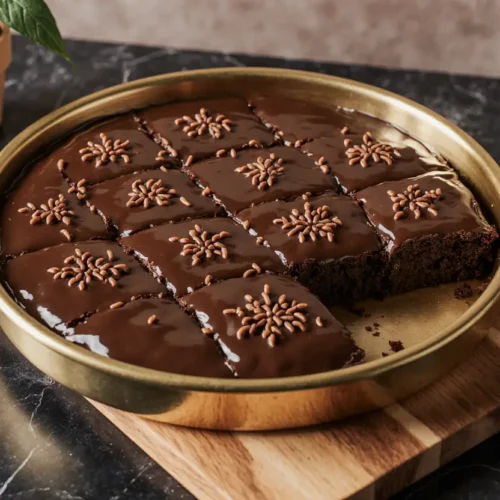
Yes! Pour all the batter into a greased and parchment-lined 9×13-inch pan. Bake at 350°F for 35-40 minutes. Sheet cakes are perfect for casual gatherings and transport more easily than layer cakes.
What’s the difference between Dutch-process and natural cocoa powder?
Dutch-process cocoa is treated with an alkalizing agent, making it darker, milder, and less acidic. Natural cocoa powder is more acidic and has a stronger chocolate flavor. Both work in this recipe, though Dutch-process creates a darker color. Don’t substitute cocoa powder for hot chocolate mix, which contains sugar and milk powder.
My cake domed significantly in the center. How do I prevent this?
Doming occurs when oven temperature is too high or the batter is over-mixed. Ensure your oven temperature is accurate with a thermometer, and consider baking at 325°F for a flatter cake (add 5-7 minutes to baking time). You can also use cake strips soaked in water and wrapped around the pans to promote even rising.
Can I double this recipe for a larger cake?
Yes, this recipe doubles beautifully. You can make a 3-layer cake using three 9-inch pans, or a large sheet cake in a 11×15-inch pan. Keep the baking temperature the same but monitor baking time, which may increase by 5-10 minutes depending on pan size.
What’s the best way to frost a no-mixer cake without breaking it?
Ensure the cake is completely cool, ideally chilled for 20 minutes. Apply a thin crumb coat first, refrigerate for 15 minutes, then apply the final frosting layer. The initial chilling firms up the cake’s structure, making it easier to handle.
Can I use this recipe to make a chocolate cake with mix-ins like chocolate chips or nuts?
Definitely! Fold in up to 1 cup of mix-ins (chocolate chips, chopped nuts, coconut flakes) after adding the boiling water. Toss them in a tablespoon of flour first to prevent sinking. The thin batter means heavier mix-ins may settle toward the bottom.
How do I know if my cake is done without over-baking it?
The toothpick test is most reliable: insert a toothpick into the center at 30 minutes. It should come out with a few moist crumbs (not wet batter). The cake should also spring back when lightly pressed, and edges will just begin pulling away from the pan. When in doubt, err on the side of slightly under-baking; residual heat continues cooking the cake as it cools.
Is there a gluten-free version of this recipe?
Yes! Replace the all-purpose flour with a 1:1 gluten-free flour blend that contains xanthan gum. Bob’s Red Mill 1-to-1 Gluten Free Baking Flour works excellently. The texture will be nearly identical to the original version, though the cake may be slightly more delicate.
Easy Chocolate Cake Comfort Food