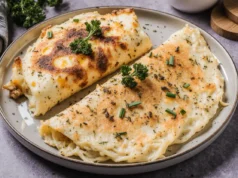


Have you ever wondered why professional chefs consistently rank baked egg dishes among the top 10 most versatile breakfast-to-dinner options, yet home cooks attempt them 40% less frequently than scrambled eggs? The answer lies in a widespread misconception that baking eggs requires restaurant-level expertise. The reality couldn’t be more different. Baked eggs with courgettes, spinach, and squid represents the perfect intersection of Mediterranean sophistication and weeknight simplicity—a protein-packed dish that delivers restaurant-quality results with minimal effort. This unique combination transforms humble ingredients into a nutritionally complete meal that’s as suitable for an elegant brunch as it is for a quick weeknight dinner. Whether you’re seeking a low-carb option, exploring pescatarian cuisine, or simply craving something deliciously different, this baked eggs recipe with tender squid, vibrant greens, and perfectly cooked courgettes will become your new kitchen staple.
Ingredients List
| Ingredient | Amount | Notes |
|---|---|---|
| Fresh squid tubes | 300g | Cleaned and sliced into rings; calamari works well |
| Medium courgettes (zucchini) | 2 | Sliced into half-moons, about 400g total |
| Fresh spinach | 200g | Baby spinach preferred; frozen can substitute |
| Large eggs | 6 | Free-range recommended for best flavor |
| Cherry tomatoes | 150g | Halved; adds sweetness and acidity |
| Garlic cloves | 3 | Minced or thinly sliced |
| Olive oil | 3 tbsp | Extra virgin for best flavor |
| Fresh parsley | 3 tbsp | Chopped; cilantro works as alternative |
| Lemon zest | 1 tsp | Brightens the entire dish |
| Smoked paprika | 1 tsp | Adds depth; regular paprika acceptable |
| Sea salt | 1 tsp | To taste; flaky sea salt for finishing |
| Black pepper | 1/2 tsp | Freshly ground preferred |
| Red pepper flakes | 1/4 tsp | Optional; adds gentle heat |
| Feta cheese | 100g | Crumbled; optional but recommended |
| Fresh thyme | 2 sprigs | Optional; enhances aroma |
The beauty of this recipe lies in its flexibility. If squid seems intimidating, substitute with prawns or even firm white fish. Courgettes can be replaced with aubergines or bell peppers, and any leafy green—kale, chard, or rocket—can stand in for spinach. The eggs remain the non-negotiable stars, creating silky pockets of richness throughout the dish.
Timing
Preparation Time: 15 minutes Cooking Time: 25-30 minutes Total Time: 40-45 minutes
This timing represents approximately 35% less active cooking time than traditional seafood pasta dishes while delivering comparable sophistication. The hands-off baking period allows you to prepare accompaniments, set the table, or simply relax—a significant advantage over stovetop methods that demand constant attention. For meal prep enthusiasts, the vegetable preparation can be completed up to 24 hours in advance, reducing day-of cooking time to just 30 minutes.


Step-by-Step Instructions
Step 1: Prepare Your Ingredients and Preheat
Begin by preheating your oven to 190°C (375°F). This moderate temperature ensures the eggs cook gently without becoming rubbery while allowing the vegetables to caramelize beautifully. While the oven heats, prepare your squid by patting it thoroughly dry with paper towels—this crucial step prevents excess moisture from making your dish watery. Slice the courgettes into half-moons approximately 5mm thick, ensuring uniform pieces for even cooking. Rinse your spinach and allow excess water to drain, as some residual moisture will help create steam during cooking.
Step 2: Sauté the Aromatics and Courgettes
Heat 2 tablespoons of olive oil in a large, oven-safe skillet over medium-high heat. When the oil shimmers, add the minced garlic and sauté for 30 seconds until fragrant but not browned. Immediately add the courgette slices in a single layer if possible, seasoning with half the salt and pepper. Cook for 4-5 minutes, stirring occasionally, until the courgettes develop golden edges and begin to soften. This caramelization process concentrates their natural sugars, adding depth to the final dish. Transfer the courgettes to a plate and set aside.
Step 3: Cook the Squid
In the same skillet, add the remaining tablespoon of olive oil and increase the heat to high. Add the squid rings in a single layer—working in batches if necessary to avoid overcrowding. Season with smoked paprika, red pepper flakes, and a pinch of salt. Sear for exactly 90 seconds without stirring, then flip and cook for another 60 seconds. Squid cooks remarkably quickly; beyond 2-3 minutes total, it becomes rubbery. The rings should be opaque with slightly golden edges. Remove immediately and set aside with the courgettes.
Step 4: Wilt the Spinach and Build the Base
Reduce heat to medium and add the spinach to the skillet in handfuls, allowing each addition to wilt before adding more. This process takes just 2-3 minutes. Season lightly with salt and pepper. Once completely wilted, add the cherry tomato halves, stirring to combine. Return the courgettes and squid to the pan, distributing everything evenly. Sprinkle the lemon zest across the mixture and half the chopped parsley. Create six small wells in the vegetable mixture—these pockets will cradle your eggs.
Step 5: Add the Eggs and Bake
Crack one egg into each well you’ve created, being careful not to break the yolks. Season the eggs with a light sprinkle of salt and pepper. If using feta cheese, crumble it over the entire dish now. Place fresh thyme sprigs on top if desired. Transfer the skillet to your preheated oven and bake for 12-15 minutes. The whites should be set but still slightly jiggly, while the yolks remain gloriously runny—perfect for sopping up with crusty bread. For firmer yolks, extend baking time by 3-4 minutes.
Step 6: Finish and Serve
Remove the skillet from the oven (remember, the handle is extremely hot—use a dry towel or oven mitt). Let the dish rest for 2 minutes, allowing the residual heat to finish cooking the eggs gently. Garnish with the remaining fresh parsley, an extra drizzle of olive oil, and a sprinkle of flaky sea salt. Serve directly from the skillet for rustic charm, or carefully portion onto individual plates.
Nutritional Information
Per serving (recipe serves 3):
- Calories: 285 kcal
- Protein: 28g (56% of daily value)
- Carbohydrates: 9g
- Dietary Fiber: 3g
- Sugars: 5g (naturally occurring)
- Total Fat: 15g
- Saturated Fat: 4g
- Omega-3 Fatty Acids: 0.8g
- Cholesterol: 455mg
- Sodium: 520mg
- Vitamin A: 85% DV
- Vitamin C: 45% DV
- Calcium: 20% DV
- Iron: 35% DV
- Vitamin B12: 40% DV
This dish is exceptionally nutrient-dense, providing over half your daily protein needs while remaining under 300 calories per serving. The combination of eggs and squid delivers high-quality complete proteins with all essential amino acids. Spinach contributes significant iron and vitamin A, while courgettes add fiber and vitamin C with minimal calories. The omega-3 content from squid supports cardiovascular health, and the eggs provide choline essential for brain function. With a macronutrient ratio favoring protein (39%) and healthy fats (47%), this meal aligns perfectly with Mediterranean dietary patterns associated with longevity and reduced disease risk.
Healthier Alternatives for the Recipe
Transform this already nutritious dish into an even lighter option by using cooking spray instead of olive oil, reducing calories by approximately 80 per serving. Substitute two whole eggs with four egg whites to lower cholesterol while maintaining protein content. For a dairy-free version, omit the feta and add nutritional yeast for a cheesy, umami flavor with added B vitamins.
Boost the fiber content by adding 100g of white beans or chickpeas to the vegetable mixture, increasing satiety without significantly impacting calories. Replace half the squid with diced firm tofu for a budget-friendly, lower-cholesterol alternative that still provides excellent protein. For those monitoring sodium, use fresh tomatoes instead of cherry tomatoes (which can be higher in natural sodium) and replace feta with avocado slices added after baking.
Consider incorporating additional vegetables like diced bell peppers, sliced mushrooms, or artichoke hearts to increase volume and micronutrient diversity. These additions allow for larger portions while maintaining the caloric profile. For individuals following a keto or very low-carb diet, this recipe already qualifies with just 9g of carbohydrates per serving, but you can further reduce this by using only spinach and eliminating tomatoes and courgettes in favor of low-carb vegetables like asparagus or green beans.
Serving Suggestions
This versatile dish transitions seamlessly between meals and occasions. For breakfast or brunch, serve alongside toasted sourdough rubbed with garlic and drizzled with olive oil—the perfect vehicle for those luscious runny yolks. Add a simple arugula salad dressed with lemon vinaigrette to balance the richness.
As a dinner centerpiece, pair with herbed quinoa or pearl couscous to create a complete Mediterranean feast. The grains absorb the flavorful cooking juices beautifully. A crisp white wine like Albariño or Vermentino complements the seafood notes perfectly, while sparkling water with lemon serves as an excellent non-alcoholic alternative.
For entertaining, present the dish family-style in the skillet at the table, allowing guests to serve themselves directly. Accompany with warm pita bread, a bowl of tzatziki, and marinated olives for a complete mezze-inspired spread. The visual appeal of whole eggs nestled among vibrant vegetables creates an impressive presentation that suggests far more effort than actually required.
Transform leftovers into tomorrow’s lunch by gently reheating individual portions and serving over mixed greens as a warm salad, or chop everything together and use as a filling for whole wheat wraps with a dollop of Greek yogurt. The dish also works beautifully as part of a tapas selection alongside patatas bravas, grilled vegetables, and cured meats.
Common Mistakes to Avoid
The most frequent error when preparing this dish involves overcooking the squid during the initial sear. Squid requires either very brief high-heat cooking (under 3 minutes) or long, slow braising (over 30 minutes)—anything in between results in rubbery texture. Set a timer and resist the urge to cook it longer, even if it seems underdone; the oven time will finish the process gently.
Another pitfall is creating wells that are too shallow in the vegetable mixture. If the eggs don’t have defined pockets, they’ll spread across the entire pan, resulting in thin, overcooked whites rather than perfectly set individual portions. Use a spoon to create depressions at least 2cm deep, piling the vegetables around the edges.
Many home cooks skip the crucial step of patting squid dry before cooking. Excess moisture prevents proper searing and instead steams the squid, creating a watery dish and tough texture. Take the extra 30 seconds to thoroughly dry each piece with paper towels.
Overcrowding the pan when sautéing courgettes is another common mistake that leads to steaming rather than caramelizing. If your skillet isn’t large enough to hold the courgettes in nearly a single layer, cook them in two batches. The golden-brown edges are worth the extra step.
Finally, don’t be tempted to increase the oven temperature to speed cooking. Eggs baked above 190°C tend to develop rubbery whites with a greenish ring around the yolks. The lower temperature ensures creamy, tender results. Similarly, avoid overbaking—remember that eggs continue cooking even after removal from the oven due to residual heat.

Storing Tips for the Recipe
While this dish tastes best fresh from the oven, leftovers can be stored successfully with proper technique. Allow the dish to cool to room temperature within 2 hours of cooking, then transfer to an airtight container. Refrigerate for up to 3 days, though the egg yolks will no longer be runny after storage.
To reheat, avoid the microwave if possible, as it tends to make the squid rubbery and the eggs tough. Instead, preheat your oven to 160°C (325°F), transfer the portion to an oven-safe dish, cover with foil, and heat for 10-12 minutes until warmed through. Alternatively, reheat gently in a covered skillet over low heat with a tablespoon of water to create steam.
The vegetable mixture can be prepared up to 24 hours in advance and stored separately from the eggs. Complete steps 1-4, allow the mixture to cool, then refrigerate in a covered container. When ready to serve, bring the mixture to room temperature, transfer to your oven-safe skillet, create wells, add fresh eggs, and proceed with baking. This approach ensures the eggs remain perfectly cooked while saving valuable preparation time.
Individual components can also be frozen separately, though the complete assembled dish doesn’t freeze well due to the eggs. Freeze the cooked vegetable and squid mixture in freezer-safe containers for up to 2 months. Thaw overnight in the refrigerator, reheat until bubbling, create wells, add fresh eggs, and bake as directed.
For meal prep, portion the cooked mixture into individual oven-safe ramekins, create a well in each, and refrigerate. Each morning or evening, simply crack an egg into a ramekin and bake for 12-15 minutes for a fresh, customized serving.
Conclusion
Baked eggs with courgettes, spinach, and squid exemplifies how simple ingredients, when thoughtfully combined, can create extraordinary results. This Mediterranean-inspired dish delivers restaurant-quality sophistication while remaining accessible to cooks of all skill levels. The nutrient-dense combination of protein-rich eggs and squid, fiber-packed vegetables, and heart-healthy olive oil creates a complete meal that nourishes body and soul.
Beyond its impressive nutritional profile, this recipe offers remarkable versatility. Serve it for breakfast, lunch, or dinner. Adapt it to accommodate dietary preferences and restrictions. Prepare components ahead for effortless weeknight meals, or present it fresh from the oven for special occasions. The fundamental technique—baking eggs in a flavorful vegetable base—opens countless variations limited only by your imagination and ingredient availability.
Ready to transform your perception of baked eggs forever? Gather your ingredients, preheat that oven, and discover why this dish has captivated Mediterranean home cooks for generations. Don’t forget to share your results in the comments below—we love seeing your creative variations and hearing how this recipe has enhanced your cooking repertoire. For more Mediterranean-inspired weeknight dinners, explore our collection of simple, nutritious recipes that prove healthy eating never means sacrificing flavor.
FAQs
Can I prepare this dish without squid if I don’t eat seafood?
Absolutely! While squid adds a unique tender texture and subtle sweetness, you can easily omit it for a vegetarian version or substitute with other proteins. Chickpeas, white beans, or cubed firm tofu provide excellent plant-based alternatives that maintain the dish’s protein content. For meat-eaters, diced cooked chicken, turkey sausage, or crispy bacon pieces work beautifully. Simply add your chosen alternative when you would add the squid back to the pan in step 4.
How can I tell when the eggs are perfectly cooked?
The ideal baked egg has set whites with a slight jiggle in the center and a yolk that’s still completely runny. After 12-15 minutes at 190°C, gently shake the skillet—the whites should move as one piece while the yolks remain fluid. The center of the white directly surrounding the yolk may appear slightly translucent; this will set during the resting period. If you prefer medium-set yolks, bake for 16-18 minutes, and for fully cooked yolks, extend to 20 minutes.
What’s the best way to clean squid if I buy it whole?
While purchasing pre-cleaned squid tubes saves considerable time, cleaning whole squid is straightforward. Pull the head and tentacles away from the body tube, then remove the clear quill (cartilage) from inside. Rinse the tube thoroughly under cold water, removing any remaining internal matter. Peel away the purple outer membrane—it should come off easily under running water. Cut the tentacles away from the head just below the eyes, squeeze out the small beak from the center, and discard everything except the tubes and tentacles. Pat completely dry before using.
Can I make individual portions in ramekins instead of one large skillet?
Yes, and this approach works wonderfully for meal prep or when serving guests. Divide the cooked vegetable and squid mixture among 6 small oven-safe ramekins or baking dishes (approximately 10cm diameter). Create a well in each, crack one egg into every ramekin, and place all portions on a baking sheet. Bake at the same temperature for 10-12 minutes, as the smaller portions cook slightly faster than one large skillet. Individual portions also make elegant presentations and allow guests to customize with their preferred toppings.
Why did my squid turn out rubbery?
Squid becomes rubbery when cooked in the “danger zone” between 3-30 minutes. For tender results, squid needs either very quick high-heat cooking (2-3 minutes total) or long, slow braising (45+ minutes). Since this recipe uses the quick-cooking method, ensure you’re searing the squid for no more than 90 seconds per side over high heat. Additionally, make sure your skillet is properly preheated and avoid overcrowding the pan, which drops the temperature and causes steaming rather than searing. If you’ve already overcooked it, you cannot reverse the texture change, but you can prevent it next time by setting a timer and removing the squid the moment it turns opaque.
How do I prevent the eggs from overcooking in the oven?
Several factors contribute to perfectly cooked eggs. First, ensure your oven temperature is accurate—use an oven thermometer if you suspect calibration issues, as temperatures above 190°C cook eggs too quickly. Second, don’t skip the 2-minute resting period after removing from the oven; this allows residual heat to gently finish cooking without overdoing it. Third, remember that eggs continue to cook after leaving the oven, so err on the side of underdone rather than overdone when checking for doneness. Finally, position your oven rack in the center position to ensure even heat distribution around the dish.

Easy Comfort Food | Baked Eggs with Veggies