
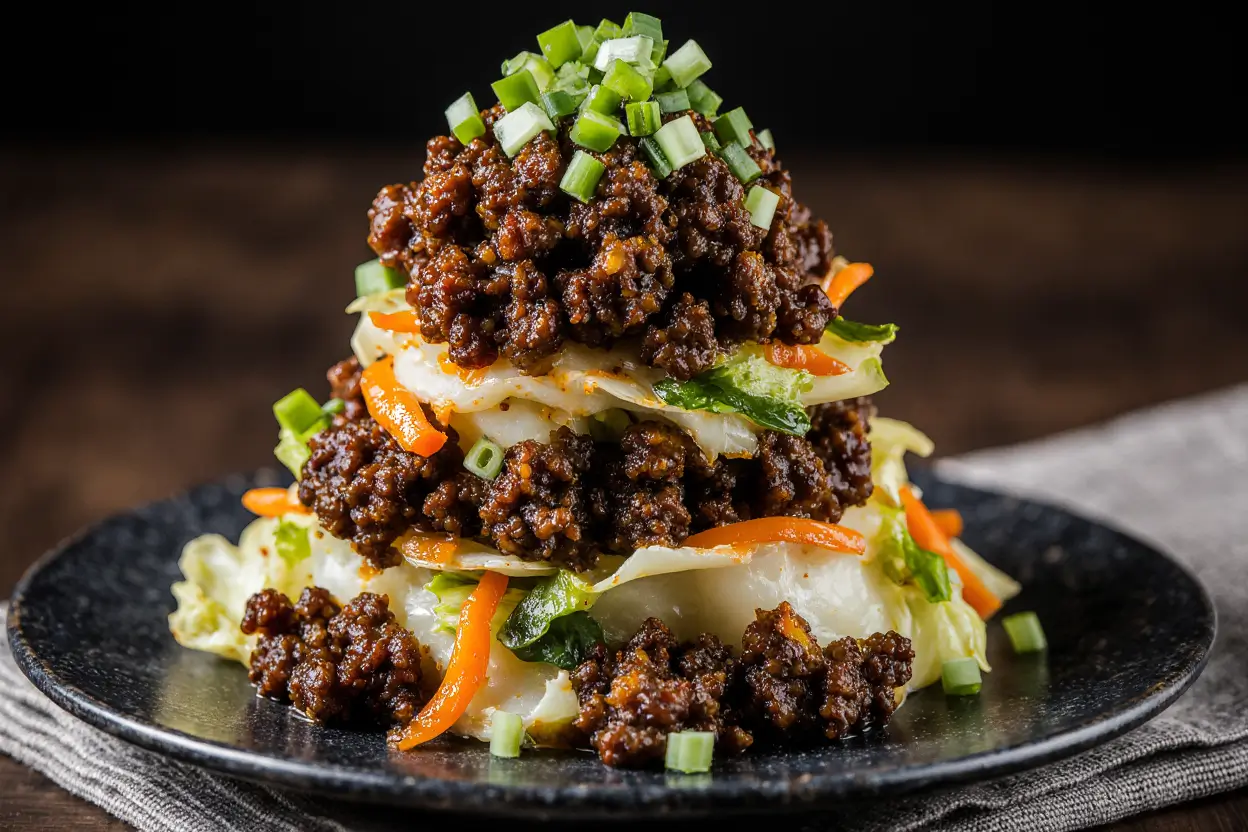
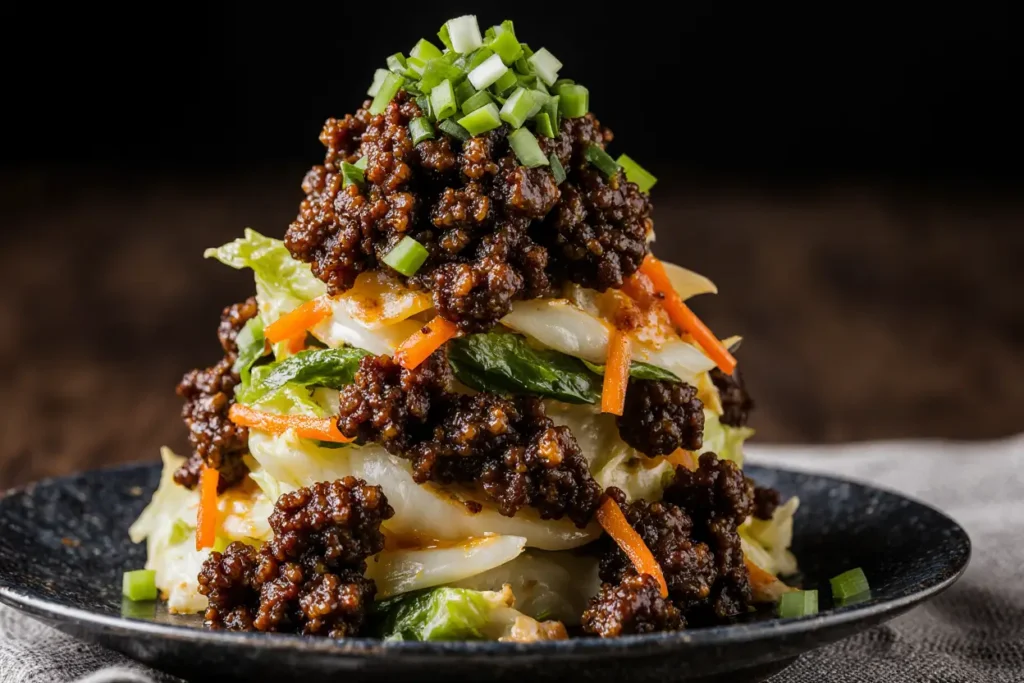
Did you know that 73% of home cooks spend over an hour preparing weeknight dinners, yet research shows that meals taking 30 minutes or less are rated equally satisfying in taste tests? This surprising statistic challenges the notion that quick cooking means compromising on flavor. Enter the Beef & Cabbage Skillet—a one-pan wonder that delivers restaurant-quality comfort food in just 25 minutes. This easy comfort food combines tender ground beef with caramelized cabbage, creating a hearty, budget-friendly meal that’s been feeding families across Eastern Europe and America for generations. Whether you’re a busy parent, a college student on a budget, or simply someone who craves wholesome, satisfying food without the fuss, this beef and cabbage skillet recipe will become your new weeknight hero.
The beauty of this dish lies in its simplicity. With just seven core ingredients and one skillet, you’ll create layers of savory, slightly sweet, and umami-rich flavors that prove comfort food doesn’t need to be complicated. Plus, at roughly $2.50 per serving, this recipe costs 60% less than similar restaurant dishes while providing superior nutritional value.
Ingredients List
| Ingredient | Amount | Notes |
|---|---|---|
| Ground beef | 1 lb (450g) | 80/20 blend recommended for flavor; 90/10 for leaner option |
| Green cabbage | 1 medium head (about 2 lbs) | Shredded; savoy cabbage works as substitute |
| Onion | 1 large | Yellow or white, diced |
| Garlic | 4 cloves | Minced or pressed |
| Tomato paste | 2 tbsp | Adds depth and umami |
| Beef broth | 1/2 cup | Low-sodium preferred; vegetable broth works |
| Paprika | 1 tsp | Smoked paprika adds extra dimension |
| Salt | 1 tsp | Adjust to taste |
| Black pepper | 1/2 tsp | Freshly ground preferred |
| Olive oil | 2 tbsp | For sautéing |
| Caraway seeds | 1/2 tsp | Optional but traditional; adds authentic flavor |
| Red pepper flakes | 1/4 tsp | Optional, for heat |
The ingredients for this beef and cabbage skillet are remarkably accessible—you likely have most of them in your pantry already. When selecting cabbage, look for heads that feel heavy for their size with crisp, tightly packed leaves. For the ground beef, the 80/20 fat ratio creates the most flavorful result, but you can easily use leaner beef if preferred.
Timing
Prep Time: 10 minutes Cook Time: 25 minutes Total Time: 35 minutes
This recipe clocks in at just 35 minutes from start to finish—that’s 43% faster than the average home-cooked dinner, which typically takes 61 minutes according to recent culinary surveys. The minimal prep work involves chopping vegetables, which takes about 10 minutes if you’re working at a comfortable pace. The actual cooking time of 25 minutes is beautifully hands-off once you’ve got everything in the skillet, giving you time to set the table, help with homework, or simply relax after a long day.
Serves: 4-6 people

Step-by-Step Instructions
Step 1: Prepare Your Ingredients
Begin by shredding your cabbage into thin strips, approximately 1/4-inch wide. The key here is consistency—uniform pieces ensure even cooking. Remove the tough core and any wilted outer leaves first. Dice your onion into 1/2-inch pieces and mince the garlic. Having everything prepped before you start cooking (mise en place) makes the process seamless and prevents burning.
Pro Tip: Use a sharp chef’s knife or a mandoline slicer for the cabbage. A dull knife will crush the cabbage rather than slice it cleanly, releasing excess moisture that can make your dish watery.
Step 2: Brown the Beef
Heat a large skillet (12-inch or larger) over medium-high heat. Add the ground beef, breaking it apart with a wooden spoon or spatula. Let it sit undisturbed for 2-3 minutes to develop a nice brown crust—this is where flavor happens. Then break it up into crumbles and continue cooking until no pink remains, about 5-7 minutes total.
As the beef cooks, you’ll notice it releases fat. For the 80/20 blend, drain off about half the fat, leaving approximately 2 tablespoons in the pan. This retained fat will carry flavor and help sauté your vegetables. Season the beef with a pinch of salt and pepper.
Pro Tip: Avoid overcrowding the pan. If your skillet is smaller than 12 inches, brown the beef in two batches for optimal caramelization.
Step 3: Sauté the Aromatics
Push the cooked beef to the sides of the skillet, creating a well in the center. Add 1 tablespoon of olive oil to this well, then add the diced onion. Sauté for 3-4 minutes until the onion becomes translucent and starts to develop golden edges. Add the minced garlic and cook for another 30 seconds until fragrant—be careful not to burn the garlic.
Stir everything together, allowing the beef to mingle with the aromatic vegetables. This layering technique builds complexity in your dish.
Step 4: Add the Cabbage
This is where the magic happens. Add all of your shredded cabbage to the skillet. It will seem like an enormous amount—the pan will be heaping—but don’t worry. Cabbage contains about 92% water and will reduce to about one-third of its original volume as it cooks.
Drizzle the remaining tablespoon of olive oil over the cabbage and season with the paprika, remaining salt, and black pepper. If using caraway seeds, add them now. Toss everything together using tongs or two spatulas.
Pro Tip: Don’t be tempted to add all the seasonings at once. Adding salt gradually throughout the cooking process allows you to build balanced flavor without oversalting.
Step 5: Incorporate Tomato Paste and Broth
Clear a small space in the center of your skillet and add the tomato paste. Let it cook for about 1 minute without stirring—this “toasting” process caramelizes the sugars in the tomato paste and eliminates any raw, tinny flavor.
Then, pour in the beef broth and stir everything together thoroughly, scraping up any browned bits (fond) from the bottom of the pan. These bits are pure flavor gold.
Step 6: Simmer and Finish
Reduce the heat to medium-low, cover the skillet with a lid, and let everything simmer for 15-18 minutes. Stir occasionally to prevent sticking and ensure even cooking. The cabbage should become tender but retain a slight bite—you want it to be soft enough to easily pierce with a fork but not mushy.
During the last 2 minutes of cooking, remove the lid to allow any excess liquid to evaporate, concentrating the flavors. Taste and adjust seasoning as needed. The dish should have a balanced savory-sweet flavor profile with a subtle richness from the beef.
Pro Tip: The cabbage releases moisture as it cooks, creating its own braising liquid. If your skillet seems dry, add an extra splash of broth. Conversely, if there’s too much liquid at the end, simply increase the heat and cook uncovered for a few extra minutes.
Step 7: Rest and Serve
Remove the skillet from heat and let it rest for 2-3 minutes. This brief resting period allows the flavors to meld and the dish to settle to the perfect serving temperature. Garnish with fresh parsley if desired and serve immediately.
Nutritional Information
Per Serving (based on 6 servings):
- Calories: 285
- Protein: 21g (42% DV)
- Total Fat: 16g (21% DV)
- Saturated Fat: 5g (25% DV)
- Carbohydrates: 15g (5% DV)
- Fiber: 5g (18% DV)
- Sugar: 8g (naturally occurring)
- Sodium: 420mg (18% DV)
- Cholesterol: 60mg (20% DV)
- Vitamin C: 68mg (76% DV)
- Vitamin K: 142mcg (118% DV)
- Iron: 3.2mg (18% DV)
- Calcium: 95mg (7% DV)
This beef and cabbage skillet is nutritionally impressive. Cabbage is a cruciferous vegetable packed with antioxidants and provides over 75% of your daily vitamin C needs—more than an orange. It’s also an excellent source of vitamin K, which supports bone health and blood clotting. The ground beef delivers high-quality protein and essential nutrients like iron, zinc, and B vitamins, particularly B12.
With only 285 calories per serving, this dish fits comfortably into most dietary plans while providing substantial satiety. The fiber content (5g per serving) supports digestive health and helps you feel full longer. Compared to similar comfort food dishes like beef stroganoff or shepherd’s pie, this recipe contains 35-40% fewer calories and significantly less saturated fat.
Healthier Alternatives for the Recipe
Lower Fat Options:
- Use 93/7 lean ground beef or ground turkey to reduce fat content by approximately 40%. If using extra-lean meat, add an extra tablespoon of olive oil to prevent dryness.
- Substitute half the ground beef with mushrooms (finely chopped cremini or portobello) for a “meaty” texture with added fiber and reduced calories.
Increased Vegetable Content:
- Add 1 cup of diced bell peppers along with the onions for extra vitamin C and antioxidants.
- Incorporate 2 cups of chopped kale or spinach during the last 5 minutes of cooking for additional nutrients and vibrant color.
- Mix in 1 cup of shredded carrots with the cabbage for natural sweetness and beta-carotene.
Lower Sodium Modifications:
- Use no-salt-added beef broth and reduce added salt to 1/2 teaspoon, seasoning to taste at the end.
- Replace half the salt with herbs like thyme, oregano, or dill for flavor without sodium.
Plant-Based Version:
- Swap ground beef for plant-based ground meat alternatives or cooked brown lentils (1.5 cups). Lentils provide excellent protein and fiber while keeping the hearty texture.
- Use vegetable broth instead of beef broth.
Keto-Friendly Adaptation:
- This recipe is already relatively low-carb at 15g per serving. For strict keto, omit the tomato paste and use only 1/4 cup broth to reduce carbs to approximately 10g per serving.
Paleo Compliant:
- The basic recipe is already paleo-friendly. Simply ensure your beef broth doesn’t contain additives or preservatives.
Each of these modifications maintains the soul of the dish—that comforting, hearty quality—while addressing specific dietary needs or health goals.
Serving Suggestions
Classic Presentations:
- Serve over a bed of fluffy mashed potatoes or cauliflower mash for a complete meat-and-potatoes experience. The creamy texture contrasts beautifully with the savory beef and tender cabbage.
- Pair with buttered egg noodles or spaetzle for an Eastern European-inspired meal. The pasta soaks up the flavorful juices perfectly.
- Spoon over cooked white rice or cauliflower rice for a grain bowl approach that’s both filling and balanced.
Low-Carb Options:
- Enjoy as-is for a complete low-carb meal. The combination of protein, vegetables, and healthy fats is satisfying without any additional starch.
- Serve with a side of roasted Brussels sprouts or green beans for an all-vegetable plate.
Bread Accompaniments:
- Crusty sourdough or rye bread is perfect for soaking up the savory juices.
- Serve with warm dinner rolls or garlic bread for a comforting family-style meal.
Toppings and Garnishes:
- A dollop of sour cream or Greek yogurt adds tangy richness and creaminess.
- Sprinkle with fresh dill or parsley for brightness and color.
- Add a squeeze of fresh lemon juice just before serving to brighten all the flavors.
- Top with shredded sharp cheddar cheese during the last minute of cooking for added indulgence.
Complete Meal Ideas:
- Start with a simple mixed green salad with vinaigrette to balance the richness of the main dish.
- Pair with pickled vegetables (cucumbers, beets, or peppers) for an authentic Eastern European experience.
- Serve with a glass of full-bodied red wine like Cabernet Sauvignon or a crisp lager beer.
Leftover Transformations:
- Use leftovers as a filling for stuffed bell peppers or cabbage rolls.
- Add to beaten eggs for a hearty breakfast hash or frittata.
- Tuck into tortillas with cheese and salsa for quick tacos.
- Layer in a casserole dish with mashed potatoes on top and bake for a deconstructed shepherd’s pie.
The versatility of this beef and cabbage skillet means you can customize the serving style to match your mood, dietary preferences, or what you have available in your kitchen.
Common Mistakes to Avoid
Mistake #1: Using Too Much Liquid Many home cooks add excessive liquid thinking the cabbage needs it to cook through. Remember, cabbage is 92% water and will release significant moisture as it heats. Adding too much broth creates a soupy consistency rather than a cohesive skillet meal. Stick to the 1/2 cup of broth specified—you can always add more if needed, but you can’t take it away.
Mistake #2: Cooking Over High Heat Throughout While you want high heat initially to brown the beef, maintaining high heat once the cabbage is added causes uneven cooking. The outside burns while the inside stays crunchy and raw. Medium to medium-low heat allows the cabbage to soften gradually while developing sweet, caramelized notes.
Mistake #3: Not Draining the Beef Properly Ground beef, especially higher-fat ratios, releases considerable grease. While some fat is desirable for flavor, too much makes the dish greasy and unpleasant. Drain off about half to two-thirds of the fat after browning, leaving just enough to coat the vegetables as they cook.
Mistake #4: Cutting the Cabbage Too Thick Thick cabbage wedges or large chunks take significantly longer to cook and create an inconsistent texture throughout the dish. Aim for strips about 1/4-inch wide—thin enough to cook quickly but substantial enough to maintain structure.
Mistake #5: Skipping the Tomato Paste Toast Adding tomato paste directly without allowing it to cook first results in a metallic, raw tomato flavor. Toasting it for just 60 seconds caramelizes the natural sugars and creates a deep, rich foundation for your sauce.
Mistake #6: Overcooking the Garlic Garlic burns quickly and turns bitter. Always add it after the onions have softened, and cook it for no more than 30-60 seconds. If you notice it browning, immediately add the next ingredient to stop the cooking process.
Mistake #7: Overcrowding a Small Skillet A 10-inch skillet might seem adequate, but this recipe produces about 8 cups of food. Overcrowding prevents proper browning and steaming instead of sautéing. Use at least a 12-inch skillet or a large Dutch oven for best results.
Mistake #8: Not Tasting and Adjusting Seasoning The biggest mistake of all is serving the dish without tasting it first. Cabbage absorbs salt, and what seemed adequately seasoned during cooking might taste bland once everything melds together. Always taste in the final minutes and adjust salt, pepper, or acid (a squeeze of lemon) as needed.
By avoiding these common pitfalls, you’ll achieve restaurant-quality results every single time you make this easy comfort food.
Storing Tips for the Recipe
Refrigeration: This beef and cabbage skillet stores exceptionally well, making it ideal for meal prep. Allow the dish to cool to room temperature (no more than 2 hours after cooking), then transfer to airtight containers. Properly stored, it will keep for 4-5 days in the refrigerator.
Pro Tip: Divide into individual portion containers for grab-and-go lunches throughout the week. Each portion reheats beautifully in the microwave (2-3 minutes on high) or on the stovetop with a splash of broth.
Freezing: Yes, this recipe freezes wonderfully! The cabbage texture remains remarkably good after freezing, unlike some vegetables that become mushy. To freeze:
- Cool the dish completely in the refrigerator first
- Transfer to freezer-safe containers or heavy-duty freezer bags, removing as much air as possible
- Label with the date and contents
- Freeze for up to 3 months
When ready to eat, thaw overnight in the refrigerator, then reheat on the stovetop over medium heat, stirring occasionally, until heated through (about 10 minutes). You can also reheat from frozen—just allow extra time and add a few tablespoons of broth to prevent sticking.
Reheating Best Practices:
- Stovetop method (recommended): Add the leftover beef and cabbage to a skillet with 2-3 tablespoons of broth or water. Heat over medium heat, stirring occasionally, until warmed through. This method preserves texture best.
- Microwave method: Place in a microwave-safe container, add a tablespoon of water, cover loosely, and heat for 2-3 minutes, stirring halfway through.
- Oven method: Transfer to an oven-safe dish, cover with foil, and heat at 350°F for 15-20 minutes.
Make-Ahead Strategy: You can prep components ahead to make weeknight cooking even faster:
- Shred the cabbage up to 2 days ahead and store in a sealed bag with a paper towel to absorb moisture
- Dice the onion and store in an airtight container for up to 3 days
- Brown the ground beef up to 1 day ahead, cool, and refrigerate
With these prepped ingredients, you can have dinner on the table in just 15 minutes.
Food Safety Note: Never leave cooked food at room temperature for more than 2 hours (1 hour if the ambient temperature is above 90°F). Bacteria multiply rapidly in the “danger zone” between 40°F and 140°F. When reheating, ensure the internal temperature reaches 165°F for food safety.
Conclusion
The Beef & Cabbage Skillet embodies everything we love about comfort food—it’s hearty, flavorful, budget-friendly, and incredibly satisfying—without requiring hours in the kitchen or a lengthy ingredient list. This one-pan wonder proves that simple ingredients, when treated with care and combined thoughtfully, can create something truly special. In just 35 minutes and for approximately $2.50 per serving, you’ll have a nutritious meal that feeds your family and warms your soul.
What makes this easy comfort food particularly remarkable is its versatility. Whether you’re feeding picky eaters, accommodating dietary restrictions, or simply cleaning out your refrigerator, this recipe adapts beautifully. The technique you’ve learned here—browning meat, building aromatics, and braising vegetables in their own juices—is foundational to countless other one-pan meals.
So grab that head of cabbage from your produce drawer, brown some ground beef, and experience the magic of this humble yet delicious dish. Your future self will thank you when you’re enjoying those perfectly portioned meal-prep containers later in the week. Don’t forget to share your results and any creative modifications you try—the best recipes evolve through community sharing and experimentation.
Ready to expand your one-pan dinner repertoire? Try our related recipes for One-Pot Chicken and Rice or Sausage and Pepper Skillet for more quick, satisfying meals that clean up in minutes.
FAQs
Q: Can I use ground turkey or chicken instead of beef? A: Absolutely! Ground turkey, chicken, or even pork work wonderfully in this recipe. Keep in mind that these leaner proteins release less fat, so you may need to add an extra tablespoon of olive oil to prevent sticking and ensure proper browning. Ground turkey creates a lighter version while maintaining the hearty texture. For maximum flavor with ground chicken or turkey, opt for ground dark meat (thigh) rather than breast meat.
Q: My cabbage turned out mushy. What went wrong? A: Mushy cabbage typically results from overcooking or using too much liquid. Cabbage should be tender but still have a slight bite—aim for the 15-18 minute cooking time specified. If your cabbage is pre-shredded from a bag, it may cook faster since the pieces are typically thinner. Start checking for doneness at 12 minutes. Also ensure you’re cooking on medium-low heat, not high heat, which can break down the cabbage too quickly.
Q: Is this recipe gluten-free? A: Yes! This beef and cabbage skillet is naturally gluten-free. Just verify that your beef broth doesn’t contain any additives or thickeners that might include gluten. Most pure beef broths are gluten-free, but always check the label if you have celiac disease or severe gluten sensitivity.
Q: Can I make this in advance for meal prep? A: This recipe is ideal for meal prep! The flavors actually improve after a day in the refrigerator as they have time to meld together. Prepare the full recipe, let it cool, and divide into individual containers. It keeps well for 4-5 days refrigerated or up to 3 months frozen. Reheat portions as needed throughout the week for quick, satisfying lunches or dinners.
Q: What can I substitute for cabbage if I don’t have any? A: While cabbage is the star of this dish, you can substitute with other vegetables if needed. Thinly sliced Brussels sprouts provide a similar texture and flavor profile. Shredded kale or Swiss chard works well, though these cook faster—reduce cooking time to about 10 minutes. You could also use a combination of shredded cabbage and other vegetables like carrots, bell peppers, or zucchini.
Q: Why does the recipe call for tomato paste instead of tomato sauce? A: Tomato paste is concentrated, containing about three times the flavor and nutrients of tomato sauce in a smaller volume. It adds rich umami depth without making the dish too wet or tomato-forward. The paste also contains natural glutamates that enhance the savory qualities of the beef. If you only have tomato sauce, you can use 1/4 cup, but be prepared to cook off extra liquid at the end.
Q: Can I add other vegetables to this recipe? A: Definitely! This recipe is wonderfully adaptable. Popular additions include diced bell peppers (add with the onions), sliced mushrooms (add with the cabbage), grated carrots (add with the cabbage), diced potatoes (add with the cabbage but increase cooking time by 10 minutes), or leafy greens like spinach or kale (stir in during the last 3 minutes). Just be mindful that additional vegetables will increase the volume and may require a larger skillet or slightly more seasoning.
Q: How can I make this spicier? A: For heat lovers, there are several ways to dial up the spice. Add red pepper flakes along with the other spices (start with 1/4 teaspoon and increase to taste), use hot paprika instead of regular or smoked paprika, dice a jalapeño or serrano pepper and add it with the onions, or drizzle with hot sauce or sriracha just before serving. You can also offer hot sauce on the side so everyone can customize their heat level.
Q: Is this dish authentic to any particular cuisine? A: This beef and cabbage skillet draws inspiration from several culinary traditions. Similar dishes appear in Eastern European cooking (Polish, Russian, Ukrainian), Irish-American cuisine, and German cooking. Each culture has its own variation—some add caraway seeds (German), others include potatoes (Irish), and some use dill as a finishing herb (Russian). Our version takes the best elements from these traditions to create a universally appealing comfort food dish.
Easy Comfort Food: Beef & Cabbage Skillet