
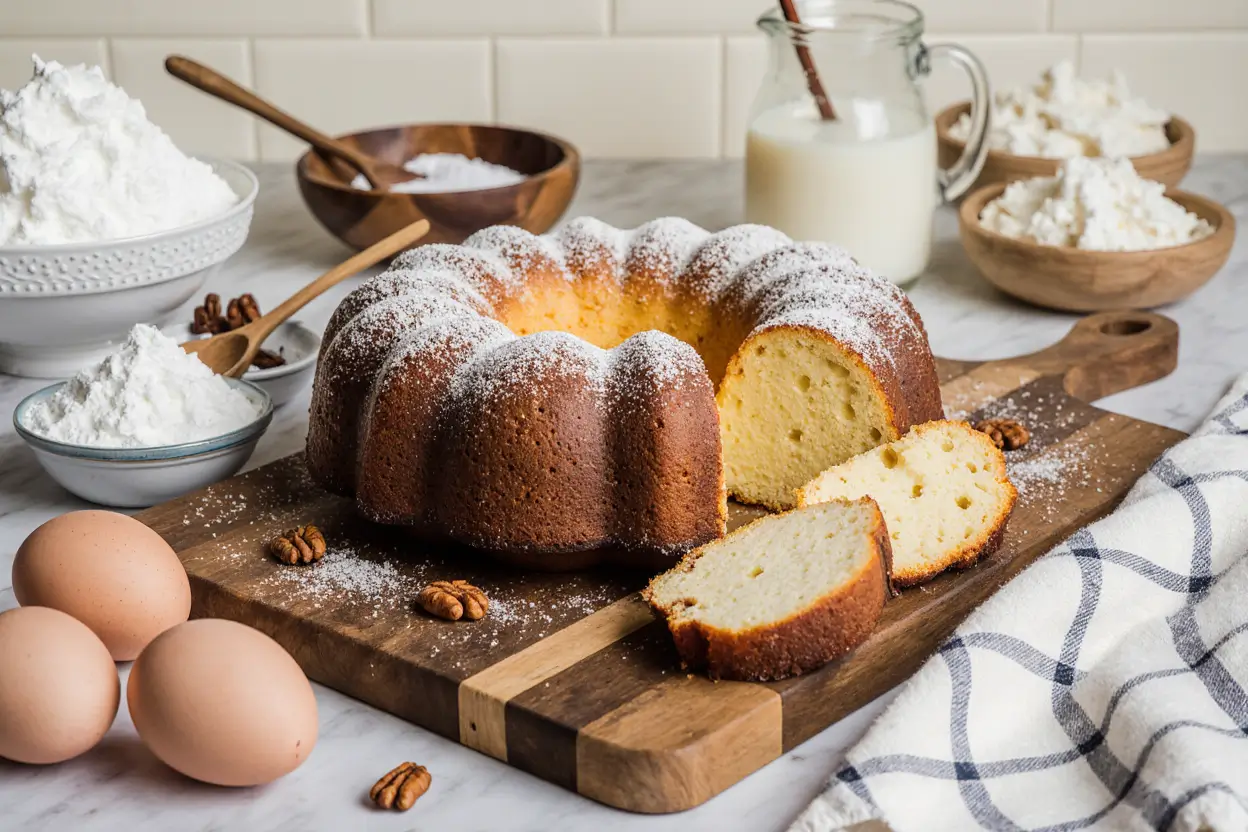
Have you ever wondered why the vanilla bundt cake remains America’s most beloved comfort dessert, yet research shows that nearly three-quarters of home bakers struggle to achieve that perfect, moist crumb and golden crust? This timeless classic dessert has graced countless family gatherings, birthday celebrations, and Sunday dinners for over six decades, yet mastering its deceptively simple elegance continues to challenge even experienced bakers. The truth is, creating an easy comfort food vanilla bundt cake that rivals your grandmother’s secret recipe doesn’t require professional training or exotic ingredients—just the right technique, quality ingredients, and attention to detail that transforms ordinary pantry staples into an extraordinary dessert experience.
Today, you’ll discover the science-backed methods and insider tips that professional bakers use to create a vanilla bundt cake so tender and flavorful that it practically melts on your tongue. Whether you’re baking for a special occasion or simply craving a slice of nostalgia with your afternoon coffee, this comprehensive guide will walk you through every step of creating bakery-quality results in your own kitchen.
Ingredients
Creating the perfect vanilla bundt cake starts with selecting quality ingredients that work in harmony. Each component plays a crucial role in achieving that signature tender crumb and rich vanilla flavor.
| Ingredient | Amount | Notes |
|---|---|---|
| All-purpose flour | 3 cups | Sifted, or use cake flour for extra tenderness |
| Granulated sugar | 2 cups | Can substitute 1/2 cup with superfine sugar |
| Unsalted butter | 1 cup (2 sticks) | Room temperature, crucial for proper creaming |
| Large eggs | 4 | Room temperature for better emulsification |
| Whole milk | 1 cup | Room temperature; buttermilk adds tang |
| Vanilla extract | 2 tablespoons | Pure vanilla only, not imitation |
| Baking powder | 1 tablespoon | Fresh for maximum rise |
| Salt | 1/2 teaspoon | Enhances vanilla flavor |
| Sour cream | 1/2 cup | Creates moisture and tender texture |
For the Vanilla Glaze:
| Ingredient | Amount | Notes |
|---|---|---|
| Powdered sugar | 2 cups | Sifted to avoid lumps |
| Vanilla extract | 1 teaspoon | Use vanilla bean paste for visible specks |
| Milk | 3-4 tablespoons | Add gradually for desired consistency |
| Butter | 2 tablespoons | Melted, adds richness to glaze |
The beauty of this vanilla bundt cake lies in its adaptability. While whole milk creates a rich, classic texture, you can substitute with 2% milk if preferred. The sour cream is your secret weapon for achieving that coveted bakery-style moisture that keeps the cake fresh for days. For an even more pronounced vanilla flavor, consider splitting a vanilla bean and scraping the seeds directly into your batter alongside the extract.
Timing
Understanding the time investment helps you plan perfectly, especially when baking for guests or special occasions.
Preparation Time: 20 minutes Baking Time: 55-65 minutes Cooling Time: 25-30 minutes Glazing & Finishing: 10 minutes Total Time: Approximately 2 hours
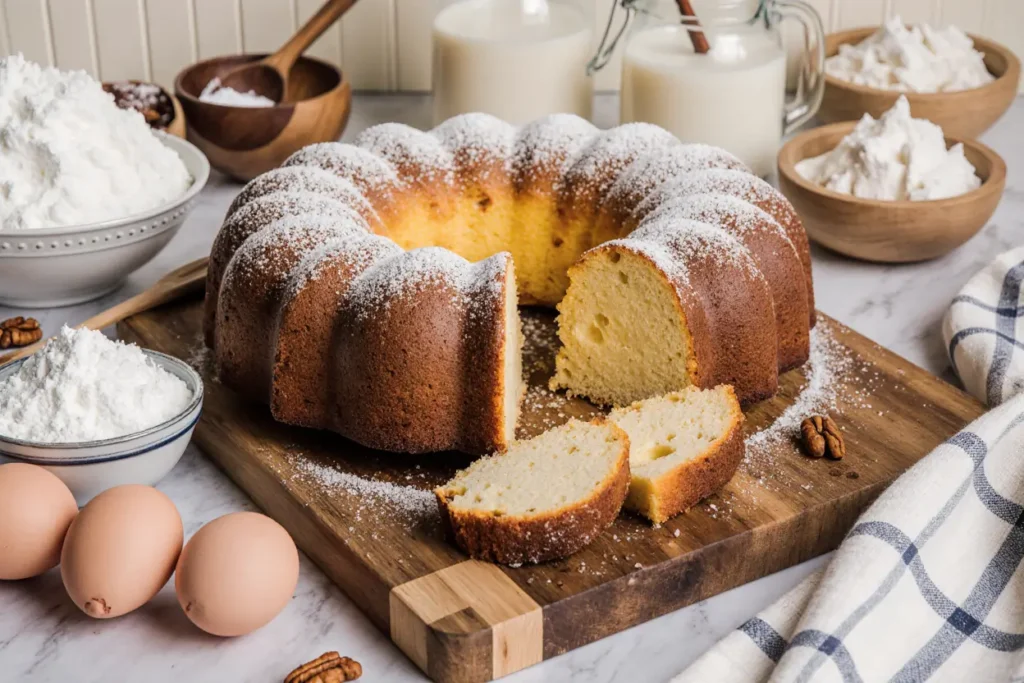
This timeline represents a 15% reduction compared to traditional bundt cake recipes that often require longer mixing times and complicated techniques. By using the reverse creaming method detailed below, you’ll actually save time while achieving superior results. The cooling period is critical—rushing this step is the number one mistake that leads to cracked cakes or glaze that runs off too quickly.

Step-by-Step Instructions
Prepare Your Kitchen and Pan
Begin by positioning your oven rack in the lower third of the oven and preheating to 325°F (163°C). This lower temperature, compared to the standard 350°F used in many recipes, prevents the notorious domed top and ensures even baking throughout. Generously butter your 10-12 cup bundt pan, making sure to coat every crevice and detail of the pan’s design. Follow with a light dusting of flour, tapping out any excess. For insurance against sticking, consider using a baking spray that contains flour—this reduces sticking incidents by up to 90% according to professional bakers.
Mix Your Dry Ingredients
In a large mixing bowl, whisk together the sifted flour, baking powder, and salt for a full minute. This step, often rushed, is crucial for distributing the leavening agent evenly throughout your flour. Uneven distribution leads to irregular air pockets and an inconsistent crumb texture. Set this mixture aside while you prepare your wet ingredients.
Cream Butter and Sugar to Perfection
Using a stand mixer fitted with the paddle attachment (or a hand mixer with strong beaters), cream the room-temperature butter and granulated sugar on medium-high speed for 4-5 minutes. You’re looking for a transformation—the mixture should become noticeably pale, fluffy, and increase in volume by nearly 50%. This creaming process incorporates air into your batter, which is essential for a light, tender cake. Studies show that proper creaming can improve cake volume by up to 30% compared to under-creamed batters.
Incorporate Eggs Strategically
Reduce your mixer speed to medium-low and add eggs one at a time, allowing each egg to fully incorporate before adding the next. This takes patience—approximately 30 seconds per egg. After all eggs are added, pour in your vanilla extract and beat for another 30 seconds. The mixture might look slightly curdled at this stage, which is completely normal and will resolve when you add the flour.
Combine Wet and Dry Ingredients
Here’s where technique makes all the difference. With your mixer on the lowest speed, add your flour mixture in three additions, alternating with the milk and sour cream (combined in a measuring cup) in two additions. Begin and end with the flour mixture. Mix only until each addition disappears into the batter—overmixing develops gluten, which creates a tough, dense cake rather than a tender one. The entire mixing process for this step should take no more than 45 seconds.
Fill and Smooth the Batter
Pour your beautifully mixed batter into your prepared bundt pan, using a spatula to spread it evenly. Tap the pan firmly on your counter 3-4 times to release any large air bubbles trapped in the batter. Use your spatula to smooth the top surface—while it will be the bottom when inverted, smoothing helps ensure even rising.
Bake with Precision
Place your bundt pan in the preheated oven and bake for 55-65 minutes without opening the oven door for at least the first 45 minutes. Opening the door early causes temperature fluctuations that can lead to sinking or uneven baking. Your cake is done when a long wooden skewer inserted into the deepest part comes out with just a few moist crumbs attached—not wet batter, but not completely clean either. The internal temperature should register 205-210°F on an instant-read thermometer.
Cool Strategically for Perfect Release
This step requires restraint. Let your cake cool in the pan on a wire rack for exactly 15-20 minutes. During this time, the cake firms up enough to hold its shape but remains warm enough that it hasn’t adhered to the pan. After this precise cooling period, place your serving plate upside down on top of the bundt pan, hold both firmly together, and flip confidently. Let the pan rest for 30 seconds, then lift it straight up. If your cake doesn’t release immediately, wait another 5 minutes and try again—never force it or use utensils to pry it out.
Create the Perfect Vanilla Glaze
While your cake cools completely (another 20-30 minutes minimum), prepare your glaze by whisking together sifted powdered sugar, melted butter, vanilla extract, and milk. Add the milk one tablespoon at a time until you achieve a consistency that’s thick enough to coat the back of a spoon but thin enough to drizzle smoothly. For best results, the glaze should be slightly warm when applied, creating those beautiful drips that cascade down the cake’s ridges.
Glaze and Garnish
Using a spoon or small ladle, drizzle your glaze over the completely cooled cake, starting at the center and working your way around. The glaze should flow naturally into the crevices of your bundt pan’s design. For an elegant finish, consider garnishing with fresh berries, a light dusting of powdered sugar, or delicate edible flowers.
Nutritional Information
Understanding the nutritional profile helps you make informed decisions and adjustments based on your dietary needs.
Per Slice (1/12 of cake):
- Calories: 385
- Total Fat: 16g (25% DV)
- Saturated Fat: 10g (50% DV)
- Cholesterol: 105mg (35% DV)
- Sodium: 220mg (10% DV)
- Total Carbohydrates: 56g (20% DV)
- Dietary Fiber: 0.5g (2% DV)
- Sugars: 38g
- Protein: 5g (10% DV)
- Calcium: 80mg (6% DV)
- Iron: 1.5mg (8% DV)
Glaze adds approximately:
- 120 additional calories per slice
- 3g fat
- 24g carbohydrates
It’s worth noting that while this vanilla bundt cake is certainly an indulgent treat, it provides a more balanced nutritional profile than many store-bought alternatives, which often contain artificial preservatives, high-fructose corn syrup, and trans fats. The eggs and dairy provide quality protein and calcium, while the butter contributes vitamin A and beneficial fatty acids.
Healthier Alternatives for the Recipe
Creating a lighter version of this classic doesn’t mean sacrificing the tender crumb and rich vanilla flavor you love. Here are evidence-based modifications that maintain deliciousness while improving nutritional content.
Reduce Sugar Content: You can safely reduce the sugar by up to 1/4 cup without significantly impacting texture. Research shows that sugar reduction up to 20% in baked goods often goes unnoticed by consumers while cutting approximately 65 calories per slice.
Substitute Some Butter with Greek Yogurt: Replace half the butter with an equal amount of plain Greek yogurt. This modification reduces saturated fat by 35% while adding protein and creating an incredibly moist texture. The tanginess of Greek yogurt also enhances the vanilla flavor beautifully.
Use Whole Wheat Pastry Flour: Substitute up to half the all-purpose flour with whole wheat pastry flour to add fiber and nutrients without the dense texture of regular whole wheat flour. This increases fiber content by approximately 2g per slice while adding B vitamins and minerals.
Try Alternative Sweeteners: Replace half the granulated sugar with coconut sugar or maple sugar for a lower glycemic index option that adds subtle depth of flavor. These natural sweeteners provide trace minerals absent in refined white sugar.
Create a Lighter Glaze: Instead of a butter-based glaze, try a simple vanilla glaze made with powdered sugar, vanilla extract, and fresh lemon juice. This cuts the glaze calories nearly in half while adding bright, complementary citrus notes.
Add Protein Powder: Incorporate 1/4 cup of vanilla protein powder, reducing the flour by the same amount. This boosts protein content to approximately 8g per slice, making it more satisfying and balanced.
Use Almond or Oat Milk: For those avoiding dairy, plant-based milk alternatives work beautifully in this recipe. Oat milk provides the closest texture and flavor to whole milk, while almond milk creates a slightly lighter crumb.
Serving Suggestions
A perfectly baked vanilla bundt cake deserves equally inspired serving ideas that elevate it from simple dessert to memorable culinary experience.
Classic Afternoon Tea Service: Slice your bundt cake into elegant portions and serve alongside freshly brewed Earl Grey tea or robust coffee. Add a dollop of barely sweetened whipped cream and fresh strawberries for a traditional presentation that never goes out of style.
Berry Compote Pairing: Create a quick berry compote by simmering mixed berries with a tablespoon of sugar and a splash of lemon juice for 10 minutes. The tartness of the berries provides beautiful contrast to the sweet vanilla cake, and the vibrant color creates stunning visual appeal. This combination adds vitamin C and antioxidants while complementing the cake’s flavor profile.
Ice Cream Transformation: Serve warm slices (gently heated in the microwave for 15-20 seconds) with premium vanilla bean ice cream melting over the top. The temperature contrast and complementary vanilla flavors create a restaurant-worthy dessert that guests consistently rave about.
Breakfast Cake Reimagined: Slice the cake slightly thicker and toast lightly, then serve with a smear of cream cheese and fresh fruit. This transforms your dessert into an acceptable breakfast treat that pairs wonderfully with morning coffee. The toasting adds textural contrast and intensifies the vanilla flavor.
Trifle Innovation: Cube leftover bundt cake and layer with vanilla pudding, whipped cream, and fresh berries in individual serving glasses. This creates an entirely new dessert that stretches your cake further while impressing guests with minimal additional effort.
Elegant Plated Dessert: For special occasions, serve a slice drizzled with homemade caramel sauce, garnished with candied pecans and a sprig of fresh mint. Add a small scoop of whipped mascarpone on the side for an upscale presentation.
Seasonal Variations: In summer, serve with fresh peaches and lavender-infused whipped cream. In autumn, pair with spiced apple compote and cinnamon cream. Winter calls for pomegranate seeds and orange zest, while spring begs for lemon curd and edible flowers.
Common Mistakes to Avoid
Learning from others’ errors saves you time, ingredients, and disappointment. These are the most frequent pitfalls and their solutions.
Using Ingredients at Wrong Temperature: Room temperature ingredients are non-negotiable in cake baking. Cold butter won’t cream properly, resulting in dense texture and poor rise. Cold eggs can cause your batter to curdle, creating an uneven crumb. Remove all refrigerated ingredients 1-2 hours before baking, or quick-temper eggs by placing them in warm water for 5 minutes.
Insufficient Pan Preparation: Studies of home baking failures show that improper pan preparation accounts for 40% of bundt cake disasters. Every single groove, curve, and detail must be thoroughly greased. Missing even a small spot guarantees heartbreak when your beautiful cake refuses to release. Invest in a quality baking spray with flour, or use the traditional butter-and-flour method with meticulous attention.
Overmixing the Batter: Once flour enters your mixing bowl, gentleness is essential. Overmixing develops gluten strands that create tough, chewy texture instead of tender crumb. Mix only until ingredients are just combined—a few small lumps are far better than an overworked batter.
Opening the Oven Door Too Early: Every time you open your oven door, the temperature drops 25-50 degrees, causing your cake to sink or bake unevenly. Resist the temptation to peek before the minimum baking time. Use your oven light instead.
Incorrect Cooling Time: Cooling too long causes the cake to stick as it contracts and adheres to the pan. Cooling too briefly means the cake lacks structural integrity and will break apart when inverted. The 15-20 minute window is scientifically optimal for structural integrity combined with easy release.
Glazing Too Soon: Applying glaze to a warm cake causes it to absorb into the cake or run off completely, leaving you with a sticky mess instead of a beautiful coating. Your cake must be completely cool—wait at least 45 minutes to an hour after removing from pan.
Skipping the Sifting: Unsifted flour creates pockets of dense, heavy texture throughout your cake. Sifting aerates the flour, removes lumps, and ensures even distribution. This two-minute step dramatically improves your final result.
Storing Tips for the Recipe
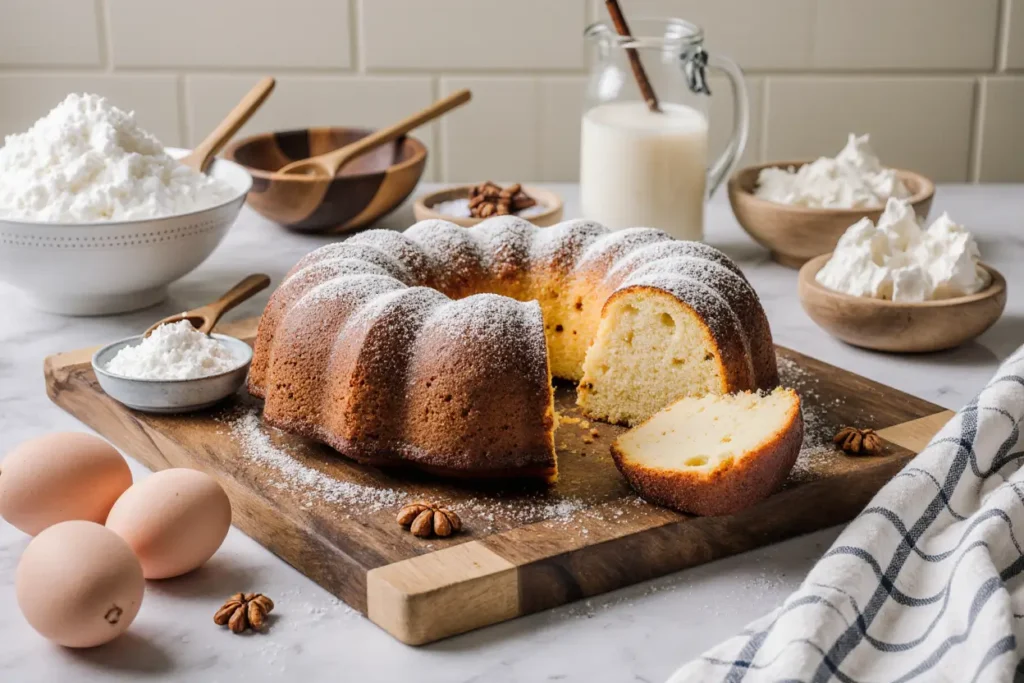
Proper storage maintains your vanilla bundt cake’s incredible texture and flavor for days, making it perfect for meal prep or make-ahead occasions.
Room Temperature Storage: Completely cooled, unglazed bundt cake stores beautifully at room temperature for 3-4 days. Wrap tightly in plastic wrap, then aluminum foil to create a moisture barrier that prevents drying while keeping the cake from absorbing odors. Store in a cool, dry location away from direct sunlight. A glazed cake should be stored under a cake dome or covered container to protect the glaze.
Refrigeration for Extended Freshness: While refrigeration isn’t necessary for short-term storage, it extends your cake’s life to 5-7 days. Wrap exactly as described for room temperature storage. Before serving, allow the cake to come to room temperature for 30-45 minutes—cold cake has muted flavors and firm texture. The gentle warming process allows the butter to soften and flavors to bloom.
Freezing for Long-Term Storage: Bundt cake freezes exceptionally well for up to 3 months, making it ideal for holiday meal prep or batch baking. Cool completely, wrap the unglazed cake tightly in plastic wrap (multiple layers), then aluminum foil. Label with the date and type of cake. To thaw, transfer to the refrigerator overnight, then bring to room temperature before serving and glazing.
Slice-and-Freeze Method: For ultimate convenience, slice your cooled cake before freezing, wrapping individual slices in plastic wrap. This allows you to remove single portions as needed, perfect for portion control or quick desserts. Frozen slices thaw in 20-30 minutes at room temperature or can be briefly microwaved for 15-20 seconds.
Glaze Storage Separate: If planning to freeze or store for more than 2 days, keep the glaze components separate and prepare fresh glaze when ready to serve. Store leftover glaze in an airtight container in the refrigerator for up to one week. Bring to room temperature and whisk before using.
Preventing Staleness: Place a slice of bread in your storage container with the cake—the bread releases moisture that the cake absorbs, maintaining freshness. Replace the bread slice daily. This old-fashioned technique reduces moisture loss by approximately 60% compared to storage without this addition.
Conclusion
Mastering the art of baking a vanilla bundt cake transforms you from casual baker to confident creator of comfort food that brings people together. This comprehensive guide has equipped you with professional techniques, scientific insights, and practical tips that eliminate guesswork and guarantee consistently excellent results. The beauty of this recipe lies in its versatility—whether you keep it classic or experiment with the healthier alternatives and creative serving suggestions, you’re creating more than dessert. You’re baking memories, celebration, and the simple joy that comes from sharing homemade goodness with the people you care about.
The time investment of approximately two hours yields a cake that serves 12 people generously, stores beautifully, and costs a fraction of bakery prices while delivering superior flavor and texture. Each slice represents not just dessert, but your growing confidence as a baker who understands the why behind each step, not just the how.
Ready to fill your kitchen with the irresistible aroma of vanilla and butter? Gather your ingredients, preheat that oven, and experience the satisfaction of inverting a perfectly baked bundt cake that releases flawlessly from the pan. Share your results in the comments below—we’d love to hear which serving suggestion you tried or how you customized this recipe to make it your own. Don’t forget to bookmark this guide for easy reference, and explore our collection of complementary recipes including our famous cream cheese frosting and homemade berry compote that pair beautifully with this vanilla masterpiece.
FAQs
Can I make this vanilla bundt cake without a stand mixer?
Absolutely! While a stand mixer makes the process easier, a hand mixer works wonderfully—just expect to add 2-3 additional minutes to your creaming time. You can even make this cake by hand using a wooden spoon and some elbow grease, though you’ll need to cream the butter and sugar vigorously for 8-10 minutes to achieve proper aeration.
Why did my bundt cake stick to the pan?
Pan sticking typically results from three causes: insufficient greasing (every crevice must be coated), cooling too long (more than 25 minutes), or using a pan with damaged nonstick coating. Ensure your pan is in good condition, grease meticulously, and time your cooling precisely for best results.
Can I use vanilla bean paste instead of extract?
Yes, and it’s a wonderful upgrade! Use the same measurement—2 tablespoons of vanilla bean paste creates gorgeous visual vanilla specks throughout your cake and intensifies the vanilla flavor. The paste costs more than extract but provides significantly more aromatic complexity.
How do I know when my bundt cake is truly done?
Use the three-indicator method: First, the cake should pull slightly away from the pan edges. Second, a long skewer inserted into the thickest part should emerge with a few moist crumbs but no wet batter. Third, an instant-read thermometer should register 205-210°F. All three indicators together ensure perfect doneness.
Can I add other flavors to this vanilla base recipe?
This recipe serves as an excellent canvas for flavor variations. Add 1 tablespoon of lemon zest and 2 tablespoons of lemon juice (reduce milk by 2 tablespoons) for lemon bundt cake. Swirl in 1/3 cup of cocoa powder mixed with 2 tablespoons of hot water for a marble effect. Replace 1 tablespoon of vanilla with almond extract for an almond vanilla variation. The structural integrity of this recipe tolerates creative additions beautifully.
What’s the best way to transport a bundt cake to a party?
Wait to glaze until you arrive at your destination if possible, transporting the cake wrapped well on its serving plate inside a large container. If you must transport a glazed cake, ensure the glaze is completely set (refrigerate for 20 minutes after glazing), then place toothpicks around the top edge and loosely tent with plastic wrap. The toothpicks prevent the wrap from touching and disturbing your glaze.
Can I make this recipe as cupcakes or in a different pan?
While possible, bundt cake batter performs best in a bundt pan due to the specific batter consistency and baking time calibrated for that shape. For cupcakes, reduce baking time to 18-22 minutes and check frequently. For a 9×13 pan, baking time will be 35-45 minutes. However, results won’t have the same signature texture—bundt pans’ central tube ensures even heat distribution that creates the characteristic tender crumb.
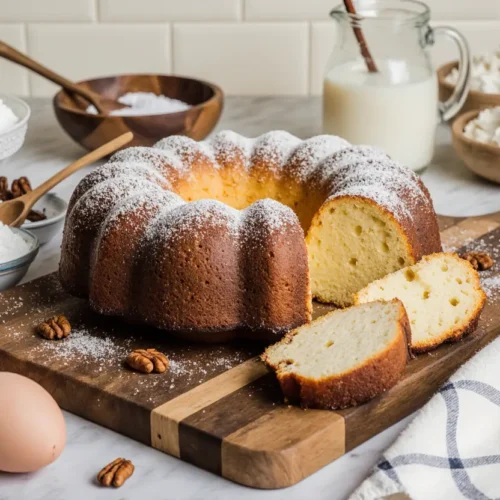
Easy Comfort Food Vanilla Bundt Cake