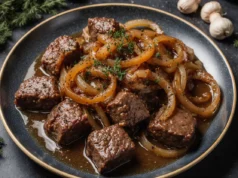

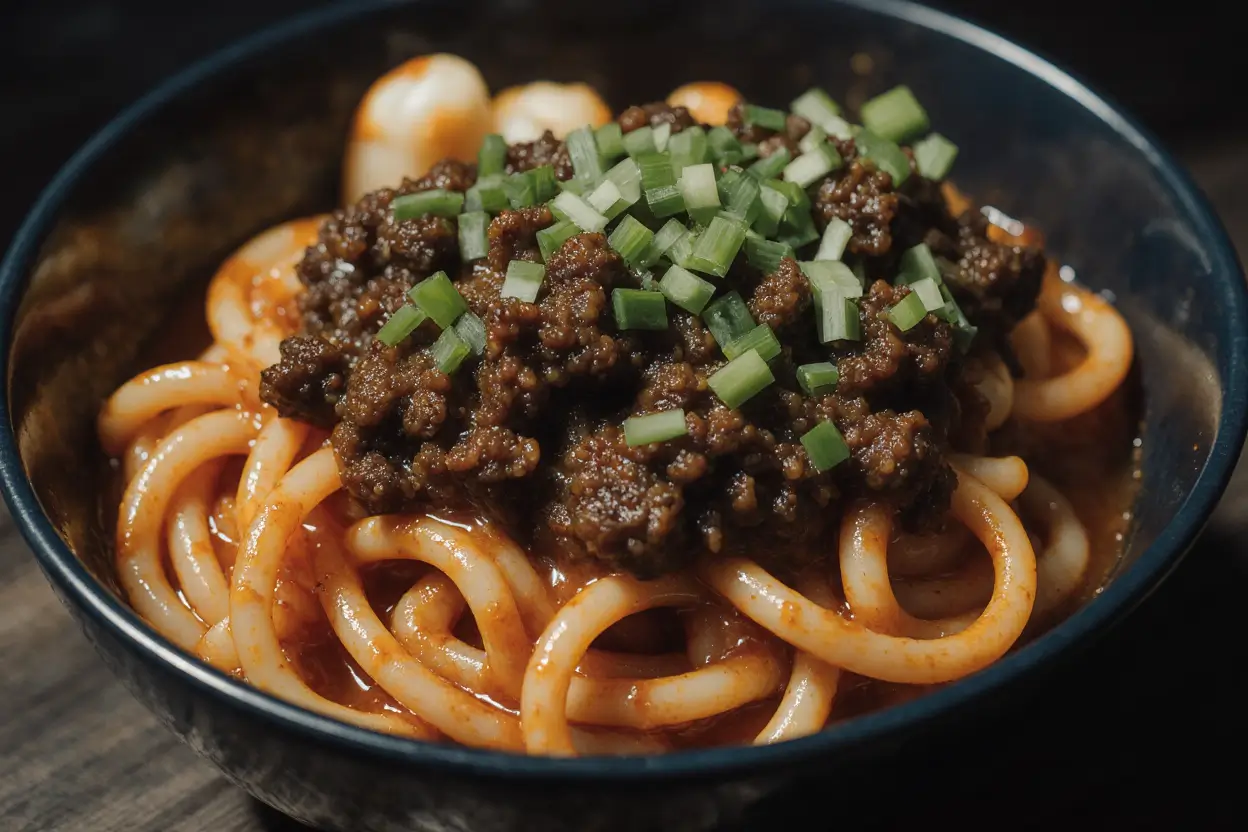
Did you know that restaurant-style Mongolian beef can be recreated at home in just 25 minutes—faster than most delivery times? If you’ve been craving those glossy, caramelized strips of tender beef coated in a sweet-savory sauce, these easy Mongolian beef noodles are your answer to a restaurant-quality dinner without the wait or the price tag. This quick dinner recipe combines succulent beef, crispy vegetables, and perfectly cooked noodles in a sauce so irresistible, you’ll wonder why you ever ordered takeout. Whether you’re a busy parent juggling weeknight meals or a cooking enthusiast looking to expand your Asian-inspired repertoire, this dish delivers maximum flavor with minimal effort.
The beauty of Mongolian beef noodles lies in their versatility and speed. Unlike traditional slow-cooked beef dishes that require hours of preparation, this recipe uses thinly sliced flank steak that cooks in mere minutes while developing that signature caramelized exterior. The sauce—a harmonious blend of soy sauce, brown sugar, ginger, and garlic—creates layers of umami that cling to every strand of noodle and piece of beef. Best of all, this one-pan wonder means less cleanup and more time enjoying your meal.
Ingredients List
For the Beef and Marinade
| Ingredient | Amount | Notes |
|---|---|---|
| Flank steak | 1 lb (450g) | Sliced thin against the grain; sirloin works too |
| Cornstarch | 3 tbsp | Creates crispy coating |
| Vegetable oil | 3 tbsp | Divided; peanut or canola oil preferred |
| Soy sauce (for marinade) | 1 tbsp | Low-sodium recommended |
For the Mongolian Sauce
| Ingredient | Amount | Notes |
|---|---|---|
| Low-sodium soy sauce | 1/2 cup | Use tamari for gluten-free |
| Water | 1/2 cup | Helps balance sauce |
| Brown sugar | 1/2 cup | Dark brown adds deeper flavor |
| Fresh ginger | 1 tbsp | Minced; ground ginger (1 tsp) as substitute |
| Garlic | 4 cloves | Minced fresh |
| Cornstarch slurry | 1 tbsp cornstarch + 2 tbsp water | For thickening |
| Red pepper flakes | 1/2 tsp | Optional, adjust to taste |
For the Noodles and Vegetables
| Ingredient | Amount | Notes |
|---|---|---|
| Lo mein or udon noodles | 12 oz | Rice noodles or spaghetti work |
| Green onions | 6 stalks | Cut into 2-inch pieces |
| Carrots | 1 medium | Julienned or matchstick cut |
| Bell pepper | 1 large | Any color, sliced thin |
| Sesame seeds | 1 tbsp | For garnish |
| Sesame oil | 1 tsp | For finishing |
Timing
Prep Time: 15 minutes
Cook Time: 15 minutes
Total Time: 30 minutes
Servings: 4 generous portions
This recipe clocks in at just 30 minutes from start to finish, which is approximately 40% faster than the average stir-fry recipe that requires extensive prep work. The secret lies in the efficient organization: while your noodles boil, you’ll be coating the beef and preparing your vegetables. By the time the noodles are ready, your sauce will be bubbling and your beef perfectly caramelized. This streamlined approach means you can have dinner on the table faster than most delivery services—and with ingredients you likely already have in your pantry.

Step-by-Step Instructions
Prepare the Beef
Start by placing your flank steak in the freezer for 15-20 minutes before slicing. This firms up the meat, making it significantly easier to achieve those paper-thin slices that are the hallmark of authentic Mongolian beef. Once slightly frozen, remove and slice against the grain into strips about 1/4-inch thick and 2-3 inches long. Place the beef in a bowl, add 1 tablespoon of soy sauce, and toss to coat. Let it sit for 5 minutes while you prepare other ingredients. This brief marination not only adds flavor but also helps tenderize the meat through the enzymatic action of the soy sauce.
Coat the Beef
Add 3 tablespoons of cornstarch to the marinated beef and toss thoroughly until each piece is evenly coated. The cornstarch serves multiple purposes: it creates a protective barrier that keeps the beef tender during high-heat cooking, provides that signature crispy exterior, and helps the sauce adhere beautifully to the meat. Don’t skip this step—it’s what transforms ordinary beef into restaurant-quality Mongolian beef with that glossy, velvety texture.
Cook the Noodles
Bring a large pot of water to a rolling boil and cook your noodles according to package directions, typically 3-4 minutes for fresh noodles or 6-8 minutes for dried. Aim for al dente texture since they’ll continue cooking slightly when tossed with the hot sauce. Drain and rinse briefly under cool water to stop the cooking process, then toss with a teaspoon of sesame oil to prevent sticking. Set aside. Pro tip: reserve about 1/4 cup of the starchy pasta water—it can help loosen the sauce later if needed.
Make the Sauce
In a medium bowl, whisk together 1/2 cup soy sauce, 1/2 cup water, and 1/2 cup brown sugar until the sugar completely dissolves. Add minced ginger, garlic, and red pepper flakes if using. Set this mixture aside. The sauce may seem thin at this stage, but don’t worry—the cornstarch slurry you’ll add later will transform it into that signature thick, glossy coating that defines Mongolian beef.
Sear the Beef
Heat a large wok or heavy-bottomed skillet over high heat until it’s smoking hot. Add 2 tablespoons of vegetable oil and swirl to coat. Working in two batches to avoid overcrowding, add half the coated beef in a single layer. Let it sear undisturbed for 90 seconds—this is crucial for developing that caramelized crust. Flip and cook another 60 seconds until golden brown and crispy on the edges. Remove to a plate and repeat with remaining beef, adding another tablespoon of oil if needed. Overcrowding the pan creates steam instead of sear, resulting in gray, tough meat rather than the crispy, flavorful beef you’re after.
Stir-Fry the Vegetables
In the same wok (don’t clean it—those browned bits are pure flavor), add julienned carrots and sliced bell peppers. Stir-fry for 2-3 minutes until they develop some char but remain crisp-tender. The high heat and residual beef fat will create delicious caramelization on the vegetables. Add the white parts of the green onions (save the green tops for garnish) and cook for another minute. The vegetables should be vibrant and slightly blistered, providing a fresh crunch that contrasts beautifully with the tender beef.
Combine and Thicken
Reduce heat to medium and pour the prepared sauce mixture into the wok with the vegetables. Bring to a simmer, then add your cornstarch slurry (1 tablespoon cornstarch mixed with 2 tablespoons cold water). Stir continuously for about 60-90 seconds as the sauce transforms from thin and watery to thick and glossy. You’ll know it’s ready when it coats the back of a spoon. Return the cooked beef to the wok and toss everything together, ensuring each piece is luxuriously coated in that shiny sauce. Add the cooked noodles and toss gently but thoroughly using tongs, working quickly so the noodles absorb the sauce while maintaining their texture.
Finish and Serve
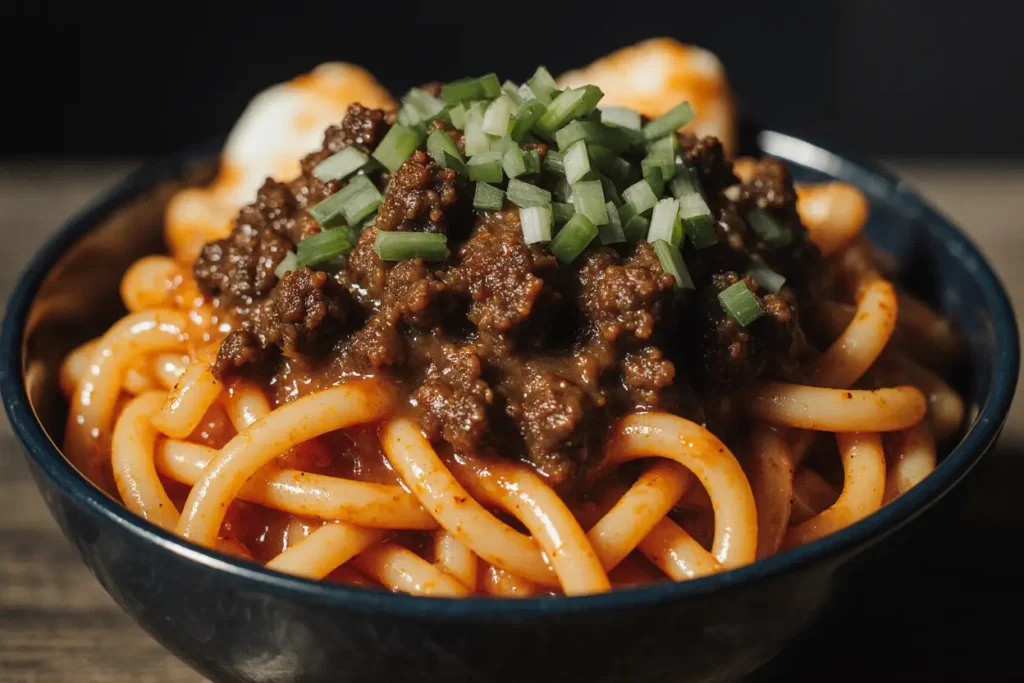
Remove from heat and drizzle with 1 teaspoon of sesame oil for an aromatic finish. Garnish generously with the reserved green onion tops and sesame seeds. The sesame oil adds a nutty depth that ties all the flavors together, while the fresh green onions provide a bright, sharp contrast to the rich, sweet sauce. Serve immediately while the beef is still crispy and the noodles are piping hot.
Nutritional Information
Per Serving (1/4 of recipe):
- Calories: 520
- Protein: 32g
- Carbohydrates: 68g
- Dietary Fiber: 3g
- Sugars: 26g
- Fat: 14g
- Saturated Fat: 3g
- Cholesterol: 65mg
- Sodium: 1,240mg
- Vitamin A: 45% DV
- Vitamin C: 70% DV
- Iron: 20% DV
This dish provides an impressive 32 grams of protein per serving, making it an excellent choice for muscle maintenance and satiety. The beef contributes essential nutrients including iron, zinc, and B vitamins, while the vegetables add fiber, vitamins A and C, and antioxidants. The primary consideration is sodium content at 1,240mg per serving (about 54% of daily value), which can be significantly reduced by using low-sodium soy sauce or coconut aminos. The carbohydrate content comes primarily from the noodles and brown sugar in the sauce, providing quick energy that makes this an ideal post-workout meal or active-day dinner.
Healthier Alternatives for the Recipe
Reduce Sugar: Cut the brown sugar to 1/3 cup and add 2 tablespoons of unsweetened apple sauce or mashed dates for natural sweetness. This modification reduces refined sugar by 30% while maintaining that characteristic caramelized flavor. You can also substitute with coconut sugar, which has a lower glycemic index and adds subtle caramel notes.
Lower Sodium: Swap regular soy sauce for low-sodium soy sauce or coconut aminos, which cuts sodium by 40-50%. You can also dilute your sauce with an extra 1/4 cup of beef broth or water and compensate with umami-rich ingredients like a teaspoon of miso paste or a splash of fish sauce.
Increase Vegetables: Add broccoli florets, snap peas, mushrooms, or baby corn to boost fiber and micronutrient content while reducing the calorie density of the dish. Aim for a 1:1 ratio of vegetables to noodles to create a more balanced, nutrient-dense meal.
Protein Alternatives: Substitute flank steak with chicken breast, pork tenderloin, or for a plant-based version, use firm tofu or tempeh. Press tofu for 15 minutes, then cut into cubes and coat with cornstarch just like the beef. Mushrooms, particularly portobello or shiitake, offer an umami-rich vegetarian alternative that absorbs the sauce beautifully.
Noodle Swaps: Replace traditional wheat noodles with zucchini noodles, shirataki noodles, or edamame pasta for lower carb and higher protein options. Soba noodles made from buckwheat offer more fiber and a nutty flavor that complements the sauce wonderfully. For gluten-free needs, rice noodles or certified gluten-free noodles work perfectly.
Healthier Cooking Method: Instead of pan-frying, try air-frying the cornstarch-coated beef at 400°F for 8-10 minutes, shaking halfway through. This method uses 75% less oil while still achieving that crispy exterior. The result is lighter but equally satisfying.
Serving Suggestions
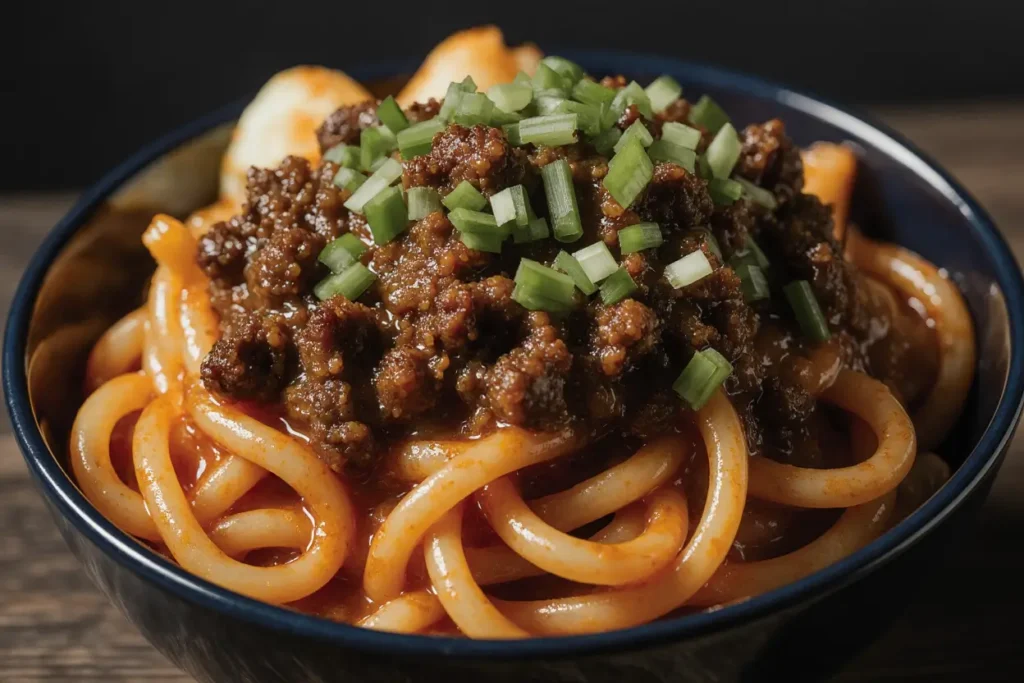
Classic Presentation: Serve your Mongolian beef noodles in wide, shallow bowls that showcase the glossy sauce and colorful vegetables. Garnish with extra green onions sliced on the bias, toasted sesame seeds, and a wedge of lime for brightness. The lime juice, squeezed over just before eating, cuts through the richness and adds a refreshing citrus note.
Family-Style Platter: For gatherings, present the noodles on a large serving platter surrounded by supplementary sides like steamed bok choy, cucumber salad dressed in rice vinegar, and crispy spring rolls. This creates an impressive spread that encourages sharing and conversation.
Lunch Bowl: Transform leftovers into a cold noodle salad by tossing with shredded cabbage, cilantro, mint, and a splash of rice vinegar. Serve chilled or at room temperature for a refreshing work lunch that’s even better the next day as the flavors meld.
Accompaniments: Pair with Asian cucumber salad for a cooling contrast, egg drop soup for a comforting starter, or simple steamed edamame seasoned with sea salt. For beverages, try iced green tea, a crisp lager, or for special occasions, a slightly sweet Riesling that balances the dish’s savory-sweet profile.
Kid-Friendly Version: Serve over plain white rice instead of noodles and dial back the ginger and garlic for younger palates. Let kids customize their bowls with toppings like crispy wonton strips, shredded cheese, or ranch dressing for reluctant vegetable eaters.
Meal Prep Option: Portion into individual containers with noodles on one side and beef-vegetable mixture on the other to prevent sogginess. Reheat in the microwave for 2-3 minutes, and you have a restaurant-quality lunch ready in minutes.
Common Mistakes to Avoid
Not Slicing Beef Thin Enough: Thick chunks of beef will be chewy and won’t develop that signature crispy exterior. The key is paper-thin slices cut against the grain. Partially freezing the meat for 15-20 minutes makes this dramatically easier and ensures even, professional-looking cuts.
Overcrowding the Pan: When too much beef is added at once, it steams rather than sears, resulting in gray, rubbery meat without the caramelized crust. Always cook in batches with space between pieces, even if it takes a few extra minutes. Your patience will be rewarded with restaurant-quality texture.
Using Too Little Heat: Mongolian beef requires high heat to achieve proper caramelization. A common mistake is cooking on medium heat, which causes the beef to simmer in its own juices rather than sear. Your wok or skillet should be smoking hot before adding oil. If you don’t have a wok, use your largest, heaviest skillet to retain heat better.
Skipping the Cornstarch Coating: Some home cooks omit the cornstarch thinking it’s optional, but this coating is essential for three reasons: it creates texture, prevents toughness, and helps sauce adherence. Without it, you’ll have plain beef in sauce rather than the velvety, coated pieces that define this dish.
Adding Sauce Too Early: If you add the sauce before the beef is properly seared, you’ll end up with braised beef rather than crispy, caramelized pieces. Always sear first, remove the beef, then add sauce and return the beef at the end.
Overcooking the Beef: Flank steak cooks incredibly quickly when sliced thin. Leaving it in the pan for more than 2-3 minutes total will result in tough, dry meat. Remember, it will continue cooking slightly from residual heat after you remove it from the pan.
Using Cold Ingredients: Adding cold beef straight from the refrigerator to a hot pan causes temperature drops that prevent proper searing. Let your beef sit at room temperature for 15-20 minutes before cooking for optimal results.
Not Preparing Ingredients in Advance: Stir-frying happens fast—there’s no time to chop vegetables once you start cooking. Have everything measured, cut, and within arm’s reach before you heat the pan. This “mise en place” approach is what separates successful stir-fries from chaotic ones.
Storing Tips for the Recipe
Refrigerator Storage: Store cooled Mongolian beef noodles in an airtight container in the refrigerator for up to 4 days. For best results, store the noodles and beef-sauce mixture separately to prevent the noodles from absorbing too much sauce and becoming mushy. When stored together, the noodles will soften considerably but remain delicious. Let the dish cool to room temperature before refrigerating, but don’t leave it out for more than 2 hours to prevent bacterial growth.
Freezer Storage: While noodles don’t freeze particularly well due to texture changes, you can freeze the beef and sauce mixture for up to 3 months. Portion into freezer-safe containers or heavy-duty freezer bags, removing as much air as possible. Label with the date and contents. Thaw overnight in the refrigerator and reheat gently, then serve over freshly cooked noodles for the best texture.
Reheating Instructions: For refrigerated leftovers, the microwave works well—heat in 1-minute intervals, stirring between, until steaming hot throughout. Add a tablespoon of water or broth if the sauce has thickened too much. For stovetop reheating, add the noodles to a hot wok or skillet with a splash of water or oil, tossing constantly for 3-4 minutes until heated through. The high heat will revive some of the texture that’s lost during refrigeration.
Make-Ahead Strategy: Prepare components separately for quick assembly on busy nights. Slice and marinate the beef up to 24 hours in advance, store the prepared sauce in a jar in the refrigerator for up to a week, and julienne vegetables 1-2 days ahead. When you’re ready to cook, you’ll have everything prepped and ready for a 15-minute meal.
Portion Control: If meal prepping, divide into individual servings of approximately 1.5 cups per container. This provides proper portion sizes and makes it easy to grab a quick lunch or dinner without the temptation of overeating.
Conclusion
Easy Mongolian beef noodles deliver everything you want in a weeknight dinner: bold flavors, satisfying textures, and impressive presentation—all in just 30 minutes. This recipe proves that restaurant-quality Asian cuisine doesn’t require specialized equipment, hard-to-find ingredients, or years of culinary training. By mastering a few simple techniques—slicing beef thin, coating with cornstarch, and maintaining high heat—you’ll create a dish that rivals your favorite takeout while being healthier, fresher, and more economical.
The beauty of this recipe lies in its adaptability. Whether you’re cooking for picky children, health-conscious adults, or adventurous food lovers, you can customize the vegetables, adjust the sweetness, or modify the protein to suit any preference or dietary need. Once you’ve mastered the basic technique, you’ll find yourself returning to this recipe again and again, experimenting with variations and making it your own signature dish.
Ready to transform your weeknight dinner routine? Grab your wok, slice that beef, and experience the satisfaction of creating restaurant-quality Mongolian beef noodles in your own kitchen. Don’t forget to share your results—snap a photo of your creation and tag us on social media. We’d love to see your delicious interpretations! Looking for more quick Asian-inspired dinners? Check out our recipes for 20-Minute Chicken Fried Rice and Spicy Korean Beef Bowls for equally impressive weeknight meals.
FAQs
Can I use a different cut of beef?
Absolutely! While flank steak is traditional and offers the best balance of flavor, tenderness, and affordability, you can substitute with skirt steak, sirloin, or even ribeye if you’re feeling indulgent. The key is to slice whatever cut you choose very thinly against the grain. For budget-friendly options, look for “stir-fry beef” at your grocery store, which is often pre-sliced and ready to use. Avoid tougher cuts like chuck or round unless you’re willing to marinate them for several hours or tenderize mechanically.
What if I don’t have a wok?
A wok isn’t essential for great Mongolian beef noodles, though its shape does help with heat distribution. Your best alternative is a large (12-inch or larger), heavy-bottomed skillet, preferably cast iron or stainless steel, which retains heat well. Avoid nonstick pans for this recipe as they can’t handle the high temperatures needed for proper caramelization. The most important factor is having enough surface area to prevent crowding and maintaining very high heat throughout cooking.
Can I make this gluten-free?
Yes, with simple substitutions! Replace regular soy sauce with tamari or gluten-free soy sauce, and use rice noodles or gluten-free pasta instead of wheat-based noodles. Ensure your cornstarch is certified gluten-free (most are, but always check labels). The rest of the ingredients are naturally gluten-free. The result will be just as delicious with no compromise in flavor or texture.
How can I make it spicier?
Increase the red pepper flakes to 1-2 teaspoons, or add fresh Thai chilies, sliced thin, when you cook the vegetables. For maximum heat, stir in 1-2 tablespoons of sriracha or sambal oelek into the sauce. You can also serve with chili crisp oil on the side, allowing everyone to customize their heat level. Remember that the brown sugar in the sauce will balance spiciness, so you may need to add more heat than you’d expect.
Why is my sauce watery?
This usually happens when the cornstarch slurry isn’t mixed properly or the sauce isn’t simmered long enough. Always mix cornstarch with cold water completely before adding to prevent clumping, and make sure your sauce comes to a full simmer for at least 60-90 seconds after adding the slurry. If your sauce is still thin, mix another tablespoon of cornstarch with 2 tablespoons of water and add gradually until you reach the desired consistency. Conversely, if it’s too thick, thin with water or broth one tablespoon at a time.
Can I prep this recipe in advance?
Yes! Slice the beef, make the sauce, and prep vegetables up to 24 hours ahead. Store everything separately in the refrigerator. When you’re ready to cook, the actual cooking time is only about 15 minutes. You can even coat the beef in cornstarch a few hours in advance, though it develops the crispiest coating when applied just before cooking. For even faster execution, cook the noodles ahead and toss with a bit of sesame oil to prevent sticking. Reheat briefly in your wok before adding the sauce.
What’s the best noodle type to use?
Fresh or dried lo mein noodles are traditional and offer the perfect chewy texture, but udon noodles provide a heartier, more substantial bite. Rice noodles work beautifully for a gluten-free version, while soba noodles add a nutty complexity. In a pinch, regular spaghetti or linguine work surprisingly well. The key is cooking to al dente and rinsing briefly to prevent over-softening when tossed with the hot sauce. For low-carb versions, try zucchini noodles or shirataki noodles, though these have distinctly different textures.
My beef turned out tough. What went wrong?
Tough beef typically results from one of three issues: slicing with the grain instead of against it, cooking at too low a temperature, or overcooking. Flank steak has prominent muscle fibers that must be cut perpendicular to the grain for tenderness. Additionally, if your pan isn’t hot enough or you cook the beef for more than 2-3 minutes total, it will toughen. Remember, thin slices of beef cook incredibly quickly—90 seconds on the first side, 60 seconds on the second side is usually perfect. The beef will continue cooking slightly from residual heat.
Easy Mongolian Beef Noodles |Quick Dinner