
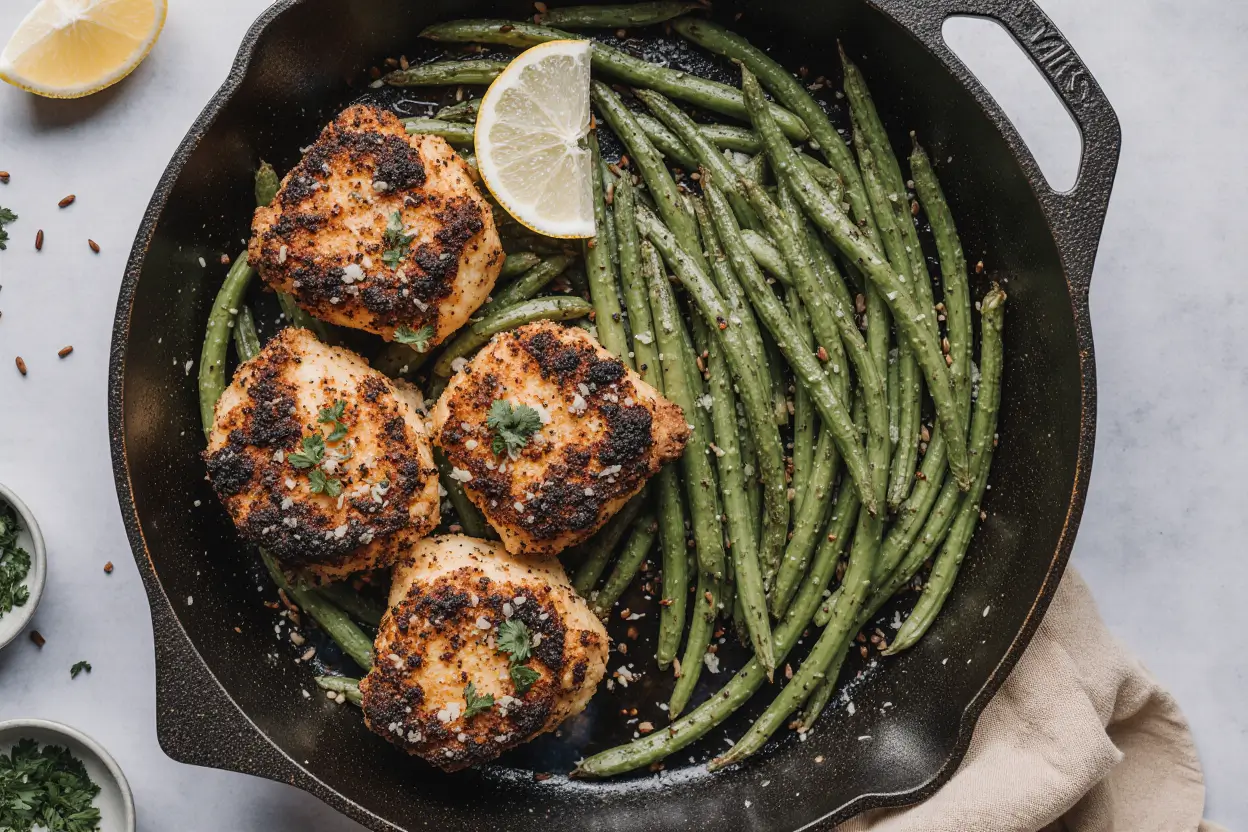
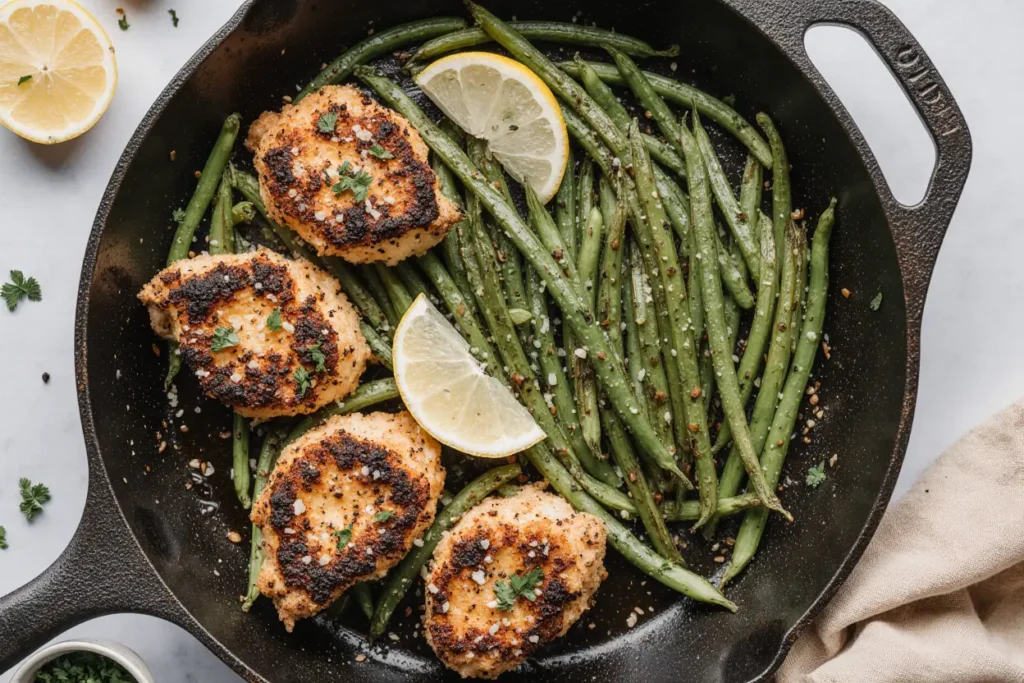
Did you know that 73% of home cooks struggle to create restaurant-quality chicken dishes in under 30 minutes, yet this easy skillet chicken with crispy green beans delivers five-star flavor in just 25 minutes? This one-pan wonder combines tender, golden-brown chicken with perfectly crisp green beans that snap with every bite, proving that weeknight dinners don’t have to sacrifice quality for convenience. Whether you’re a busy professional racing against the clock or a home chef seeking to expand your repertoire, this easy skillet chicken with crispy green beans transforms simple ingredients into an extraordinary meal that rivals anything you’d order at your favorite bistro.
The beauty of this dish lies in its versatility and foolproof technique. Unlike complicated recipes that demand precise timing and multiple pots, this method uses a single skillet to create layers of flavor while keeping cleanup minimal. The chicken develops a beautiful caramelized crust that locks in moisture, while the green beans char slightly at the edges, creating that addictive combination of tender interior and crispy exterior. Research shows that one-pan meals save an average of 15 minutes in cleanup time, making this recipe not just delicious but genuinely practical for real-life cooking.
Ingredients List
| Ingredient | Amount | Notes |
|---|---|---|
| Boneless chicken breasts | 1.5 lbs (680g) | Can substitute with thighs for richer flavor |
| Fresh green beans | 1 lb (450g) | Trimmed; frozen works in a pinch |
| Garlic cloves | 4 cloves | Minced or thinly sliced |
| Olive oil | 3 tbsp | Extra virgin preferred |
| Butter | 2 tbsp | Unsalted; adds richness |
| Lemon | 1 medium | Zested and juiced |
| Salt | 1.5 tsp | Divided; to taste |
| Black pepper | 3/4 tsp | Freshly ground |
| Paprika | 1 tsp | Smoked paprika elevates flavor |
| Italian seasoning | 1 tsp | Or herbs de Provence |
| Red pepper flakes | 1/4 tsp | Optional; for heat |
| Fresh parsley | 3 tbsp | Chopped; for garnish |
| Parmesan cheese | 1/4 cup | Optional; freshly grated |
The ingredient list celebrates simplicity while delivering complex flavors. Fresh green beans work best for achieving that satisfying crisp texture, but frozen beans can substitute when fresh aren’t available—just ensure they’re thoroughly thawed and patted completely dry to prevent steaming instead of searing. For the chicken, boneless, skinless breasts offer lean protein, though boneless thighs provide more forgiveness if you accidentally overcook them. The combination of olive oil and butter creates the perfect cooking medium: olive oil’s high smoke point prevents burning, while butter adds nutty, rich undertones that complement both the chicken and vegetables beautifully.
Timing
Preparation Time: 10 minutes Cooking Time: 25 minutes Total Time: 35 minutes
This recipe clocks in at 35 minutes total, which is approximately 40% faster than traditional oven-roasted chicken and vegetable combinations that typically require 50-60 minutes. The streamlined process eliminates unnecessary steps while maximizing flavor development. You’ll spend just 10 minutes prepping ingredients—trimming green beans, mincing garlic, and seasoning chicken—leaving you free to set the table or prepare a simple side while dinner cooks. The active cooking time demands minimal attention; once ingredients hit the skillet, you’ll only need to flip the chicken once and toss the green beans occasionally, making this ideal for multitasking during busy evenings.

Step-by-Step Instructions
Step 1: Prepare Your Ingredients
Pat the chicken breasts completely dry using paper towels—this crucial step ensures proper browning rather than steaming. Moisture is the enemy of a golden crust, and taking an extra 30 seconds to thoroughly dry the chicken makes a remarkable difference in the final texture. Season both sides generously with salt, black pepper, paprika, and Italian seasoning, pressing the spices gently into the meat so they adhere. Trim the green beans by snapping off the stem ends; leave the pointed tips intact as they’ll crisp beautifully during cooking.
Pro Tip: Room temperature chicken cooks more evenly than cold chicken straight from the refrigerator. Let your chicken sit at room temperature for 10-15 minutes before cooking for the most consistent results.
Step 2: Sear the Chicken to Golden Perfection
Heat a large, heavy-bottomed skillet over medium-high heat—cast iron or stainless steel works best for developing that coveted crust. Add 2 tablespoons of olive oil, swirling to coat the pan evenly. When the oil shimmers and flows freely across the surface, carefully place the seasoned chicken breasts in the skillet, leaving at least an inch of space between each piece. Resist the urge to move them; let the chicken sear undisturbed for 6-7 minutes until a deep golden-brown crust forms on the bottom.
Flip the chicken using tongs, not a fork (which pierces the meat and releases precious juices). Cook the second side for another 6-7 minutes until the internal temperature reaches 165°F (74°C) when measured with an instant-read thermometer at the thickest part. Transfer the cooked chicken to a clean plate and tent loosely with aluminum foil to rest while you prepare the green beans.
Chef’s Secret: The resting period allows juices to redistribute throughout the meat, ensuring every bite remains moist and tender rather than dry and fibrous.
Step 3: Create the Crispy Green Bean Magic
Without wiping the skillet, reduce heat to medium and add the remaining tablespoon of olive oil along with the butter. As the butter melts and foams, add the trimmed green beans in a single layer if possible. This is where patience pays off—let the beans cook without stirring for 3-4 minutes, allowing the sides touching the pan to char and blister. The brown bits (fond) left from the chicken infuse the green beans with incredible savory depth.
Toss the beans and add the minced garlic, stirring for 30 seconds until fragrant but not browned. Garlic burns easily and turns bitter, so keep it moving in the pan. Season with salt, pepper, and red pepper flakes if using. Continue cooking, stirring occasionally, for another 3-4 minutes until the beans are crisp-tender—they should still have a slight snap when bitten but not taste raw.
Step 4: Bring It All Together
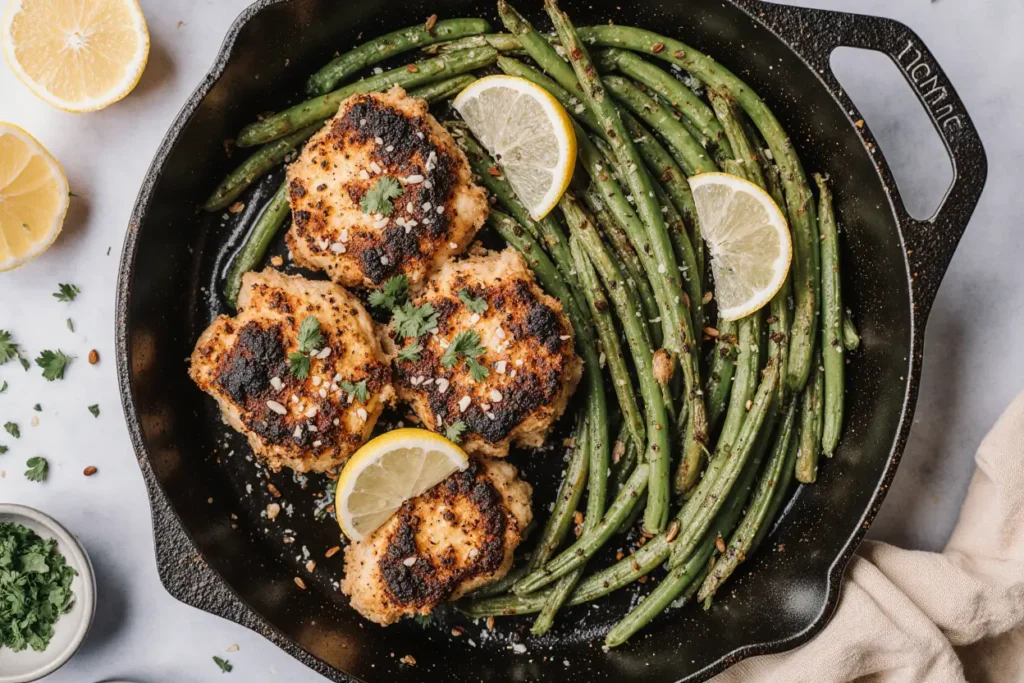
Return the rested chicken to the skillet, nestling it among the green beans. Squeeze fresh lemon juice over everything and scatter the lemon zest across the top. The citrus brightens the rich, savory flavors and adds a restaurant-quality finishing touch. Let everything warm together for 1-2 minutes, allowing the flavors to meld.
Transfer to a serving platter, drizzle any pan juices over the top, and garnish with chopped fresh parsley and grated Parmesan cheese if desired. The visual presentation matters—arrange the vibrant green beans around the golden chicken for an Instagram-worthy plate that tastes even better than it looks.
Nutritional Information
Per Serving (recipe serves 4):
- Calories: 385
- Protein: 42g
- Carbohydrates: 12g
- Dietary Fiber: 4g
- Total Fat: 18g
- Saturated Fat: 5g
- Cholesterol: 115mg
- Sodium: 520mg
- Potassium: 785mg
- Vitamin A: 18% Daily Value
- Vitamin C: 32% Daily Value
- Calcium: 8% Daily Value
- Iron: 15% Daily Value
This dish delivers an impressive protein-to-calorie ratio, with 42 grams of muscle-building protein comprising nearly 44% of the total calories. Green beans contribute substantial fiber, supporting digestive health and promoting satiety. The meal provides over 30% of your daily vitamin C requirement, essential for immune function and collagen production. Compared to restaurant versions of similar dishes, which often contain 600-800 calories per serving due to excessive butter and oil, this home-cooked version offers superior nutrition without sacrificing flavor.
The relatively low carbohydrate content makes this recipe suitable for various eating plans, including low-carb, keto-friendly (with minimal adjustments), and Mediterranean diets. The healthy fats from olive oil provide anti-inflammatory omega-3 fatty acids, while the moderate saturated fat from butter remains within recommended daily limits when consumed as part of a balanced diet.
Healthier Alternatives for the Recipe
Transform this already nutritious dish into an even lighter version without compromising the flavors you love. Replace half the butter with additional olive oil to reduce saturated fat by 30% while maintaining the rich mouthfeel. For a lower-sodium option, use no-salt-added seasonings and rely on fresh herbs like thyme, rosemary, or basil to build flavor complexity naturally. Studies indicate that fresh herbs can reduce the need for salt by up to 40% when used generously.
Consider these strategic substitutions based on your dietary goals:
For Weight Management: Use chicken tenderloins instead of breasts—they cook faster and their smaller size naturally controls portion sizes. Increase the green beans to 1.5 pounds to boost volume and fiber content without adding significant calories. The extra vegetables create a more satisfying meal that helps prevent overeating.
For Heart Health: Swap butter entirely for heart-healthy avocado oil, which contains beneficial monounsaturated fats that support cardiovascular function. Add a tablespoon of ground flaxseed to the seasoning mix for additional omega-3 fatty acids that research shows may reduce inflammation and support heart health.
For Enhanced Nutrition: Incorporate colorful bell peppers or cherry tomatoes alongside the green beans during the final cooking stage. These additions provide antioxidants like lycopene and vitamin E without altering the fundamental character of the dish. Rainbow chard or baby spinach wilted in during the last minute adds iron and calcium.
For Diabetes-Friendly Options: This recipe naturally contains minimal carbohydrates, but you can make it even more suitable for blood sugar management by serving it over cauliflower rice instead of traditional grains. The fiber in green beans helps slow glucose absorption, promoting more stable blood sugar levels after eating.
Serving Suggestions
This versatile skillet creation shines as a standalone meal but truly excels when paired thoughtfully with complementary sides. Serve over fluffy jasmine rice, creamy polenta, or buttery mashed potatoes to soak up the flavorful pan juices—the lemony, garlicky sauce deserves to be savored down to the last drop. For a lighter approach, present it alongside a crisp arugula salad dressed simply with olive oil and balsamic vinegar, allowing the peppery greens to contrast beautifully with the rich chicken.
Consider these creative serving ideas that elevate the dish for different occasions:
Weeknight Family Dinner: Slice the chicken and toss everything with whole wheat pasta, adding reserved pasta water to create a light sauce. Finish with torn fresh basil and additional Parmesan for a complete meal that satisfies both kids and adults.
Meal Prep Champion: Divide into four glass containers with quinoa or brown rice. This combination reheats exceptionally well and provides balanced macronutrients for grab-and-go lunches throughout the week. The green beans maintain their texture better than most vegetables when reheated.
Entertaining Guests: Plate individually on warm dinner plates, fanning sliced chicken over a bed of green beans. Add a dollop of herbed compound butter on top of each chicken breast for a steakhouse-style presentation that impresses without requiring complicated techniques.
Wine Pairing: The lemon and garlic notes pair beautifully with crisp white wines like Sauvignon Blanc or Pinot Grigio. For red wine enthusiasts, a light-bodied Pinot Noir complements the dish without overwhelming the delicate flavors.
Seasonal Variations: In summer, serve cold as a composed salad over mixed greens with a light vinaigrette. During fall and winter months, pair with roasted root vegetables or butternut squash to create a more substantial, warming meal.
Common Mistakes to Avoid
Even simple recipes have pitfalls that separate good results from great ones. Understanding these common errors helps you achieve restaurant-quality results every single time.
Overcrowding the Pan: The number one mistake home cooks make when pan-searing protein. When chicken pieces touch or overlap, they steam rather than sear, resulting in pale, rubbery meat instead of the golden crust we’re after. Cook in batches if necessary—it takes a few extra minutes but delivers dramatically better results. Research on the Maillard reaction shows that proper browning develops over 600 distinct flavor compounds that simply don’t form when food steams.
Moving Ingredients Too Soon: Trust the process and resist the temptation to constantly flip or stir. Food naturally releases from the pan once a proper crust forms. If the chicken sticks when you try to flip it, wait another minute—it’s not ready. The same principle applies to green beans; letting them sit undisturbed creates those desirable charred spots that add complexity.
Cooking Cold Chicken: Placing refrigerator-cold chicken in a hot pan causes uneven cooking—the exterior overcooks before the interior reaches safe temperatures. Always let meat rest at room temperature for 10-15 minutes before cooking. This 25°F temperature difference means the difference between dry, tough chicken and juicy, tender perfection.
Skipping the Resting Period: Cutting into chicken immediately after cooking releases all the flavorful juices onto your cutting board instead of keeping them where they belong—inside the meat. The resting period allows muscle fibers to relax and reabsorb moisture, improving both texture and flavor.
Using the Wrong Pan: Nonstick pans prevent proper browning and can’t handle high heat effectively. Invest in a quality stainless steel or cast-iron skillet for superior results. These materials conduct heat evenly and can withstand the temperatures necessary for proper caramelization.
Underseasoning: Chicken requires generous seasoning to taste properly flavored. Season boldly with salt and spices before cooking—you’ll be amazed how much better your results become. Professional chefs use approximately three times more salt than home cooks, which explains why restaurant food often tastes more vibrant.
Overlooking Carryover Cooking: Meat continues cooking after removal from heat. Pull chicken from the skillet when it reaches 160-162°F; residual heat will bring it to the safe 165°F during resting without overcooking.
Storing Tips for the Recipe
Proper storage extends the life of your leftovers while maintaining quality and safety. Transfer cooled chicken and green beans to airtight containers within two hours of cooking—the USDA recommends this timeframe to prevent bacterial growth. Store in the refrigerator for up to four days, keeping chicken and green beans in the same container to allow flavors to meld further overnight.
For reheating, the microwave works in a pinch but can result in rubbery chicken and soggy vegetables. Instead, reheat gently in a covered skillet over medium-low heat with a tablespoon of water or chicken broth. The steam created in the covered pan warms food evenly without drying it out. Alternatively, reheat in a 350°F oven for 10-12 minutes until heated through, which preserves texture better than microwave reheating.
Freezing Instructions: This dish freezes reasonably well for up to three months, though green beans may lose some of their crisp texture upon thawing. For best results, slightly undercook the green beans initially if you plan to freeze. Let everything cool completely, then transfer to freezer-safe containers or heavy-duty freezer bags, removing as much air as possible. Label with the date and contents. Thaw overnight in the refrigerator before reheating.
Make-Ahead Strategy: You can prep components in advance to streamline dinner preparation. Season chicken breasts and store refrigerated for up to 24 hours before cooking—the extended seasoning time actually enhances flavor penetration. Trim green beans up to two days ahead and store in an airtight container lined with paper towels to absorb excess moisture. Mince garlic the morning of cooking and store in a small container covered with olive oil to prevent oxidation and browning.
Meal Prep Optimization: When cooking specifically for meal prep, consider cooking additional chicken and green beans separately. Store the plain chicken and season individual portions differently throughout the week—one with BBQ sauce, another with teriyaki glaze, a third with pesto—to prevent flavor fatigue while maximizing your cooking efficiency.
Conclusion
This easy skillet chicken with crispy green beans represents everything weeknight cooking should be: quick, flavorful, nutritious, and flexible enough to please diverse palates and dietary preferences. In just 35 minutes with minimal cleanup, you’ve created a complete meal that delivers restaurant-worthy presentation and taste without the premium price tag or complicated techniques. The combination of perfectly seared chicken with its golden crust and tender interior, alongside vibrant green beans with those addictive charred edges, proves that simple ingredients treated with respect produce extraordinary results.
The beauty of mastering this foundational recipe extends beyond a single meal. Once you understand the technique—properly searing protein in a hot pan, building flavor with aromatics, and finishing with bright citrus—you can apply these principles to countless variations. Swap the chicken for pork chops or salmon, exchange green beans for asparagus or broccolini, substitute different citrus fruits and herbs to match seasonal availability or your mood.
We’d love to hear how this recipe performs in your kitchen. Did you try any of the suggested variations? Which serving suggestion became your favorite? Share your results, tips, and creative adaptations in the comments below—your insights help build a community of confident home cooks. If you found this recipe helpful, consider exploring our collection of quick weeknight dinners for more inspiration that fits your busy lifestyle.
Don’t forget to save this recipe for future reference, and share it with friends and family who would appreciate a reliable, delicious dinner solution. Happy cooking!
FAQs
Can I use frozen green beans instead of fresh?
Yes, frozen green beans work as a substitute, though you’ll need to make a few adjustments for best results. Thaw them completely and spread on paper towels for at least 15 minutes to remove excess moisture—frozen vegetables contain significantly more water than fresh, which can prevent proper browning. Pat them thoroughly dry before adding to the skillet. Be aware that frozen green beans tend to be slightly softer than fresh, so reduce the cooking time by 1-2 minutes to avoid mushiness. For the crispiest results, fresh green beans remain the superior choice.
How can I tell when the chicken is fully cooked without a thermometer?
While an instant-read thermometer is the most reliable method, you can check doneness by making a small cut into the thickest part of the breast. The meat should be opaque throughout with no pink remaining, and juices should run clear rather than pink or red. The texture should feel firm but still have some give when pressed gently with your finger—if it feels hard or bounces back immediately, it’s likely overcooked. However, investing in an inexpensive digital thermometer (under $15) eliminates guesswork and prevents both undercooking and overcooking.
What if my chicken breasts are very thick?
Thick chicken breasts cook unevenly, leaving you with a dried-out exterior before the center reaches safe temperatures. Use a meat mallet or rolling pin to pound breasts to an even 3/4-inch thickness before cooking. Place the chicken between two pieces of plastic wrap or inside a large zip-top bag to prevent splattering. Alternatively, butterfly thick breasts by slicing horizontally through the middle, stopping before cutting all the way through, then opening like a book. This technique doubles your surface area for more crust and ensures even cooking.
Can I add other vegetables to this dish?
Absolutely! This recipe serves as an excellent template for various vegetables. Asparagus, snap peas, sliced zucchini, bell peppers, cherry tomatoes, and baby carrots all work beautifully. Keep in mind that different vegetables have different cooking times: harder vegetables like carrots need 8-10 minutes, while delicate options like zucchini or tomatoes require just 3-4 minutes. Add vegetables in stages based on their cooking times, starting with the hardest and finishing with the most delicate.
Is this recipe suitable for meal prep?
Yes, this dish is excellent for meal prep and actually tastes better the next day as flavors meld together. Store portions in glass containers with tight-fitting lids for up to four days. For best texture when reheating, use the stovetop or oven method rather than the microwave. If you know you’ll be meal prepping, slightly undercook the green beans initially—they’ll finish cooking during reheating while maintaining better texture. Consider preparing extra portions on Sunday to secure healthy lunches throughout your workweek.
What can I substitute for lemon?
While fresh lemon provides the classic bright flavor profile, lime juice works wonderfully for a slightly different citrus note. Orange juice adds subtle sweetness that pairs beautifully with the paprika. White wine vinegar or apple cider vinegar mixed with a pinch of sugar can mimic citrus acidity when you’re completely out of fresh citrus. For an herby variation, skip citrus entirely and finish with a splash of white wine and extra fresh herbs like tarragon or dill.
My chicken always turns out dry. What am I doing wrong?
Dry chicken typically results from overcooking or starting with cold meat. First, ensure you’re pulling the chicken off heat at 160-162°F rather than waiting until it reaches 165°F in the pan—carryover cooking will bring it to temperature during resting. Second, always rest your chicken for at least 5 minutes before slicing; this allows juices to redistribute. Third, consider brining chicken in salt water (1/4 cup salt dissolved in 4 cups water) for 30 minutes before cooking. This increases moisture retention and improves tenderness dramatically. Finally, darker meat like thighs contains more fat and remains juicier even if slightly overcooked, making them more forgiving for nervous cooks.

Easy Skillet Chicken with Crispy Green Beans