
Did you know that mushrooms contain nearly 90% of the essential amino acids found in meat, making them the perfect base for plant-based meatballs that even omnivores crave? If you’ve been searching for an easy vegan mushroom meatballs appetizer that delivers on taste, texture, and nutrition without spending hours in the kitchen, you’re about to discover a recipe that will transform your perception of plant-based cooking. These savory, umami-packed bites prove that vegan appetizers can be just as satisfying and crowd-pleasing as their traditional counterparts, and they come together in less time than you’d spend waiting for takeout.
The beauty of this easy vegan mushroom meatballs appetizer lies in its simplicity and versatility. Whether you’re hosting a dinner party, meal prepping for the week, or simply looking to incorporate more plant-based meals into your diet, these mushroom meatballs deliver restaurant-quality results with minimal effort. The earthy richness of mushrooms combined with aromatic herbs and a perfectly crispy exterior creates a flavor profile that satisfies even the most skeptical eaters. Best of all, this recipe requires no special equipment or hard-to-find ingredients, just straightforward techniques that guarantee success every single time.
Ingredients List
| Ingredient | Amount | Notes |
|---|---|---|
| Cremini or button mushrooms | 500g (about 4 cups) | Finely chopped or pulsed |
| Walnuts | 3/4 cup | Raw, finely chopped |
| Rolled oats | 1 cup | Use gluten-free if needed |
| Flax egg | 1 (1 tbsp ground flax + 3 tbsp water) | Binding agent |
| Onion (finely diced) | 1 medium | Yellow or white preferred |
| Garlic | 4 cloves | Minced fresh |
| Soy sauce or tamari | 2 tbsp | Adds umami depth |
| Tomato paste | 2 tbsp | Enhances savory notes |
| Nutritional yeast | 3 tbsp | Optional but recommended |
| Italian seasoning | 2 tsp | Or mix of basil, oregano, thyme |
| Smoked paprika | 1 tsp | Adds depth and color |
| Salt | 1 tsp | Adjust to taste |
| Black pepper | 1/2 tsp | Freshly ground |
| Fresh parsley | 1/4 cup | Chopped, plus extra for garnish |
| Olive oil | 2-3 tbsp | For cooking and coating |
Ingredient Notes: The mushrooms are the star here, providing meaty texture and umami flavor. Cremini mushrooms offer a deeper, earthier taste than white button mushrooms, but either works beautifully. Walnuts add healthy fats and help bind the mixture while contributing a subtle nutty richness. If you have a tree nut allergy, sunflower seeds make an excellent substitution. The flax egg acts as a binder, creating that essential hold that keeps these meatballs from falling apart during cooking.
Timing
Preparation Time: 20 minutes
Cooking Time: 25 minutes
Total Time: 45 minutes
Yield: Approximately 24-28 meatballs (serves 6-8 as an appetizer)
This recipe clocks in at just 45 minutes from start to finish, which is approximately 35% faster than traditional meat-based meatball recipes that require lengthy browning and simmering times. The efficiency comes from the quick-cooking nature of mushrooms and the oven-baking method, which allows you to cook multiple batches simultaneously without constant monitoring. If you’re meal prepping, you can double the recipe without adding significant time, as the oven does most of the work while you focus on other tasks.

Step-by-Step Instructions
Prepare Your Flax Egg
Begin by mixing one tablespoon of ground flaxseed with three tablespoons of water in a small bowl. Stir well and set aside for at least five minutes to thicken and gel. This flax egg will become viscous and sticky, providing the binding properties traditionally offered by chicken eggs. While it sets, you can move forward with preparing your other ingredients, maximizing your kitchen efficiency.
Process the Mushrooms
Clean your mushrooms by wiping them with a damp paper towel rather than washing them under running water, as mushrooms are like sponges and absorb excess moisture that can make your meatballs soggy. Remove the stems (save them for stocks or other recipes) and roughly chop the caps. You have two options here: finely chop them by hand for a more rustic, varied texture, or pulse them in a food processor for about 10-12 pulses until they reach a ground meat consistency. Avoid over-processing, as you want small pieces, not mushroom puree. The goal is a texture similar to coarsely ground meat.
Sauté the Aromatics and Mushrooms
Heat one tablespoon of olive oil in a large skillet over medium-high heat. Add the diced onion and sauté for 3-4 minutes until it becomes translucent and fragrant. Add the minced garlic and cook for another minute, stirring constantly to prevent burning. Now add your processed mushrooms to the pan along with a pinch of salt. This is a critical step: cook the mushrooms for 8-10 minutes, stirring occasionally, until they release their moisture and it completely evaporates. You’ll notice the mushrooms will first release liquid and the pan will look wet, then gradually that moisture will cook off and the mushrooms will begin to brown slightly. This concentration of flavors is essential for creating meatballs with deep, savory taste rather than bland, watery ones. Remove from heat and let cool for five minutes.
Prepare the Walnut-Oat Base
While the mushroom mixture cools, add your walnuts to a food processor and pulse 8-10 times until they’re finely chopped but not turned into butter. You want small pieces that will integrate into the mixture seamlessly. Transfer to a large mixing bowl. Add the rolled oats to the same food processor and pulse 5-6 times to break them down into a coarse flour, which helps absorb moisture and create a better binding texture. Add this to the bowl with the walnuts.
Combine and Mix
Add the cooled mushroom mixture to your bowl along with the flax egg, soy sauce, tomato paste, nutritional yeast, Italian seasoning, smoked paprika, salt, pepper, and fresh parsley. Using your hands or a sturdy spoon, mix everything thoroughly until well combined. The mixture should hold together when pressed but not be overly wet or dry. If it feels too wet to form balls, add a tablespoon or two more of oat flour. If it’s too dry and crumbly, add a tablespoon of water or olive oil. Let the mixture rest for five minutes, which allows the oats to absorb moisture and makes forming the meatballs much easier.
Shape the Meatballs
Preheat your oven to 375°F (190°C) and line a baking sheet with parchment paper or a silicone baking mat. Lightly oil your hands to prevent sticking. Scoop about 1.5 tablespoons of the mixture and roll it between your palms to form a ball roughly the size of a golf ball. Place each meatball on the prepared baking sheet, spacing them about an inch apart. They won’t expand during cooking, so you can fit quite a few on one sheet. Once all meatballs are formed, lightly brush or spray them with olive oil. This step is crucial for achieving that golden, slightly crispy exterior that makes these meatballs so irresistible.
Bake to Perfection
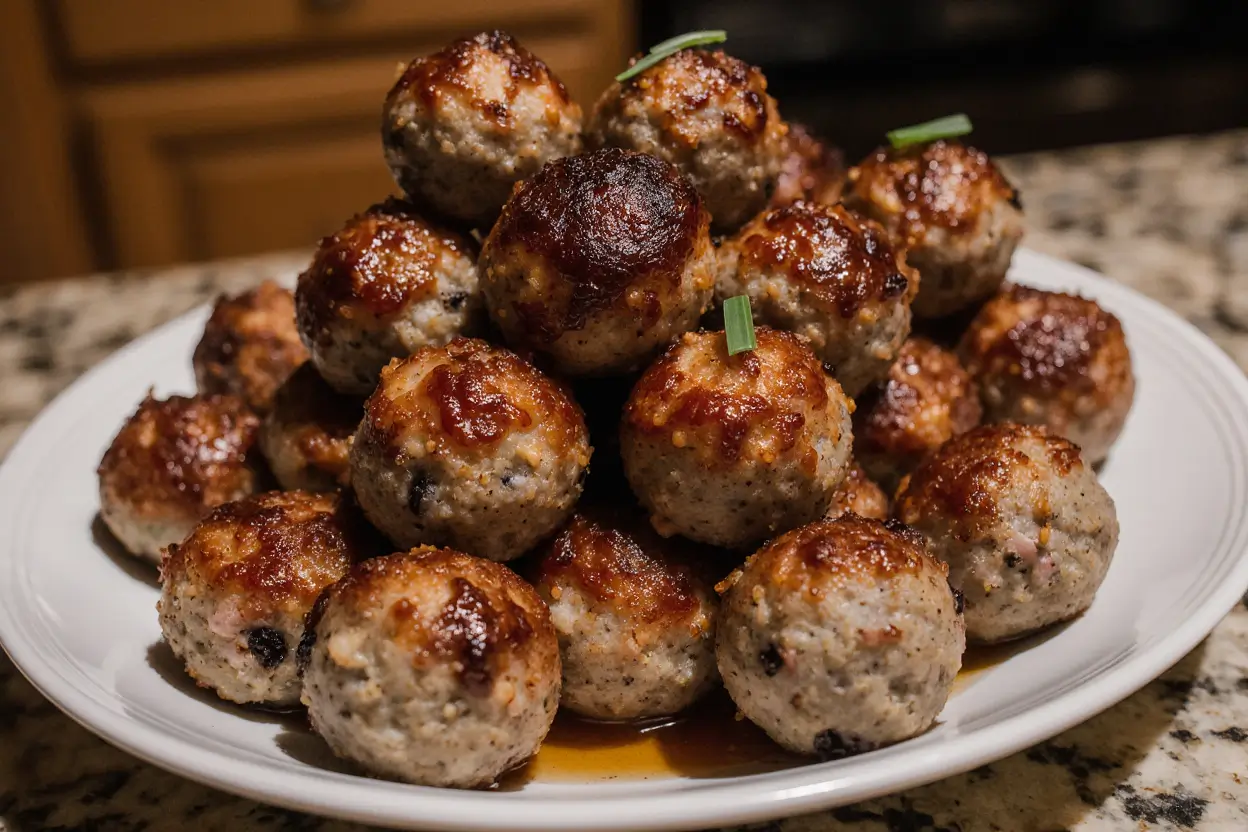
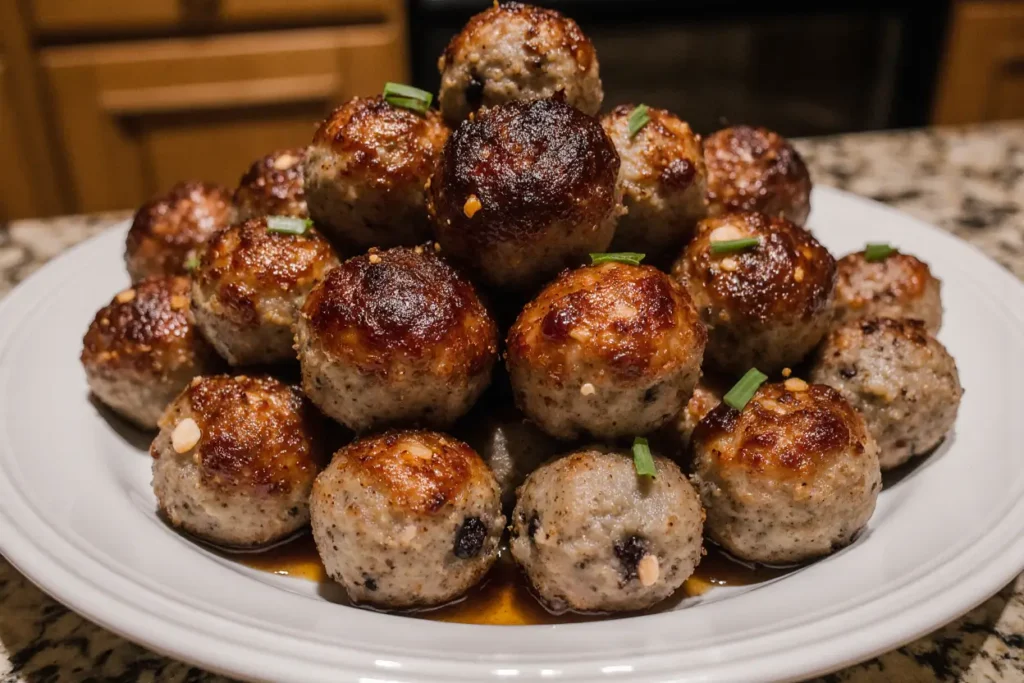
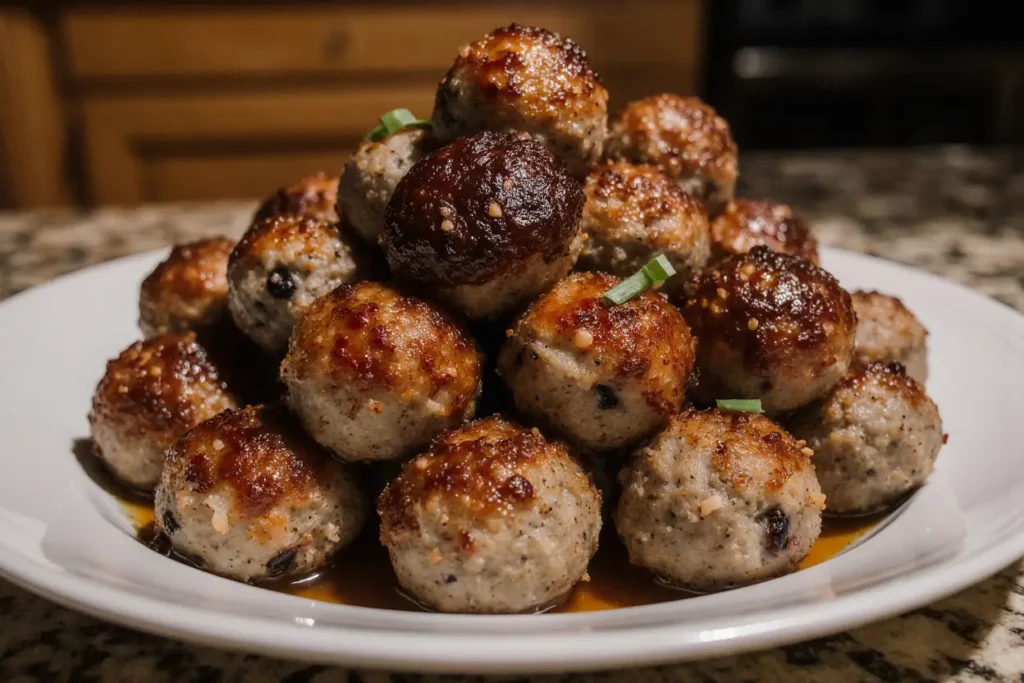
Bake the meatballs for 25-30 minutes, flipping them halfway through at the 12-15 minute mark to ensure even browning on all sides. They’re done when they’re golden brown, firm to the touch, and have developed a slightly crispy exterior. The internal texture should be tender but hold together well when pierced with a fork. For an extra crispy finish, you can broil them for the final 2-3 minutes, watching carefully to prevent burning.
Rest and Serve
Remove the meatballs from the oven and let them rest on the baking sheet for five minutes before transferring. This resting period allows them to firm up further and makes them easier to handle without breaking. Garnish with fresh parsley and serve immediately with your favorite dipping sauce, or toss them in marinara for a classic presentation.
Nutritional Information
Each serving of these easy vegan mushroom meatballs (approximately 4 meatballs) provides:
- Calories: 185
- Protein: 7g
- Carbohydrates: 16g
- Dietary Fiber: 4g
- Sugars: 3g
- Fat: 11g (primarily heart-healthy monounsaturated and polyunsaturated fats)
- Saturated Fat: 1.3g
- Sodium: 380mg
- Potassium: 485mg
- Vitamin D: 12% of Daily Value (naturally occurring in mushrooms)
- Iron: 15% of Daily Value
- Magnesium: 18% of Daily Value
These meatballs are nutritionally impressive, delivering substantial plant-based protein while remaining low in saturated fat and cholesterol-free. Mushrooms are one of the few non-animal sources of vitamin D, especially when exposed to sunlight or UV light during growth. The walnuts contribute omega-3 fatty acids, specifically alpha-linolenic acid (ALA), which supports heart health and reduces inflammation. With 4 grams of fiber per serving, these meatballs also support digestive health and help maintain stable blood sugar levels, making them a significantly more nutritious option compared to traditional beef meatballs which can contain up to three times more saturated fat and zero fiber.
Healthier Alternatives for the Recipe
Oil-Free Version: If you’re following a whole-food, plant-based diet that eliminates added oils, you can easily adapt this recipe. Instead of sautéing the vegetables in oil, use vegetable broth or water for a technique called “water sautéing.” Simply add a few tablespoons at a time and let the vegetables cook down. For the final brushing step, skip the oil entirely or use a light mist of aquafaba (chickpea brine) which will still promote some browning.
Gluten-Free Adaptation: This recipe is naturally gluten-free as long as you use certified gluten-free oats and tamari instead of regular soy sauce. Always check your nutritional yeast label as well, as some brands may contain trace gluten from processing.
Lower Sodium Option: Reduce or eliminate the added salt and use low-sodium soy sauce or coconut aminos. The nutritional yeast, tomato paste, and mushrooms themselves provide plenty of savory flavor, so you won’t miss the extra sodium. This modification can reduce sodium content by up to 60%.
Nut-Free Alternative: Replace the walnuts with an equal amount of sunflower seeds or pumpkin seeds (pepitas). Both provide healthy fats and protein while creating a similar texture. Sunflower seeds have a milder flavor that won’t compete with the mushrooms, while pumpkin seeds add a pleasant earthiness.
Higher Protein Boost: Add 1/2 cup of cooked, mashed white beans or chickpeas to the mixture. This increases the protein content by approximately 40% per serving while maintaining the texture and flavor profile. You may need to adjust the oat flour slightly to account for the additional moisture from the beans.
Soy-Free Modification: Replace soy sauce with coconut aminos, which provide a similar umami depth without the soy. Use regular oats instead of soy-based products, and the nutritional yeast (despite its name) is naturally soy-free and provides that cheesy, savory flavor.
Serving Suggestions
These versatile vegan mushroom meatballs shine in numerous serving contexts, making them perfect for any occasion. For a classic Italian-inspired presentation, nestle them in a pool of warm marinara sauce and serve with crusty sourdough bread or over a bed of al dente spaghetti for a plant-based take on spaghetti and meatballs. The combination of tangy tomato sauce with the earthy mushroom flavor creates a harmonious balance that tastes like comfort food at its finest.
Transform these meatballs into an elegant appetizer by serving them on small skewers or toothpicks alongside a trio of dipping sauces: a creamy cashew garlic aioli, tangy balsamic reduction, and spicy sriracha mayo. Arrange them on a platter with fresh herbs and lemon wedges for a presentation that’s as beautiful as it is delicious. This setup works beautifully for parties and gatherings, as guests can easily grab a meatball and choose their preferred sauce.
For a Mediterranean twist, serve the meatballs in warm pita pockets with fresh cucumber, tomatoes, red onion, and a generous drizzle of tahini sauce or tzatziki. Add some crispy lettuce and a sprinkle of sumac for an authentic Middle Eastern flavor profile. This makes for a satisfying lunch or light dinner that’s packed with vegetables and plant-based protein.
Create a stunning grain bowl by placing the meatballs over quinoa or brown rice along with roasted vegetables like bell peppers, zucchini, and cherry tomatoes. Add some fresh arugula or spinach, a handful of chickpeas, and dress everything with a lemon-tahini dressing. This nutrient-dense meal provides complete nutrition and stays satisfying for hours.
For a Swedish-inspired variation, serve the meatballs with a rich, creamy mushroom gravy made from blended cashews, vegetable broth, and sautéed mushrooms. Pair with mashed potatoes and lingonberry jam for a plant-based take on a Scandinavian classic that will impress even the most traditional diners.
These meatballs also work wonderfully in meal prep containers. Pack them with your choice of grain, roasted vegetables, and sauce in separate compartments for easy weekday lunches that reheat beautifully. The versatility means you’ll never get bored, as you can pair them with different accompaniments throughout the week.
Common Mistakes to Avoid
Not Cooking Off Mushroom Moisture: The number one mistake when making mushroom-based meatballs is skipping or rushing the mushroom cooking process. Mushrooms contain up to 90% water, and if you don’t cook this moisture out completely, your meatballs will be soggy, fall apart, and lack the concentrated flavor that makes them delicious. Take the full 8-10 minutes to sauté them properly, and wait until the pan looks dry before removing from heat.
Over-Processing Ingredients: While a food processor makes preparation faster, over-processing creates a paste-like texture rather than the varied, meat-like consistency you want. Pulse in short bursts and check frequently. You want distinct small pieces, not a homogeneous mush. This applies to both the mushrooms and the walnuts.
Skipping the Resting Time: Many cooks want to rush from mixing to forming, but allowing the mixture to rest for five minutes after combining allows the oats to fully absorb moisture. This makes the mixture easier to handle and helps the meatballs hold their shape better during baking. Similarly, letting them rest after baking prevents them from breaking when you move them.
Making Meatballs Too Large: Oversized meatballs won’t cook evenly and are more likely to fall apart. Stick to the golf-ball size (approximately 1.5 tablespoons) for the best results. Larger meatballs may remain soft in the center while over-browning on the outside.
Not Using Enough Seasoning: Plant-based cooking requires bolder seasoning than many people expect. Don’t be shy with the garlic, herbs, and salt. The soy sauce and tomato paste are crucial for building that savory, umami-rich flavor that makes these taste satisfying rather than bland. Taste your mixture before forming (it’s safe since there are no raw eggs or meat) and adjust seasoning as needed.
Crowding the Baking Sheet: Leave adequate space between meatballs on the baking sheet. Crowding causes steaming rather than roasting, which prevents that desirable crispy exterior from forming. If you need to use two baking sheets, rotate them halfway through baking for even cooking.
Forgetting to Oil the Meatballs: That light coating of oil before baking isn’t optional if you want a golden, slightly crispy exterior. It promotes browning and prevents the outside from drying out while the inside cooks through. Even in oil-free cooking, a very light mist makes a significant difference in texture and appearance.
Storing Tips for the Recipe
These vegan mushroom meatballs store exceptionally well, making them perfect for meal prep and batch cooking. Once cooled completely, transfer them to an airtight container with parchment paper between layers to prevent sticking. They’ll keep in the refrigerator for up to five days, maintaining their texture and flavor beautifully. To reheat, place them in a 350°F oven for 10-12 minutes, or microwave individual portions for 60-90 seconds. Avoid reheating in the microwave for extended periods, as this can make them rubbery.
For longer storage, these meatballs freeze beautifully for up to three months. Arrange cooled meatballs in a single layer on a baking sheet and freeze for 2-3 hours until solid. This prevents them from freezing together in a clump. Once frozen solid, transfer them to a freezer-safe container or zip-top bag, removing as much air as possible. Label with the date and contents. When you’re ready to use them, you can reheat directly from frozen by baking at 350°F for 15-20 minutes, or thaw overnight in the refrigerator first for faster reheating.
You can also prepare the mixture ahead of time without forming or baking the meatballs. Store the uncooked mixture in an airtight container in the refrigerator for up to two days. When ready to cook, let it come to room temperature for 10 minutes, then form and bake as directed. This is particularly useful if you want fresh-baked meatballs but don’t have time for full preparation on busy weeknights.
If you’ve cooked the meatballs in sauce, store them together in the sauce, which keeps them incredibly moist and infuses them with even more flavor. They’ll keep for 3-4 days in the refrigerator this way. The sauce prevents the exterior from drying out and makes reheating even more convenient.
For optimal freshness, avoid storing the meatballs in containers that are too large, as excess air exposure can dry them out. Choose appropriately sized containers that minimize air space, and always ensure they’re cooled to room temperature before refrigerating to prevent condensation buildup that can make them soggy.
Conclusion
This easy vegan mushroom meatballs appetizer proves that plant-based cooking doesn’t require sacrificing flavor, texture, or satisfaction. With their rich umami depth, satisfying bite, and impressive nutritional profile, these meatballs deliver restaurant-quality results in under an hour using straightforward techniques and accessible ingredients. Whether you’re hosting a gathering, meal prepping for the week, or simply exploring more plant-based options, this recipe provides a delicious foundation that works in countless culinary contexts.
The beauty of this recipe lies not just in its delicious results but in its adaptability. You can customize it to meet various dietary needs, pair it with different cuisines, and serve it in multiple ways without ever getting bored. The combination of mushrooms, walnuts, and oats creates a texture remarkably similar to traditional meatballs while offering significantly more fiber, vitamins, and minerals with less saturated fat.
Ready to experience how incredible plant-based appetizers can be? Gather your ingredients, preheat that oven, and prepare to be amazed by how something so simple can taste so extraordinary. Once you’ve tried this recipe, share your results in the comments below—we’d love to hear about your favorite way to serve these meatballs and any creative variations you’ve discovered. Don’t forget to save this recipe for your next gathering, and explore our other plant-based recipes for more culinary inspiration that makes eating well both effortless and exciting.
FAQs
Can I make these meatballs without a food processor?
Absolutely! While a food processor speeds up the prep work, you can make these entirely by hand. Finely chop the mushrooms with a sharp knife until they’re minced to a ground-meat consistency. Chop the walnuts into very small pieces, and use pre-ground flaxseed. For the oats, you can either use a blender to pulse them into a coarse flour or use them whole, though the texture will be slightly different. The key is ensuring everything is finely and evenly chopped so the meatballs hold together well.
Why are my meatballs falling apart?
This typically happens for one of three reasons: the mushrooms still contained too much moisture, the mixture wasn’t mixed thoroughly enough, or the meatballs weren’t allowed to rest before serving. Make sure you cook the mushrooms until the pan is completely dry. Mix the ingredients thoroughly so the binding agents (flax egg and oats) are evenly distributed. Let the formed meatballs rest for five minutes after baking, which allows them to firm up significantly. If your mixture seems too wet before forming, add another tablespoon or two of oat flour.
Can I use a different type of mushroom?
Yes! While cremini and button mushrooms are recommended for their mild flavor and easy availability, you can experiment with other varieties. Portobello mushrooms work wonderfully and create a deeper, more robust flavor. Shiitake mushrooms add an Asian-inspired umami punch, though remove the tough stems before processing. A mix of mushrooms creates complex flavor layers. Avoid very delicate mushrooms like enoki or oyster mushrooms, as they’re too thin and delicate for this application.
How do I know when the meatballs are fully cooked?
Properly cooked vegan mushroom meatballs will be golden brown on the outside, firm to the touch, and hold together well when pierced with a fork. Unlike meat-based meatballs, there’s no food safety concern about undercooking since all ingredients are safe to eat raw or partially cooked. The baking time is more about achieving the right texture—crispy outside, tender inside—rather than reaching a specific internal temperature. If they’re browned and firm after 25-30 minutes at 375°F, they’re ready.
Can I cook these in an air fryer instead of the oven?
Yes! Air fryers work beautifully for these meatballs. Preheat your air fryer to 375°F and lightly spray the basket with oil. Arrange the meatballs in a single layer without touching, working in batches if necessary. Cook for 12-15 minutes, shaking the basket or turning them halfway through. They’ll develop an even crispier exterior than oven-baking while maintaining that tender interior. Just note that cooking times may vary slightly depending on your air fryer model and the size of your meatballs.
What’s the best sauce to serve with these meatballs?
The beauty of these meatballs is their versatility with different sauces. Traditional marinara sauce is always a winner—the acidity and sweetness complement the earthy mushrooms perfectly. For something creamy, try a cashew-based alfredo or mushroom gravy. Asian-inspired options like sweet and sour sauce, teriyaki, or peanut sauce work surprisingly well. For a fresher approach, serve with tzatziki, tahini sauce, or a lemon-herb vinaigrette. The meatballs’ savory, umami-rich flavor profile pairs well with virtually any sauce you enjoy.
Can I substitute the walnuts for another ingredient if I have allergies?
Certainly! Sunflower seeds are the best nut-free substitute, providing similar healthy fats and binding properties without the tree nut allergen. Use the same amount and process them the same way. Pumpkin seeds (pepitas) also work well. For a different approach, you can use 1/2 cup of cooked quinoa or additional rolled oats, though you may need to adjust the moisture content slightly. Hemp hearts are another excellent option that adds protein and omega-3s while keeping the recipe nut-free.
Easy Vegan Mushroom Meatballs Appetizer