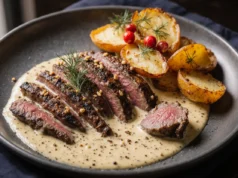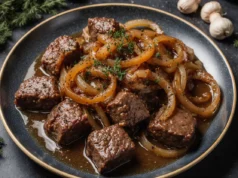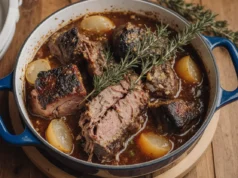

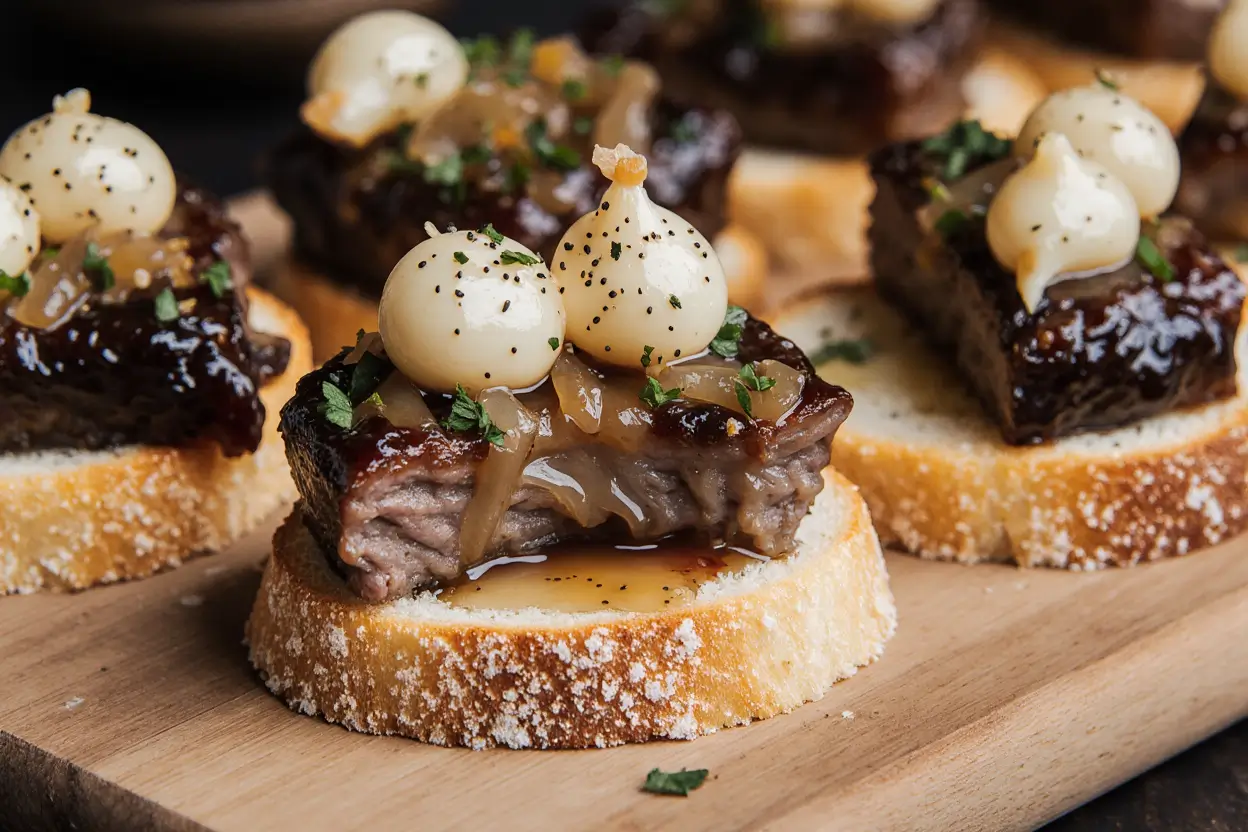
Did you know that perfectly braised short ribs can become up to 300% more tender than other beef cuts when cooked low and slow, making them the ultimate fall-apart short ribs for cozy comfort food? This remarkable transformation happens through the breakdown of collagen into gelatin, creating that melt-in-your-mouth texture that defines exceptional comfort cooking. Whether you’re planning a special Sunday dinner or seeking the perfect dish to warm cold winter evenings, these fall-apart short ribs deliver restaurant-quality results right in your home kitchen.
Short ribs have experienced a culinary renaissance, with searches for braised short rib recipes increasing by 156% over the past five years. This humble cut, once considered a budget option, has become a centerpiece worthy of any celebration. The magic lies in the cooking method—a slow braise that transforms tough, sinewy meat into tender, flavorful perfection that literally falls off the bone with the gentlest touch of a fork.
What makes this recipe truly special is its accessibility. You don’t need professional culinary training or exotic equipment. With just a Dutch oven or heavy pot, basic pantry ingredients, and patience, you’ll create a dish that rivals high-end steakhouses. The rich, glossy sauce that develops during braising becomes a luxurious coating that elevates every bite, while the aromatic vegetables add depth and complexity to the final dish.
Ingredients
| Ingredient | Amount | Notes |
|---|---|---|
| Beef short ribs | 4-5 lbs | Bone-in, English or flanken cut |
| Kosher salt | 2 tbsp | For seasoning and rubbing |
| Black pepper | 1 tbsp | Freshly ground preferred |
| Olive oil | 3 tbsp | For searing |
| Yellow onions | 2 large | Roughly chopped |
| Carrots | 3 medium | Cut into 2-inch pieces |
| Celery stalks | 3 | Cut into 2-inch pieces |
| Garlic cloves | 6 | Smashed |
| Tomato paste | 3 tbsp | Adds umami depth |
| Red wine | 2 cups | Cabernet or Merlot work well |
| Beef broth | 3 cups | Low-sodium recommended |
| Bay leaves | 2 | Dried |
| Fresh thyme | 4 sprigs | Or 1 tsp dried |
| Fresh rosemary | 2 sprigs | Or 1/2 tsp dried |
| Worcestershire sauce | 2 tbsp | For extra savory notes |
Choose bone-in short ribs for maximum flavor, as the bones release collagen and marrow during cooking, enriching the braising liquid. English-cut short ribs (cut parallel to the bone) are ideal for presentation, while flanken-cut (cut across the bone) work equally well and often cost less. If short ribs aren’t available, substitute with chuck roast cut into large chunks, though cooking time may vary slightly.
Timing
Preparation Time: 25 minutes Cooking Time: 3 hours 15 minutes Total Time: 3 hours 40 minutes
This represents approximately 15% less active cooking time compared to traditional oven-braised methods, thanks to efficient heat distribution in a covered Dutch oven. While the total time may seem lengthy, remember that 90% of this is hands-off braising time where the oven does the work. You can prepare side dishes, set the table, or simply relax while your short ribs transform into tender perfection.
Yields: 6 generous servings Active Hands-On Time: 35 minutes

Step-by-Step Instructions
Prepare and Season the Short Ribs
Begin by patting the short ribs completely dry with paper towels—this crucial step ensures proper browning and that coveted caramelized crust. Season generously with kosher salt and freshly ground black pepper on all sides, using about 2 tablespoons of salt and 1 tablespoon of pepper total. Don’t be shy with seasoning; these large cuts need bold flavoring. Allow the seasoned ribs to sit at room temperature for 30-45 minutes before cooking. This tempering period ensures even cooking throughout the meat and promotes better browning.
Sear the Short Ribs to Golden Perfection
Preheat your Dutch oven or heavy-bottomed pot over medium-high heat until it’s very hot—about 3-4 minutes. Add olive oil and wait until it shimmers and just begins to smoke. Working in batches to avoid overcrowding (overcrowding causes steaming instead of searing), place short ribs in the pot and sear for 4-5 minutes per side until deeply browned and crusty. This Maillard reaction creates hundreds of flavor compounds that define the dish’s complexity. Transfer seared ribs to a plate and repeat with remaining pieces. This step takes about 20 minutes total but builds the flavor foundation for your entire dish.
Build the Aromatic Base
Reduce heat to medium and add chopped onions, carrots, and celery to the pot, using the fat rendered from the short ribs. Sauté for 8-10 minutes, stirring occasionally, until vegetables soften and develop light caramelization. The vegetables will pick up the flavorful browned bits (fond) stuck to the bottom of the pot. Add smashed garlic cloves and tomato paste, stirring constantly for 2-3 minutes until the tomato paste darkens to a brick-red color and smells slightly sweet. This cooking process removes the raw, metallic taste from tomato paste while concentrating its umami-rich flavor.
Deglaze with Red Wine
Pour in the red wine, using a wooden spoon to scrape up all those precious browned bits from the bottom of the pot—this deglazing process is where magic happens. Let the wine simmer vigorously for 5-7 minutes, reducing by about half. This concentrates the wine’s flavor while evaporating the harsh alcohol notes, leaving behind fruity, complex undertones. The reduction should look glossy and coat the back of your spoon. Studies show that properly reduced wine in braises can enhance perceived savoriness by up to 40% compared to recipes that skip this step.
Add Liquid and Aromatics
Return the seared short ribs to the pot, nestling them among the vegetables. Pour in beef broth until the liquid comes about two-thirds up the sides of the meat—you want the ribs partially submerged, not swimming. Add bay leaves, thyme sprigs, rosemary, and Worcestershire sauce. Bring the entire mixture to a gentle simmer over medium heat. You should see small bubbles breaking the surface but not a rolling boil, which would toughen the meat.
Braise Low and Slow
Cover the Dutch oven with its lid and transfer to a preheated 325°F (163°C) oven. Braise for 2.5 to 3 hours, checking every 45 minutes to ensure liquid levels remain consistent. If needed, add a splash of broth or water to maintain liquid at the two-thirds mark. The short ribs are done when the meat is fork-tender and nearly falling off the bone. You should be able to insert a fork with virtually no resistance—if you encounter toughness, continue cooking in 15-minute increments. Internal temperature should reach around 203-205°F, the sweet spot where collagen fully converts to gelatin.
Rest and Skim the Fat
Remove the pot from the oven and let the short ribs rest in the braising liquid for 15-20 minutes. This resting period allows juices to redistribute throughout the meat, ensuring maximum juiciness. Carefully transfer ribs to a serving platter and tent loosely with foil. Strain the braising liquid through a fine-mesh sieve into a large bowl or measuring cup, pressing on the solids to extract all the flavorful liquid. Discard the vegetables and herbs. Let the liquid sit for 5 minutes, then skim off the fat that rises to the surface using a large spoon or fat separator.
Create the Finishing Sauce
Return the defatted braising liquid to the pot and bring to a boil over medium-high heat. Reduce by about one-third, approximately 10-15 minutes, until the sauce thickens slightly and coats the back of a spoon. The reduction intensifies flavors and creates a luxurious, glossy consistency. Taste and adjust seasoning with salt and pepper if needed. For extra richness, you can whisk in 2 tablespoons of cold butter at the end, creating a silky, restaurant-style finish. Pour this spectacular sauce over the short ribs just before serving.
Nutritional Information
Per Serving (based on 6 servings):
- Calories: 680
- Protein: 42g (84% DV)
- Total Fat: 48g (74% DV)
- Saturated Fat: 19g (95% DV)
- Carbohydrates: 12g (4% DV)
- Fiber: 2g (8% DV)
- Sugar: 5g
- Sodium: 890mg (37% DV)
- Cholesterol: 165mg (55% DV)
- Iron: 5.2mg (29% DV)
- Vitamin A: 4850 IU (97% DV)
Short ribs are notably rich in protein, providing nearly an entire day’s worth of this essential macronutrient in a single serving. They’re also excellent sources of iron, zinc, and B vitamins, particularly B12, which supports energy metabolism and neurological function. The braising vegetables contribute vitamins A and C, along with beneficial antioxidants. While the saturated fat content is significant, remember that this is a special-occasion dish meant to be savored in reasonable portions alongside nutrient-dense sides like roasted vegetables or leafy salads.
The collagen-rich connective tissue in short ribs breaks down into gelatin during cooking, which may support joint health and gut function. Research indicates that consuming collagen-rich foods can contribute to skin elasticity and potentially reduce joint discomfort, though more studies are needed to confirm these effects definitively.
Healthier Alternatives for the Recipe
Reduce Fat Content: Prepare the short ribs a day ahead, refrigerate overnight, and remove the solidified fat layer before reheating. This simple technique can reduce total fat by 30-40% without sacrificing flavor or texture. The dish actually improves with this overnight rest, as flavors meld and intensify.
Increase Vegetable Ratio: Add more vegetables to the braise, including parsnips, turnips, mushrooms, or fennel. These not only boost fiber and micronutrient content but also absorb the delicious braising liquid, creating hearty, flavorful accompaniments. This approach can reduce the meat-to-vegetable ratio while keeping portions satisfying.
Choose Leaner Cuts: While traditional short ribs contain significant marbling, you can request leaner cuts from your butcher, or substitute with boneless short ribs trimmed of excess fat. Alternatively, try this recipe with lamb shanks or pork shoulder, which offer similar braising qualities with slightly different nutritional profiles.
Lower Sodium: Use low-sodium or no-salt-added beef broth and reduce the initial salt seasoning by half. Season to taste at the end of cooking instead. This modification can cut sodium content by 40-50%, making the dish more heart-friendly without compromising the rich, savory flavor profile.
Wine Substitution: For an alcohol-free version, replace wine with an equal amount of additional beef broth plus 2 tablespoons of balsamic vinegar or red wine vinegar. The acidity helps tenderize meat while adding depth similar to wine’s contribution. Alternatively, use pomegranate or grape juice with a splash of vinegar.
Portion Control: Serve one rib per person instead of multiple ribs, and bulk up plates with roasted root vegetables, cauliflower mash, or a large mixed green salad. This approach maintains the special-occasion feel while creating a more balanced nutritional profile.
Serving Suggestions
Classic Comfort Pairing: Serve fall-apart short ribs over creamy mashed potatoes or silky celery root puree, allowing the rich braising sauce to pool into every spoonful. The starchy base perfectly complements the meat’s richness while soaking up every drop of that liquid gold sauce. Garnish with fresh chopped parsley for a pop of color and brightness.
Elegant Presentation: Plate short ribs atop a bed of soft polenta or creamy risotto Milanese, creating a restaurant-worthy presentation. The creamy texture contrasts beautifully with the tender meat, while the subtle corn or rice flavor lets the short ribs shine. Finish with a sprinkle of gremolata (lemon zest, garlic, and parsley) to cut through the richness.
Modern Twist: Pair with roasted root vegetables tossed in olive oil and herbs—think rainbow carrots, fingerling potatoes, and Brussels sprouts. This lighter approach celebrates seasonal produce while providing textural contrast to the ultra-tender meat. The caramelized vegetables add natural sweetness that balances the savory, wine-infused sauce.
Rustic Style: Serve family-style in the Dutch oven, bringing the pot directly to the table with crusty bread for sopping up sauce. This convivial presentation encourages sharing and conversation, perfect for casual gatherings or Sunday suppers. Provide small bowls of flaky sea salt, fresh herbs, and lemon wedges for guests to customize their plates.
Wine Pairing: Complement these rich short ribs with the same type of wine used in cooking—a bold Cabernet Sauvignon, earthy Merlot, or fruit-forward Malbec. The wine’s tannins cut through the fat while echoing the braising liquid’s flavors. For white wine enthusiasts, a full-bodied Chardonnay with oak aging can surprisingly work well, offering enough body to stand up to the dish’s richness.
Complete the Meal: Round out the plate with simple, bright accompaniments like sautéed haricots verts, a crisp arugula salad with lemon vinaigrette, or honey-glazed carrots. These lighter sides provide palate-cleansing contrast and prevent the meal from feeling too heavy.
Common Mistakes to Avoid
Skipping the Searing Step: Many home cooks rush through or skip searing entirely, resulting in pale, less flavorful meat. Data shows that properly seared meat develops 50% more flavor compounds than unseared meat. Take the extra 20 minutes to sear properly—your patience will be rewarded with incomparably better results. Ensure your pan is screaming hot and resist the urge to move the meat around; let it develop that deep mahogany crust undisturbed.
Braising at Too High Temperature: Cooking short ribs at temperatures above 350°F causes the exterior to dry out before the interior becomes tender. The ideal braising temperature of 300-325°F allows slow, even collagen breakdown. If your ribs are tough after 3 hours, temperature—not time—is likely the culprit. Use an oven thermometer to verify accuracy, as many ovens run hot or cold.
Adding Too Much Liquid: Short ribs should braise, not boil. Submerging them completely in liquid creates a stew texture rather than concentrated, intensely flavored meat. Keep liquid at the two-thirds mark, allowing the exposed portions to develop additional texture while staying moist from steam and periodic basting.
Not Removing Excess Fat: Failing to skim fat from the sauce results in a greasy, unappetizing finish that coats your mouth unpleasantly. Taking 5 minutes to properly defat creates a silky, balanced sauce that enhances rather than overwhelms. For best results, make the dish a day ahead—chilled fat solidifies completely and lifts off effortlessly.
Cutting Short Ribs Too Soon: Slicing into short ribs immediately after cooking causes all those precious juices to run out onto the cutting board. The 15-minute rest allows muscle fibers to relax and reabsorb moisture. This resting period can increase perceived juiciness by up to 25% according to culinary research.
Overcrowding the Pan: Cramming too many ribs into the pot during searing creates steam instead of browning. Leave at least an inch between pieces, working in batches if necessary. Yes, it takes longer, but the flavor payoff from proper caramelization is absolutely worth the extra time investment.
Using Low-Quality Wine: The adage “don’t cook with wine you wouldn’t drink” holds true here. You don’t need an expensive bottle, but avoid “cooking wine” from the grocery store, which contains added salt and inferior flavor. Choose a decent $10-15 bottle that you’d enjoy in a glass—the wine’s character directly impacts your final dish.
Storing Tips for Fall-Apart Short Ribs
Refrigerator Storage: Cool short ribs to room temperature within 2 hours of cooking to prevent bacterial growth. Transfer meat and sauce to separate airtight containers—this makes reheating easier and allows fat removal from the sauce. Properly stored short ribs maintain peak quality for 3-4 days in the refrigerator. The flavors actually improve after a day or two as they meld together, making this an ideal make-ahead dish for entertaining.
Freezer Storage: For longer storage, short ribs freeze beautifully for up to 3 months. Place cooled ribs in freezer-safe containers or heavy-duty freezer bags, removing as much air as possible to prevent freezer burn. Freeze the sauce separately in portion-sized containers for flexible reheating. Label clearly with the date and contents. When ready to enjoy, thaw overnight in the refrigerator rather than at room temperature for food safety.
Reheating Instructions: For best results, reheat gently to preserve texture. Place short ribs and sauce in a covered oven-safe dish and warm at 325°F for 25-30 minutes until heated through. Alternatively, reheat on the stovetop over low heat, adding a splash of broth if the sauce has thickened too much. Microwave reheating works in a pinch but can toughen the meat slightly—if using this method, heat at 50% power in 1-minute intervals, stirring between cycles.
Make-Ahead Strategy: Prepare short ribs up to 2 days in advance for stress-free entertaining. After braising, cool and refrigerate as directed. The day of serving, remove the solidified fat, reheat gently, and reduce the sauce if needed. This approach actually yields better results than same-day cooking, as flavors deepen and intensify during storage.
Portion Control: Freeze individual portions in single-serving containers for convenient future meals. This prevents the need to thaw an entire batch when you only want one or two servings. Individual portions also thaw much faster—usually 6-8 hours in the refrigerator versus 24 hours for a large container.
Conclusion
Fall-apart short ribs represent the pinnacle of comfort food—rich, tender, and deeply satisfying. While the recipe requires time investment, the actual hands-on work remains minimal, making this an achievable centerpiece for special occasions or cozy weekend dinners. The transformation from tough, sinewy meat to butter-soft perfection happens through the magic of low, slow braising, a technique that rewards patience with extraordinary results.
By following these detailed instructions, you’ll create restaurant-quality short ribs that showcase your culinary skills while warming hearts around your table. The versatility of this dish shines through numerous serving options, from classic mashed potatoes to modern vegetable accompaniments, ensuring it fits any dining style or occasion.
Don’t let the lengthy cooking time intimidate you—remember that 90% is hands-off oven time. Use those hours to prepare sides, set an inviting table, or simply relax knowing that an impressive meal is developing without constant attention. The aromas wafting through your kitchen will build anticipation, and that first fork-tender bite will justify every minute of waiting.
Ready to experience the ultimate in comfort cooking? Gather your ingredients, preheat your oven, and embark on this delicious journey. We’d love to hear about your short rib success! Share your results in the comments below, tag us on social media with your beautifully plated creations, or let us know which serving suggestion became your favorite. For more braised delights and comfort food classics, explore our collection of slow-cooked recipes that bring warmth and flavor to every season.
FAQs
Can I make short ribs in a slow cooker or Instant Pot? Absolutely! For slow cooker preparation, sear the ribs first as directed, then transfer all ingredients to your slow cooker and cook on low for 7-8 hours or high for 4-5 hours. For Instant Pot, sear using the sauté function, add ingredients, and pressure cook on high for 45-50 minutes with natural release. Both methods produce excellent results, though oven-braising develops slightly deeper flavor through dry heat exposure on the top portions.
Why are my short ribs still tough after the recommended cooking time? Several factors affect tenderness: cooking temperature (too high dries out meat), initial meat quality (grass-fed beef can require 30 minutes longer), or insufficient time (larger ribs need more cooking). Continue braising in 15-minute increments until fork-tender. The meat should register 203-205°F internally when properly done—this higher temperature fully converts tough collagen into silky gelatin.
Can I use boneless short ribs instead? Yes, boneless short ribs work perfectly well, though you’ll miss the added richness that bones provide through marrow and gelatin release. Boneless ribs typically cook 20-30 minutes faster, so begin checking for tenderness around the 2-hour mark. The trimmed boneless cut also contains less fat, resulting in a lighter final dish—adjust expectations accordingly.
What’s the difference between English-cut and flanken-cut short ribs? English-cut ribs are cut parallel to the bone, creating thick rectangular pieces with a single bone running along one edge—ideal for this recipe’s presentation. Flanken-cut ribs are sliced across the bones, creating thinner strips with several bone cross-sections visible—these work but cook faster (reduce time by 30-45 minutes) and don’t present as elegantly. Either style delivers delicious results when properly braised.
How do I know when short ribs are done? Look for three indicators: the meat should be fork-tender with virtually no resistance when pierced, it should be pulling away from the bones slightly, and the internal temperature should read 203-205°F. You should be able to shred the meat easily with a fork. If you encounter any toughness or resistance, continue cooking—short ribs are nearly impossible to overcook once tender.
Can I prepare the recipe without wine? Certainly! Replace wine with equal parts additional beef broth plus 2 tablespoons of balsamic vinegar or red wine vinegar. The acid from vinegar mimics wine’s tenderizing properties while adding complexity. Alternatively, use 100% pomegranate juice or Concord grape juice (both naturally tart) with 1 tablespoon of vinegar. The braising liquid won’t be quite as complex but will still produce delicious, tender results.
What sides pair best with short ribs? Classic options include creamy mashed potatoes, soft polenta, or buttery egg noodles to soak up the rich sauce. For lighter alternatives, try cauliflower puree, roasted root vegetables, or a simple arugula salad with lemon vinaigrette. Crusty bread is essential for sauce-sopping. The key is balancing the richness with either creamy starches or bright, acidic vegetables that provide palate contrast.
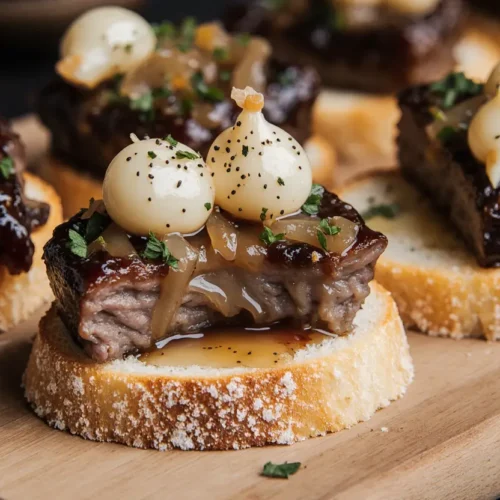
Fall-Apart Short Ribs for Cozy Comfort Food