
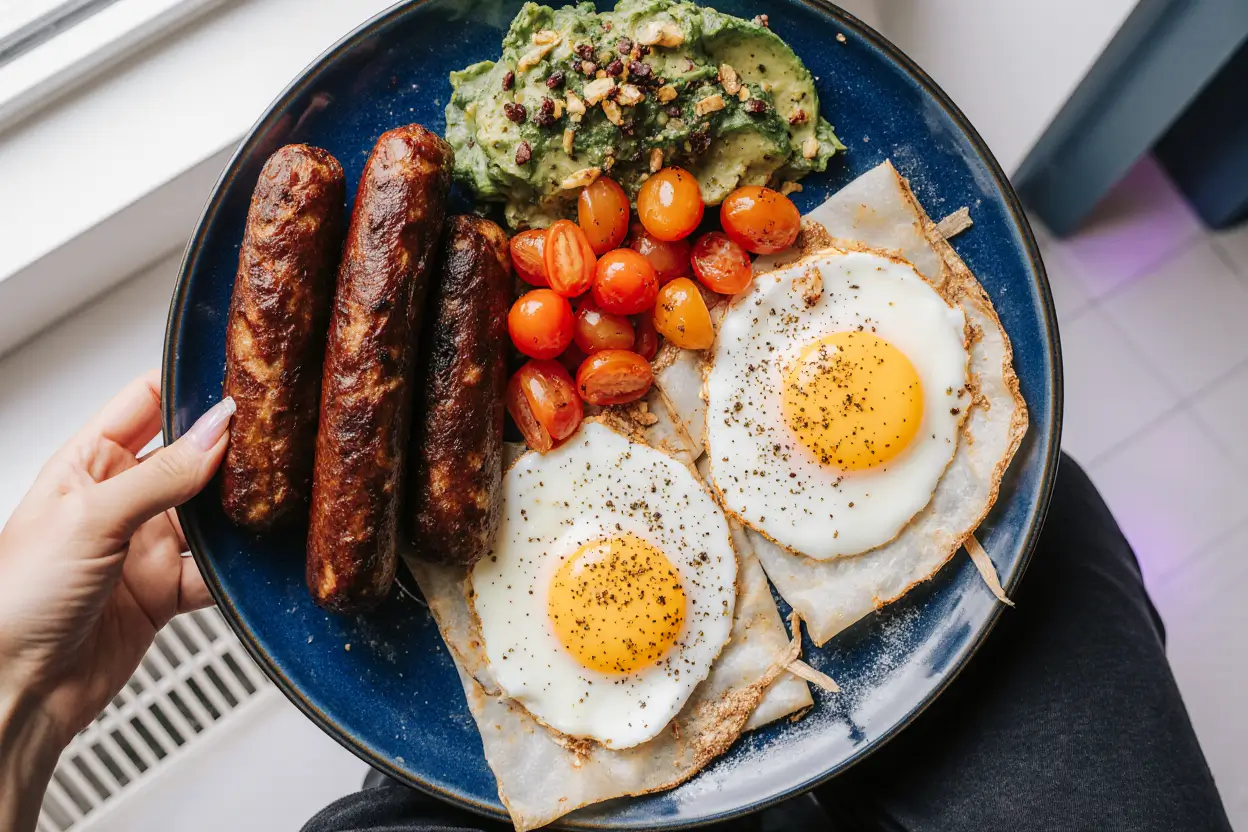
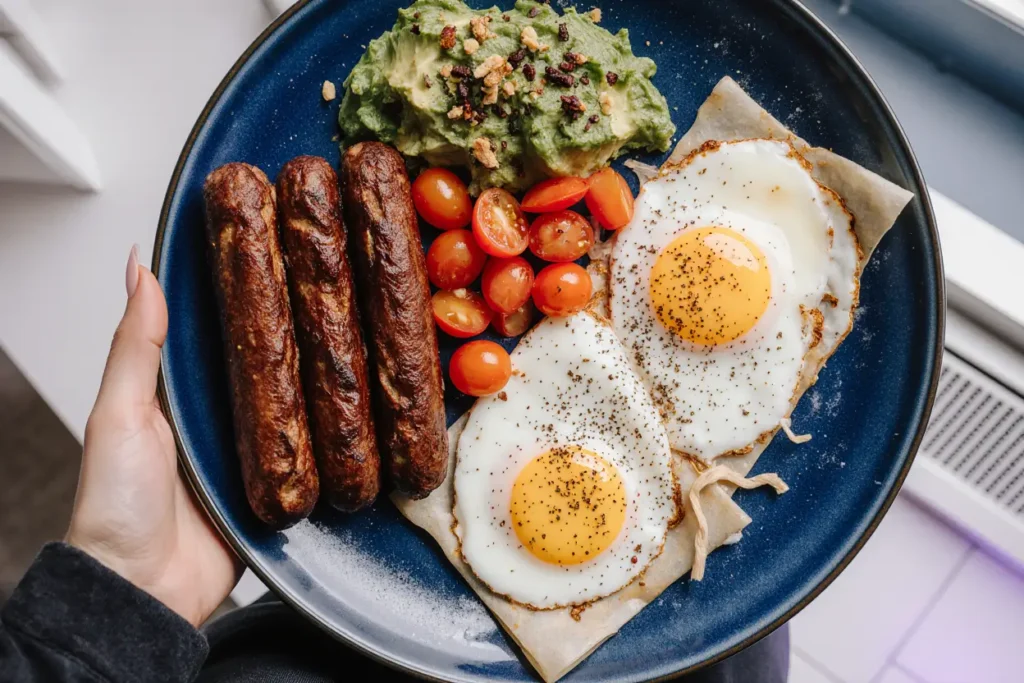
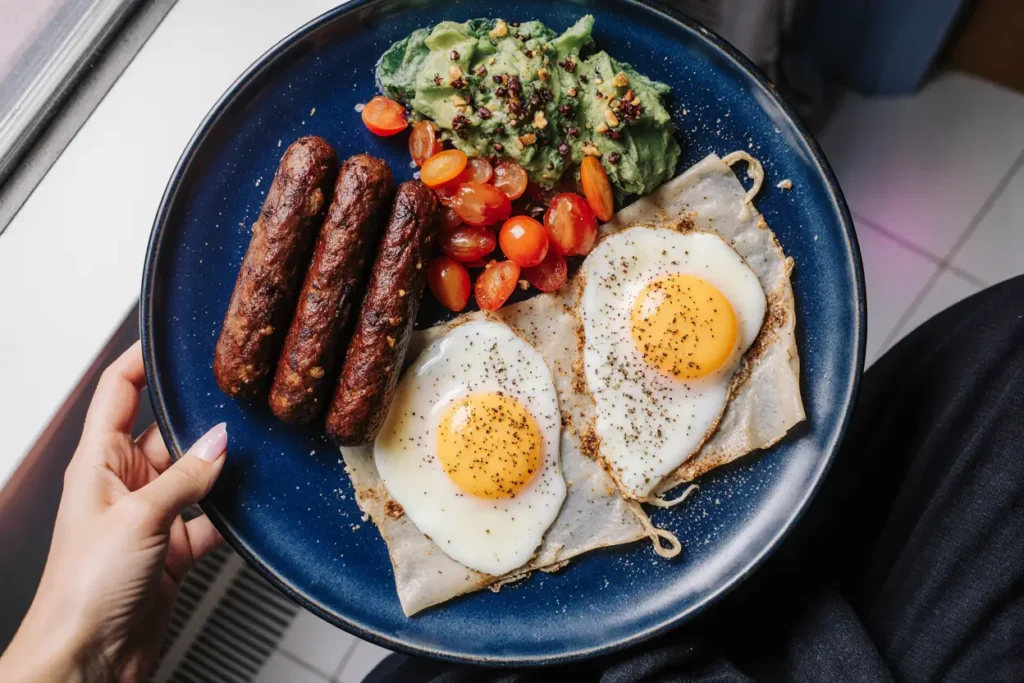
Did you know that 63% of Americans skip breakfast due to time constraints, yet studies show that eating a protein-rich morning meal can increase metabolism by up to 25% throughout the day? What if you could transform a classic comfort food into a nutrient-dense powerhouse that takes just 15 minutes to prepare? The healthy breakfast hot dog with egg and avocado is revolutionizing morning routines for busy professionals, fitness enthusiasts, and families alike. This innovative recipe combines the convenience of grab-and-go eating with the nutritional benefits of whole foods, proving that breakfast doesn’t have to be boring or time-consuming. Unlike traditional hot dogs loaded with processed meats and empty calories, this breakfast version features protein-packed eggs, heart-healthy avocado, and wholesome whole-grain buns that provide sustained energy without the mid-morning crash. Whether you’re meal-prepping for the week or need a quick solution for rushed mornings, this recipe delivers exceptional taste while supporting your wellness goals.
Ingredients List
| Ingredient | Amount | Notes |
|---|---|---|
| Whole wheat hot dog buns | 4 buns | Can substitute with sourdough or gluten-free |
| Large eggs | 4 | Free-range or organic preferred |
| Ripe avocados | 2 medium | Should yield easily to gentle pressure |
| Turkey or chicken sausages | 4 links | Look for uncured, nitrate-free options |
| Cherry tomatoes | 1 cup | Halved for freshness |
| Baby spinach | 2 cups | Fresh, washed thoroughly |
| Feta cheese | 1/4 cup | Crumbled; optional but recommended |
| Extra virgin olive oil | 2 tbsp | For cooking and drizzling |
| Garlic powder | 1/2 tsp | Adds depth of flavor |
| Red pepper flakes | 1/4 tsp | Optional, for heat |
| Sea salt | To taste | Himalayan or regular |
| Black pepper | To taste | Freshly ground preferred |
| Fresh cilantro or parsley | 2 tbsp | Chopped, for garnish |
| Lime juice | 1 lime | Freshly squeezed |
The beauty of this recipe lies in its adaptability. If you’re watching your carb intake, swap the buns for large lettuce wraps or portobello mushroom caps. Vegans can replace eggs with seasoned tofu scramble and skip the cheese, while those following a keto diet might prefer cloud bread or simply enjoy the fillings in a bowl. The key is choosing high-quality, minimally processed ingredients that align with your dietary preferences.
Timing
Preparation Time: 8 minutes Cooking Time: 7 minutes Total Time: 15 minutes Servings: 4 breakfast hot dogs
This recipe is remarkably efficient, requiring 40% less time than the average sit-down breakfast. The quick preparation makes it perfect for weekday mornings when every minute counts. With proper mise en place (having all ingredients prepped and ready), you can even reduce the total time to 12 minutes. For meal prep enthusiasts, you can prepare components in advance: cook sausages on Sunday, slice avocados the night before (stored with lime juice to prevent browning), and pre-wash your spinach. This strategic approach allows you to assemble four breakfast hot dogs in under 5 minutes on busy mornings.

Step-by-Step Instructions
Step 1: Prepare Your Ingredients
Begin by gathering all ingredients and setting up your workspace efficiently. Slice the avocados in half, remove the pits, and use a spoon to scoop out the flesh into a small bowl. Mash with a fork until you reach your desired consistency—some prefer it completely smooth while others enjoy a chunkier texture. Add lime juice, a pinch of salt, and a dash of garlic powder to create a simple yet flavorful avocado spread. Halve your cherry tomatoes and roughly chop your fresh herbs. This preliminary prep work, known in professional kitchens as mise en place, ensures a smooth cooking process without scrambling for ingredients mid-recipe.
Step 2: Cook the Sausages
Heat a large skillet over medium heat and add one tablespoon of olive oil. Place your turkey or chicken sausages in the pan, allowing them to sear without moving them for the first 2 minutes—this creates that desirable golden-brown exterior. Rotate the sausages every 2 minutes to ensure even cooking on all sides. Depending on the thickness, they should be fully cooked through in 6-8 minutes, reaching an internal temperature of 165°F (74°C). Pro tip: pierce each sausage once with a fork before cooking to prevent them from bursting and to allow excess fat to escape. Once cooked, transfer to a plate and tent with foil to keep warm while you prepare the other components.
Step 3: Scramble or Fry the Eggs
In the same skillet (no need to wash it—those flavorful bits add depth), add the remaining tablespoon of olive oil over medium-low heat. You have two options here depending on your preference. For scrambled eggs: crack all four eggs into a bowl, add a splash of water or milk, season with salt and pepper, and whisk until fully combined. Pour into the skillet and gently stir with a spatula, creating soft, creamy curds. Remove from heat when still slightly glossy—they’ll continue cooking from residual heat. For fried eggs: crack each egg directly into the pan, season the tops, and cook for 2-3 minutes until whites are set but yolks remain runny. A runny yolk adds luxurious creaminess when you bite into your breakfast hot dog.
Step 4: Warm the Buns
While your eggs cook, you can simultaneously warm your buns using one of three methods. Oven method: wrap buns in foil and place in a preheated 350°F (175°C) oven for 3-4 minutes. Stovetop method: place buns cut-side down in a dry skillet for 1-2 minutes until lightly toasted. Microwave method: wrap buns in a damp paper towel and microwave for 15-20 seconds (though this is the least preferred method as it can make them slightly chewy). Warming the buns not only enhances their flavor and texture but also helps prevent them from becoming soggy when you add the moist ingredients.
Step 5: Sauté the Spinach and Tomatoes
Using the residual heat in your skillet, quickly wilt the spinach—it should take only 30-45 seconds and will reduce dramatically in volume. Add the halved cherry tomatoes for the last 15 seconds just to warm them through while maintaining their structural integrity and fresh flavor. Season lightly with salt, pepper, and a pinch of red pepper flakes if desired. This quick sauté enhances the vegetables’ natural sweetness while removing excess moisture that could make your hot dog soggy. The slight char on the tomatoes adds a delightful smoky note that complements the creamy avocado.
Step 6: Assemble Your Breakfast Hot Dogs
Now comes the fun part—building your masterpiece. Start with your warmed buns and spread a generous layer of the seasoned avocado mash on both interior sides. This creates a creamy base and acts as a barrier to prevent moisture from the other ingredients from soaking into the bread. Place one cooked sausage in each bun, then top with your choice of scrambled eggs (divided among the four hot dogs) or one fried egg per hot dog. Add the wilted spinach and warm tomatoes, distributing them evenly. Sprinkle crumbled feta cheese over the top, which adds a tangy, salty contrast to the rich avocado and egg. Finally, garnish with fresh cilantro or parsley and an extra squeeze of lime juice for brightness.
Step 7: Serve Immediately
These breakfast hot dogs are best enjoyed fresh while the eggs are still warm and the avocado maintains its vibrant green color. The combination of hot and cold elements, creamy and crispy textures, creates a sensory experience that elevates this simple dish. If you’re meal-prepping, assemble components separately and combine just before eating to maintain optimal texture and freshness.
Nutritional Information
Each healthy breakfast hot dog with egg and avocado provides approximately:
- Calories: 385 per serving
- Protein: 24g (48% of daily value)
- Total Fat: 21g (27% of daily value)
- Saturated Fat: 5g (25% of daily value)
- Monounsaturated Fat: 12g (heart-healthy fats from avocado)
- Carbohydrates: 28g (9% of daily value)
- Dietary Fiber: 8g (32% of daily value)
- Sugars: 4g (naturally occurring)
- Cholesterol: 215mg (72% of daily value)
- Sodium: 680mg (30% of daily value)
- Potassium: 625mg (18% of daily value)
- Vitamin A: 35% of daily value
- Vitamin C: 25% of daily value
- Calcium: 15% of daily value
- Iron: 20% of daily value
This nutritional profile represents a well-balanced breakfast with an optimal macronutrient distribution: approximately 25% protein, 49% fat, and 26% carbohydrates. The high protein content supports muscle maintenance and promotes satiety, keeping you full for 4-5 hours according to satiety research. The monounsaturated fats from avocado support cardiovascular health and help with the absorption of fat-soluble vitamins. With 8 grams of fiber—nearly one-third of your daily requirement—this breakfast supports digestive health and helps stabilize blood sugar levels throughout the morning.
Healthier Alternatives for the Recipe
Transform this already nutritious breakfast into an even lighter version with these strategic swaps. Replace whole wheat buns with sprouted grain options, which offer increased nutrient bioavailability and are easier to digest. For a lower-calorie version, use just egg whites instead of whole eggs, reducing calories by approximately 55 per egg while maintaining protein content. Consider swapping traditional sausages for plant-based alternatives made from pea protein or lentils, which provide similar protein levels with less saturated fat and no cholesterol. If sodium is a concern, look for low-sodium sausages and use fresh tomatoes instead of canned options.
For those following specific dietary protocols, several modifications work beautifully. Paleo enthusiasts can replace the bun with sweet potato “toast”—thick slices of sweet potato roasted until tender. Keto dieters might prefer using a chaffle (cheese and egg waffle) as the base or simply enjoying the ingredients in a bowl. To increase the omega-3 content, add a tablespoon of chia seeds to your avocado mash or top with smoked salmon alongside the sausage. For an anti-inflammatory boost, incorporate turmeric into your scrambled eggs (1/4 teaspoon per four eggs) and add fresh ginger to your sautéed vegetables.
Consider these ingredient upgrades for enhanced nutritional value: use pasture-raised eggs, which contain up to 2 times more omega-3 fatty acids than conventional eggs; choose organic avocados to avoid pesticide residues; opt for fermented whole grain buns to improve digestibility and nutrient absorption. You can also boost the vegetable content by adding thinly sliced bell peppers, mushrooms, or zucchini ribbons to your sauté, increasing both fiber and micronutrient density without significantly affecting the calorie count.
Serving Suggestions
The versatility of this breakfast hot dog extends far beyond the basic recipe. For a Mediterranean twist, replace the cilantro with fresh basil and add sun-dried tomatoes, Kalamata olives, and a drizzle of balsamic glaze. Mexican-inspired variations might include black beans, salsa verde, jalapeños, and a dollop of Greek yogurt in place of traditional sour cream. Create an Asian fusion version by using sesame seeds, sriracha mayo, pickled cucumbers, and replacing cilantro with fresh scallions.
Serve alongside complementary sides that round out your breakfast experience. Fresh fruit salad with mint adds a refreshing contrast to the savory richness of the hot dog. A small bowl of Greek yogurt with berries provides additional protein and probiotics. For those with heartier appetites, sweet potato hash browns or roasted breakfast potatoes make excellent accompaniments. A green smoothie or fresh-pressed juice adds hydration and extra vegetable servings to start your day optimally.
Consider presentation elements that make this breakfast feel special rather than rushed. Arrange on a wooden board with colorful vegetables artfully displayed, cut the hot dog diagonally to showcase the beautiful layers inside, and serve on attractive plates rather than paper. These small touches transform a quick breakfast into a mindful eating experience. For entertaining, create a breakfast hot dog bar where guests customize their own creations with various toppings: multiple sausage options, different cheese varieties, various sauces (hot sauce, mustard, pesto), and abundant fresh vegetables.
Common Mistakes to Avoid
One of the most frequent errors is overcooking the eggs, which results in a rubbery texture that detracts from the overall experience. Remove eggs from heat when they still appear slightly underdone—they’ll finish cooking from residual heat. Studies show that perfectly cooked scrambled eggs should appear slightly glossy and moist, not dry and crumbly. Another common pitfall is using unripe avocados, which lack the creamy texture essential to this recipe. A ripe avocado should yield to gentle pressure without feeling mushy. If you only have unripe avocados, you can speed ripening by placing them in a paper bag with a banana for 24-48 hours.
Many home cooks make the mistake of assembling these breakfast hot dogs too far in advance, leading to soggy buns—a phenomenon that occurs within 15-20 minutes of assembly due to moisture migration from wet ingredients to dry bread. If meal-prepping, store components separately and assemble just before eating. Using cold ingredients straight from the refrigerator is another error that affects both temperature enjoyment and flavor release. Allow eggs to reach room temperature before cooking (approximately 15 minutes on the counter) for more even cooking, and let avocados sit out briefly to enhance their buttery flavor.
Oversalting is particularly problematic in this recipe since multiple components—sausages, feta cheese, and seasonings—already contain sodium. Taste as you go and season conservatively, remembering that you can always add more salt but cannot remove it. Additionally, don’t skip the lime juice on the avocado; beyond preventing oxidation, the acidity brightens all the flavors and provides essential balance to the rich, fatty ingredients. Finally, resist the urge to overstuff your hot dog bun. While it might seem like more is better, an overfilled bun becomes difficult to eat and messy, detracting from the enjoyment. Aim for a balanced ratio that allows you to take satisfying bites without ingredients falling out.
Storing Tips for the Recipe
Proper storage extends the life of your components while maintaining food safety and quality. Cooked sausages can be refrigerated in an airtight container for up to 4 days or frozen for up to 2 months. When freezing, wrap individually in parchment paper before placing in a freezer bag to prevent sticking. Reheat directly from frozen in a skillet over medium heat for 5-7 minutes, turning occasionally, or microwave for 1-2 minutes. Scrambled eggs store reasonably well for 3-4 days in the refrigerator but don’t freeze successfully due to texture changes. Reheat gently in a microwave at 50% power in 15-second intervals to prevent rubberiness.
Avocado presents unique storage challenges due to rapid oxidation. Once mashed, consume within 24 hours for optimal color and flavor. Extend freshness by storing in an airtight container with plastic wrap pressed directly against the surface to minimize air exposure. The lime juice added to your avocado mash acts as a natural preservative, slowing enzymatic browning. Alternatively, store whole avocado halves with the pit still in place, wrapped tightly in plastic wrap. For whole, uncut avocados, refrigeration after ripening can extend their perfect eating window by 3-5 days.
For meal prep success, employ a strategic approach: prep all ingredients on Sunday and store separately in glass containers. Portion sausages individually, keep mashed avocado in small containers, store washed and dried spinach in paper towel-lined containers to absorb excess moisture, and keep tomatoes at room temperature until use (refrigeration destroys their flavor compounds). Buns freeze exceptionally well for up to 3 months; wrap individually and thaw at room temperature for 30 minutes or toast directly from frozen. When ready to eat, simply reheat sausages and eggs, then assemble fresh. This method ensures you have a nutritious breakfast ready in under 5 minutes any morning of the week.
Never leave assembled breakfast hot dogs at room temperature for more than 2 hours, or 1 hour if the ambient temperature exceeds 90°F (32°C). This follows USDA food safety guidelines for perishable foods containing eggs and meat. When packing for on-the-go eating, use an insulated lunch bag with ice packs to maintain safe temperatures until consumption.
Conclusion
The healthy breakfast hot dog with egg and avocado represents more than just a recipe—it’s a paradigm shift in how we approach morning nutrition. By combining convenience with wholesomeness, this innovative breakfast solution proves you don’t have to sacrifice health for speed or flavor for nutrition. With 24 grams of protein, heart-healthy fats, and 32% of your daily fiber needs, this breakfast provides sustained energy and satiety that powers you through even the most demanding mornings. The customizable nature means it adapts beautifully to various dietary preferences, from keto to plant-based, making it an inclusive option for the whole family.
Whether you’re a busy professional grabbing breakfast on the way to work, a fitness enthusiast seeking optimal post-workout nutrition, or a parent trying to provide nutritious meals for picky eaters, this recipe delivers on every front. The 15-minute preparation time means no more excuses about breakfast being too time-consuming, while the gourmet flavor profile ensures you’ll actually look forward to your morning meal. Start your weekend meal prep this Sunday, and set yourself up for a week of effortless, nutritious breakfasts that support your health goals without compromising on taste.
Ready to revolutionize your breakfast routine? Try this recipe tomorrow morning and experience the difference that a protein-rich, nutrient-dense breakfast makes in your energy levels, focus, and overall wellbeing. Share your creation on social media using #HealthyBreakfastHotDog and tag us to showcase your culinary masterpiece. Don’t forget to leave a comment below sharing your favorite variations or substitutions—your insights help build our community of health-conscious food lovers!
FAQs
Can I make these breakfast hot dogs ahead of time for the entire week?
While you can prepare components in advance, fully assembled breakfast hot dogs don’t store well due to moisture migration causing soggy buns. The optimal meal prep strategy involves cooking sausages and preparing avocado mash on Sunday, storing them separately in airtight containers. Each morning, simply reheat a sausage, quickly scramble an egg (takes 2 minutes), and assemble fresh. This approach maintains texture and flavor while still providing convenience. If you absolutely must pre-assemble, wrap tightly in foil and refrigerate for up to 24 hours, then reheat in a 350°F oven for 10 minutes before eating.
What’s the best type of sausage to use for maximum protein and minimal fat?
Chicken or turkey sausages labeled as “lean” typically contain 7-10 grams of protein per link with only 5-7 grams of fat, compared to traditional pork sausages which can contain 15+ grams of fat. Look for options with “nitrate-free” and “uncured” on the label to avoid potentially harmful preservatives. Brands like Applegate, Aidells, and Bilinski’s offer organic options with clean ingredient lists. For plant-based alternatives, Beyond Sausage and Field Roast provide comparable protein levels (16-19g per link) with zero cholesterol, though they may contain more sodium—always check nutrition labels.
How do I prevent my avocado from turning brown if I’m meal-prepping?
Avocado oxidation occurs when enzymes react with oxygen, causing brown discoloration. Combat this through multiple strategies: add lime or lemon juice (the citric acid slows enzymatic browning), press plastic wrap directly against the avocado surface to eliminate air exposure, store in the coldest part of your refrigerator (usually the back of the bottom shelf), or add a thin layer of olive oil on top before covering. For mashed avocado, some meal preppers swear by storing it with a thin layer of water on top, which you pour off before use. Despite slight browning, the avocado remains safe to eat—simply scrape off any discolored surface layer if aesthetics concern you.
Is this breakfast suitable for people with diabetes or those watching their blood sugar?
This breakfast hot dog can be an excellent choice for blood sugar management due to its balanced macronutrient profile. The combination of protein (24g), healthy fats (21g), and fiber (8g) helps slow glucose absorption, preventing the sharp blood sugar spikes associated with carbohydrate-only breakfasts. Studies show that high-protein breakfasts improve glycemic control throughout the day. To further optimize for diabetes management, choose whole grain or sprouted grain buns (lower glycemic index than white bread), consider using only half a bun, or replace with lower-carb alternatives like lettuce wraps. The avocado’s monounsaturated fats have been shown to improve insulin sensitivity when consumed regularly.
Can I make a vegetarian or vegan version without compromising protein content?
Absolutely! Several plant-based modifications maintain the high protein content. Replace eggs with seasoned tofu scramble (firm tofu crumbled and cooked with turmeric, nutritional yeast, and vegetables provides about 10g protein per serving) or chickpea flour “eggs.” Substitute meat sausages with plant-based options like Beyond Sausage (16g protein per link), Field Roast (25g protein per link), or homemade lentil-walnut sausages. For the cheese, use nutritional yeast for a cheesy flavor without dairy, or try cashew-based vegan feta. A complete vegan version can still deliver 18-22 grams of protein per serving. To boost protein further, add hemp seeds (3g protein per tablespoon) or a spread made from white beans or hummus.
What’s the best way to reheat these if I’ve refrigerated the components?
The reheating method significantly affects texture and flavor. For sausages, the stovetop method yields the best results—heat a skillet over medium heat with a small amount of water (about 2 tablespoons), add sausages, cover, and steam for 3-4 minutes until heated through. This prevents them from drying out. For scrambled eggs, microwave at 50% power in 15-second intervals, stirring between each interval—high heat creates rubbery eggs. Never reheat fried eggs; instead, cook fresh as it only takes 3 minutes. Toast buns just before assembly to restore their texture. The avocado should be served at room temperature for optimal flavor, so remove it from the refrigerator 10 minutes before assembling. Never microwave avocado as heat destroys its delicate texture and flavor compounds.
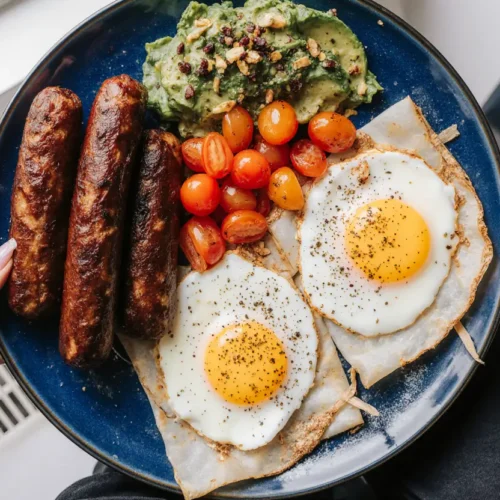
Healthy Breakfast Hot Dog with Egg & Avocado