

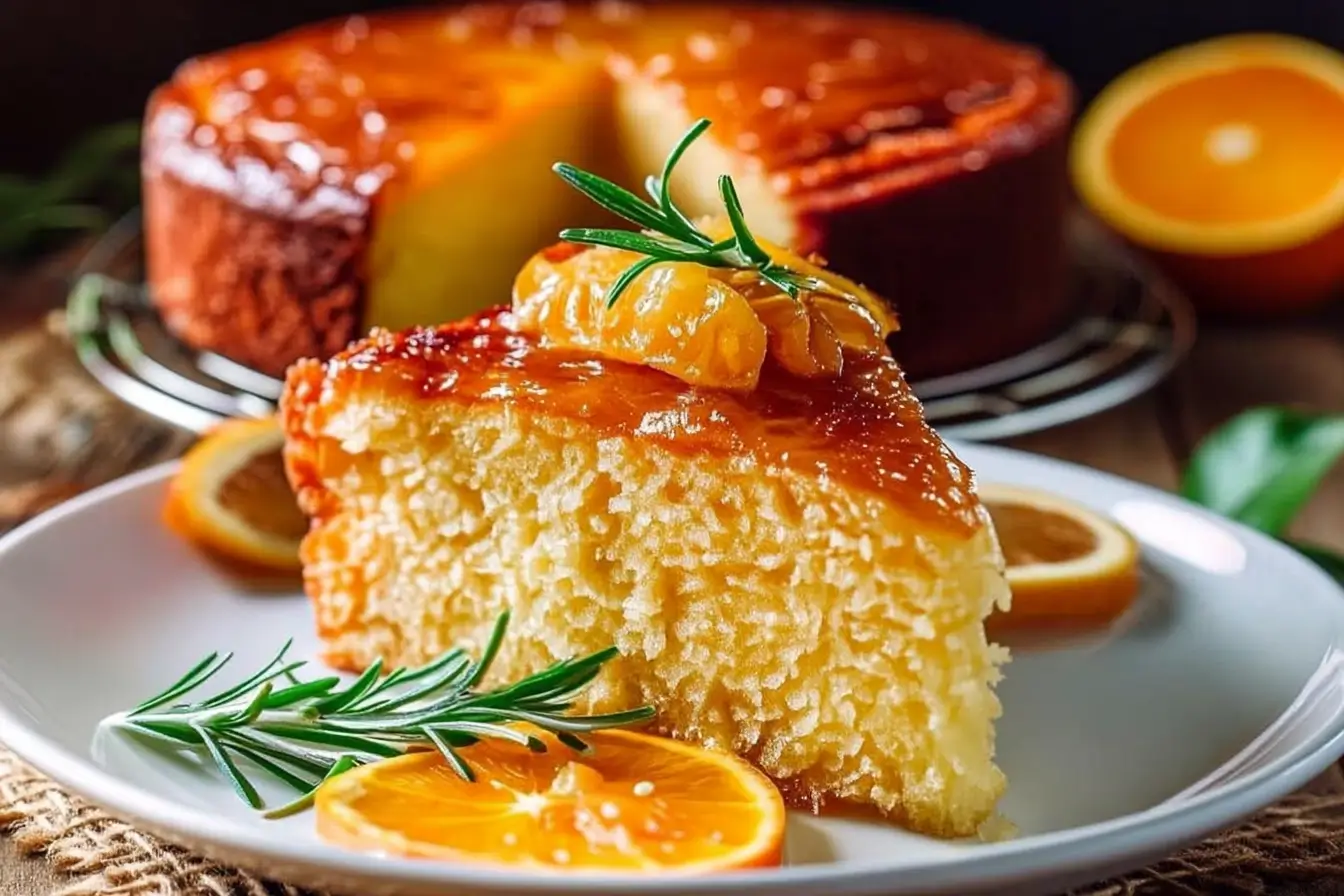
There is something undeniably uplifting about the bright, citrusy aroma of fresh oranges drifting through your kitchen. This Orange Cake With Freshly Squeezed Orange Zest captures that sunshine-filled fragrance in every tender, buttery bite. Moist, delicately sweet, and bursting with natural orange flavor, this cake is the perfect balance between comforting and refreshing.
Unlike heavy frosted cakes or overly sweet desserts, this orange cake lets simple, wholesome ingredients shine. Fresh orange juice and zest infuse the batter with vibrant citrus notes, while butter and eggs create a soft, tender crumb. Whether you’re baking for a weekend brunch, an afternoon tea, a family gathering, or simply craving something sweet yet light, this recipe delivers elegance with minimal effort.
If you love citrus desserts that feel fresh rather than cloying, this cake is absolutely for you.
Why You’ll Love This Orange Cake
This cake is ideal for:
- Home bakers who want a simple yet impressive dessert
- Busy families looking for a quick, crowd-pleasing treat
- Anyone who loves bright citrus flavors
- Beginner bakers who want a reliable, foolproof cake recipe
It’s especially wonderful in spring and summer when oranges are at their peak, but honestly, this cake feels like a slice of sunshine any time of year.


Ingredients
This recipe uses pantry staples combined with fresh citrus for maximum flavor:
- 1¾ cup (265g) all-purpose flour
- 1½ tsp baking powder
- ¾ tsp baking soda
- 1¼ sticks butter (2/3 cup / 141g), softened
- ¾ cup (165g) sugar
- 3 large eggs
- ½ cup (120ml) milk
- 3 oz (90ml) freshly squeezed orange juice
- Zest from 1 orange
Ingredient Highlights & Tips
All-purpose flour: Provides structure without making the cake too dense. Be sure to measure accurately—spoon and level for best results.
Baking powder + baking soda: This combination ensures a light, airy crumb while balancing the acidity of the orange juice.
Butter: Use softened, not melted, butter. Proper creaming with sugar creates tiny air pockets that give the cake its soft texture.
Fresh orange juice and zest: These are the stars. Always use freshly squeezed juice—store-bought juice lacks the brightness and aroma of fresh citrus. The zest holds essential oils that intensify the orange flavor.
Kitchen Equipment You’ll Need
Having the right tools makes baking smoother and more enjoyable:
- Mixing bowls (medium and large)
- Hand mixer or stand mixer
- Measuring cups and spoons
- Citrus zester or microplane
- Citrus juicer
- 8-inch or 9-inch round cake pan (or loaf pan)
- Rubber spatula
- Cooling rack
- Parchment paper (optional but recommended)
Step-by-Step Instructions
1. Prepare Your Oven and Pan
Preheat your oven to 350°F (175°C). Grease your cake pan and line the bottom with parchment paper for easy release.
2. Combine Dry Ingredients
In a medium bowl, whisk together the flour, baking powder, and baking soda. Set aside.
3. Cream Butter and Sugar
In a large mixing bowl, beat the softened butter and sugar together until light and fluffy. This step should take about 3–4 minutes. Proper creaming is crucial—it creates a lighter cake texture.
4. Add the Eggs
Add the eggs one at a time, mixing well after each addition. Scrape down the sides of the bowl as needed to ensure everything is evenly combined.
5. Incorporate Orange Flavor
Mix in the freshly squeezed orange juice and orange zest. The batter may look slightly curdled at this stage—that’s completely normal.
6. Alternate Dry Ingredients and Milk
Gradually add the flour mixture, alternating with the milk. Begin and end with the dry ingredients. Mix just until combined. Overmixing can make the cake dense.
7. Bake
Pour the batter into your prepared pan and smooth the top. Bake for 30–40 minutes, or until a toothpick inserted into the center comes out clean.
8. Cool
Allow the cake to cool in the pan for 10–15 minutes before transferring it to a wire rack to cool completely.
Pro Tips for the Perfect Orange Cake
- Room temperature ingredients: Butter, eggs, and milk should all be at room temperature for a smooth batter.
- Zest before juicing: It’s much easier to zest a whole orange before cutting it in half.
- Don’t overbake: Keep an eye on your cake. Overbaking can dry it out.
- Use quality oranges: The flavor of the cake depends heavily on the citrus quality.
Optional Glaze for Extra Citrus Punch
If you want to elevate this cake further, try a simple orange glaze:
- 1 cup powdered sugar
- 2–3 tablespoons fresh orange juice
Whisk until smooth and drizzle over the cooled cake. This adds a glossy finish and an extra burst of citrus sweetness.
Recipe Variations & Swaps
One of the best things about this orange cake is how adaptable it is.
Make It Dairy-Free
Substitute butter with a plant-based alternative and use almond or oat milk.
Add a Citrus Twist
Mix lemon zest with the orange zest for a citrus blend.
Turn It Into Cupcakes
Pour batter into lined muffin tins and bake for 18–22 minutes.
Add Texture
Fold in ½ cup chopped walnuts or almonds for crunch.
Chocolate-Orange Version
Stir in ½ cup dark chocolate chips for a decadent twist.

Serving Suggestions
This cake pairs beautifully with:
- Fresh berries
- Lightly sweetened whipped cream
- A scoop of vanilla ice cream
- Greek yogurt and honey
Drink Pairings
- Freshly brewed coffee
- Earl Grey tea
- Iced herbal tea
- Sparkling water with citrus slices
The bright citrus notes complement both warm and refreshing beverages.
Storage & Leftovers
At Room Temperature
Store in an airtight container for up to 3 days.
In the Refrigerator
Keeps well for up to 5 days. Allow it to come to room temperature before serving for best flavor.
Freezing Instructions
Wrap tightly in plastic wrap and place in a freezer-safe container. Freeze for up to 2 months. Thaw overnight in the refrigerator.
Frequently Asked Questions (FAQ)
Can I use bottled orange juice?
Fresh juice is strongly recommended. Bottled juice lacks the vibrant, aromatic oils that fresh juice and zest provide.
Why did my cake turn out dense?
This usually happens if the batter was overmixed or the butter wasn’t properly creamed with the sugar.
Can I reduce the sugar?
Yes, you can reduce it slightly (by about 2 tablespoons), but keep in mind sugar contributes to texture and moisture.
Can I use whole wheat flour?
You can substitute up to 50% of the flour with whole wheat flour. The texture will be slightly denser.
How do I know when the cake is done?
Insert a toothpick into the center. If it comes out clean or with a few dry crumbs, it’s ready.
Why This Recipe Works
This cake strikes the perfect balance between structure and moisture. The combination of baking powder and baking soda ensures a light crumb while balancing acidity from the orange juice. The butter provides richness, while the milk adds tenderness. Most importantly, the zest delivers concentrated citrus oils that make the flavor pop.
The result? A soft, fluffy cake with a delicate crumb and a bright, natural orange flavor that feels refreshing rather than heavy.
Perfect Occasions for Orange Cake
- Brunch gatherings
- Afternoon tea parties
- Baby showers
- Spring celebrations
- Holiday dessert tables
- Everyday family treats
Its elegant simplicity makes it versatile for both casual and formal occasions.
Final Thoughts
This Orange Cake With Freshly Squeezed Orange Zest is proof that simple ingredients can create extraordinary flavor. It’s soft, fragrant, and beautifully balanced—comforting yet vibrant. Whether you serve it plain, glazed, or dressed up with whipped cream and berries, it’s guaranteed to brighten your table.
If you try this recipe, I’d love to hear how it turned out! Share it with your friends and family, and don’t forget to subscribe to the blog for more delicious, foolproof recipes delivered straight to your inbox. Happy baking!

Orange Cake With Freshly Squeezed Orange Zest