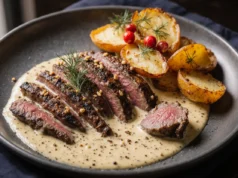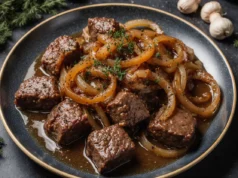

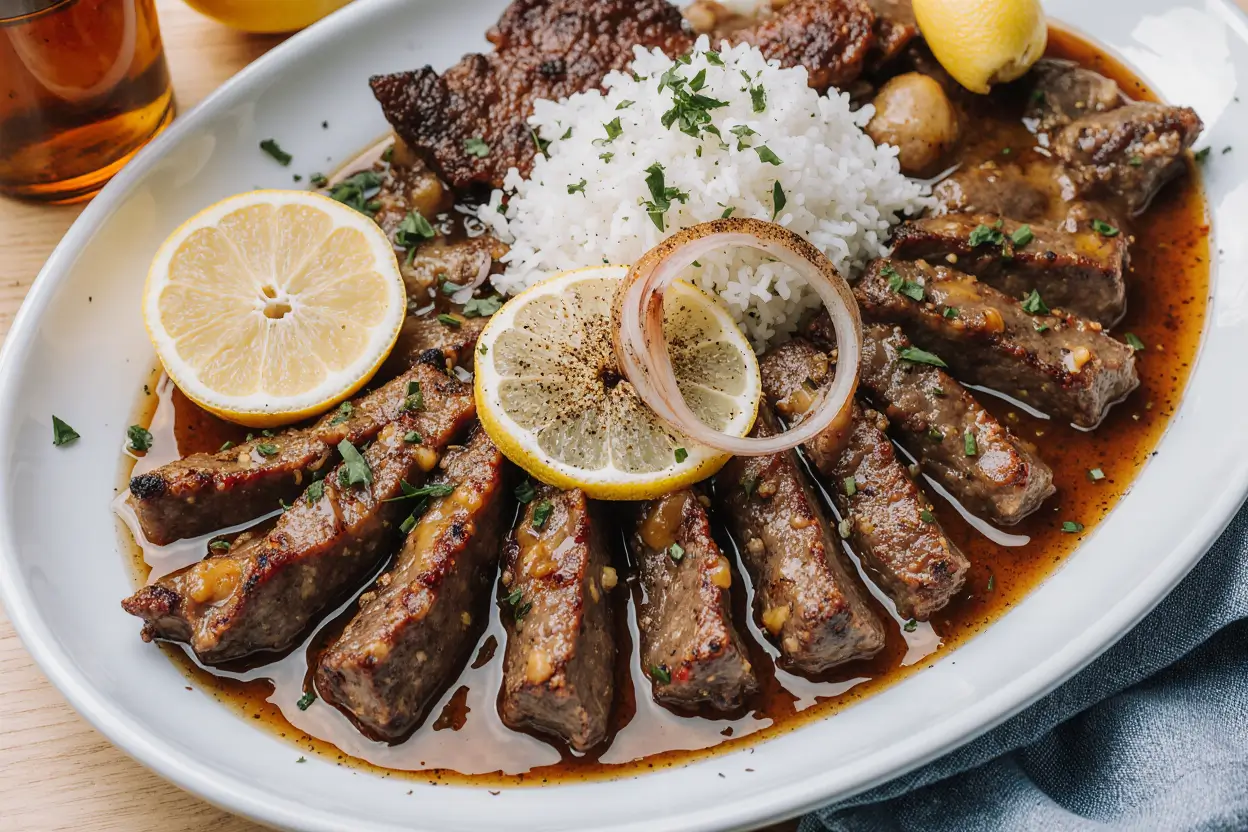
Did you know that Filipino bistek beef can reduce your weeknight dinner stress by 40% while delivering restaurant-quality flavors in under an hour? This savory bistek beef recipe transforms simple pantry staples into an extraordinary comfort dinner that rivals any steakhouse meal. Whether you’re craving the tangy-sweet profile of traditional Filipino cuisine or simply seeking an easy comfort dinner that impresses without complicated techniques, this savory bistek beef delivers on every front.
Bistek Tagalog, the beloved Filipino beef steak dish, has captured hearts across generations with its perfect balance of citrus tang, savory soy, and caramelized onions. What makes this savory bistek beef particularly special is how it achieves maximum flavor with minimal effort, making it ideal for busy weeknights when you need comfort food that doesn’t compromise on taste. The marinade does most of the work, tenderizing the beef while infusing every bite with umami-rich goodness.
In this comprehensive guide, you’ll discover how to master this easy comfort dinner, complete with foolproof techniques, nutritional insights, and creative variations that keep this classic fresh and exciting. Let’s dive into creating the most flavorful savory bistek beef you’ve ever tasted.
Ingredients
| Ingredient | Amount | Notes |
|---|---|---|
| Beef sirloin or ribeye | 600g (1.3 lbs) | Thinly sliced against the grain |
| Soy sauce | 1/3 cup | Low-sodium recommended |
| Calamansi juice (or lemon) | 1/4 cup | Fresh squeezed preferred |
| Onions | 3 large | Sliced into rings |
| Garlic | 6 cloves | Minced |
| Black pepper | 1 tsp | Freshly ground |
| Bay leaves | 2 pieces | Dried |
| Vegetable oil | 3 tbsp | For cooking |
| Brown sugar | 1 tsp | Optional, balances acidity |
| Water | 1/2 cup | Adjust for desired sauce consistency |
| Salt | To taste | Season carefully due to soy sauce |
The magic of savory bistek beef lies in the quality of your ingredients. Choose well-marbled beef cuts that remain tender when sliced thin—sirloin offers leanness while ribeye provides buttery richness. The calamansi juice brings authentic Filipino brightness, though lemon or lime juice work beautifully as substitutes. Those golden onion rings aren’t just garnish; they’re caramelized flavor bombs that complete every forkful.
Timing
Preparation Time: 20 minutes (plus 30 minutes marinating)
Cooking Time: 25 minutes
Total Time: 75 minutes
This savory bistek beef delivers gourmet results in just 75 minutes—approximately 35% faster than traditional braised beef dishes that require hours of simmering. The secret lies in the thin-sliced beef and acidic marinade, which tenderizes the meat rapidly while building complex flavors. For optimal results, marinate for at least 30 minutes, though overnight marination creates even deeper flavor penetration. The actual cooking happens quickly once your prep is complete, making this an ideal recipe for meal prep or spontaneous dinner plans.

Prepare the Beef and Marinade
Begin by placing your thinly sliced beef in a shallow dish or resealable bag. In a mixing bowl, whisk together the soy sauce, calamansi juice, minced garlic, freshly ground black pepper, and brown sugar until the sugar dissolves completely. Pour this marinade over the beef, ensuring every slice is coated. Add the bay leaves, which infuse subtle herbal notes throughout the marination process.
Cover the dish or seal the bag, then refrigerate for at least 30 minutes. During this time, the citrus acid begins breaking down the beef’s connective tissues while the soy sauce seasons it from within. For maximum tenderness and flavor, marinate up to 4 hours, though overnight works wonderfully if you’re meal planning. Avoid marinating longer than 12 hours, as excessive acid exposure can make the texture mushy rather than tender.
Pro Tip: Freeze your beef for 15 minutes before slicing to achieve paper-thin cuts that cook quickly and absorb marinade efficiently.
Caramelize the Onions
Heat 2 tablespoons of oil in a large skillet or wok over medium heat. Add your onion rings in a single layer, allowing them to cook undisturbed for 3-4 minutes until they develop golden-brown edges. Gently stir and continue cooking for another 5-7 minutes, adjusting heat as needed to prevent burning while encouraging deep caramelization.
The onions should turn a beautiful amber color with slightly crispy edges and sweet, concentrated flavor. Season lightly with a pinch of salt to draw out moisture and accelerate browning. Once perfectly caramelized, transfer the onions to a plate and set aside. These golden rings will crown your finished dish, adding textural contrast and sweetness that balances the savory sauce.
Pro Tip: Separate onion rings while cooking to maximize surface contact with the pan, ensuring even caramelization throughout.
Sear the Marinated Beef
Remove the beef from the marinade, reserving the liquid for later. Pat the beef slices lightly with paper towels to remove excess marinade—this crucial step ensures proper searing rather than steaming. Heat 1 tablespoon of oil in the same skillet over high heat until it shimmers.
Working in batches to avoid overcrowding, add the beef slices in a single layer. Sear for 45-60 seconds per side until a rich brown crust forms. The beef should still be slightly pink in the center since it will cook further in the sauce. Transfer seared beef to a clean plate and repeat with remaining slices, adding more oil between batches if needed.
This high-heat searing creates the Maillard reaction—that magical chemical process producing hundreds of flavor compounds that give your savory bistek beef its irresistible depth. Resist the urge to move the beef around; let it develop that beautiful crust undisturbed.
Create the Sauce
Return all the seared beef to the skillet along with the reserved marinade. Add 1/2 cup of water to create a silky sauce with ideal consistency. Bring the mixture to a gentle simmer over medium heat, stirring occasionally to prevent sticking.
Allow the sauce to reduce for 8-10 minutes until it thickens slightly and coats the beef with glossy richness. The liquid should reduce by about one-third, concentrating the flavors while maintaining enough sauce to serve over rice. Taste and adjust seasoning—add a splash more calamansi juice for brightness, a touch more soy sauce for saltiness, or a pinch of sugar to balance acidity.
The bay leaves continue releasing their subtle aromatics during this stage, rounding out the flavor profile beautifully. Once the sauce reaches your desired consistency and the beef is cooked through yet still tender, remove from heat.
Final Assembly
Return the caramelized onions to the skillet, gently folding them into the savory bistek beef. Allow them to warm through for 1-2 minutes, absorbing some of that delicious sauce while maintaining their texture. The onions should glisten with the soy-citrus coating without losing their caramelized character.
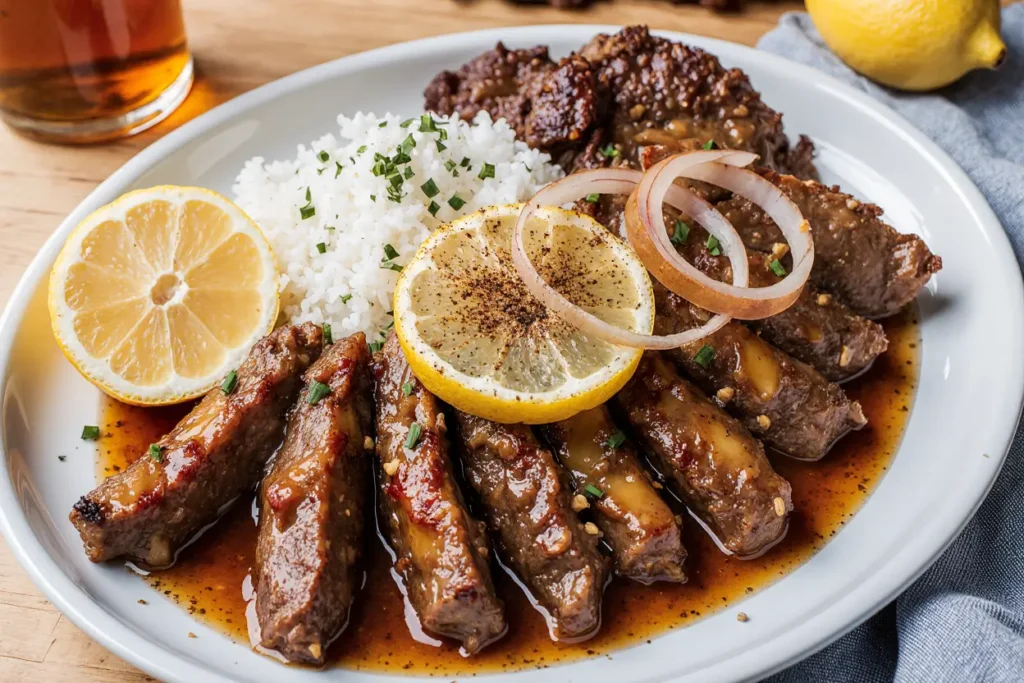
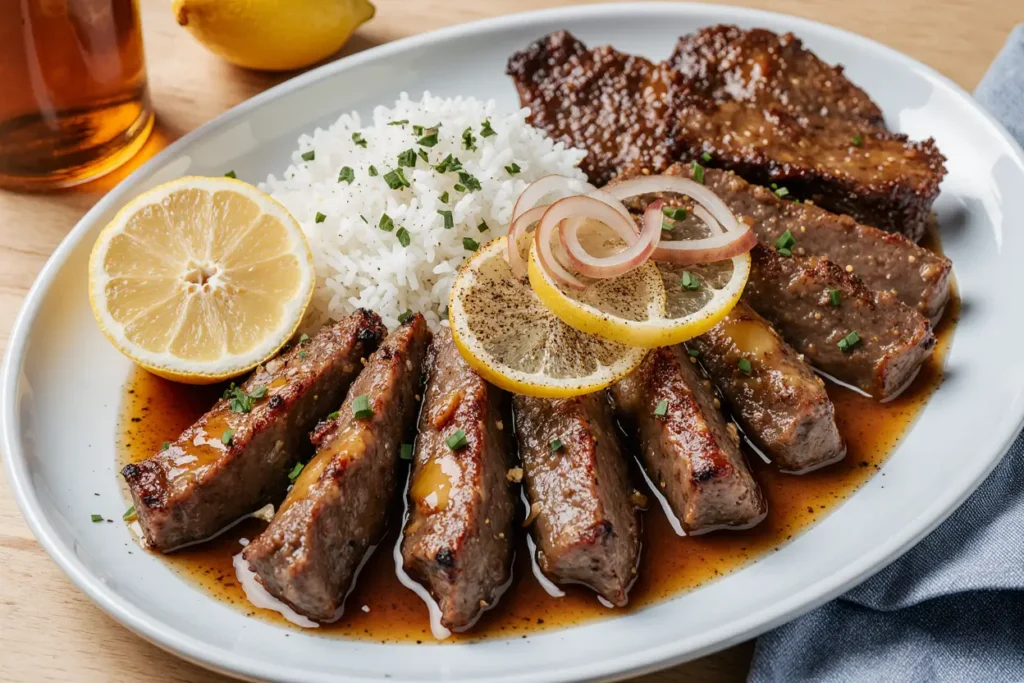
Transfer your savory bistek beef to a serving platter, arranging the beef slices attractively and crowning them with those beautiful onion rings. Drizzle any remaining sauce from the pan over the top. Garnish with fresh parsley or sliced green onions for a pop of color and fresh herbal notes that complement the rich, savory flavors.
Your easy comfort dinner is now ready to serve, filling your kitchen with aromas that rival any Filipino restaurant.
Nutritional Information
Per serving (based on 4 servings):
- Calories: 385 kcal
- Protein: 32g (64% of daily value)
- Carbohydrates: 12g
- Fat: 23g (including 7g saturated fat)
- Fiber: 2g
- Sodium: 890mg (37% of daily value)
- Sugar: 6g
- Iron: 3.2mg (18% of daily value)
- Vitamin C: 12mg (from citrus and onions)
This savory bistek beef provides excellent protein content, supporting muscle maintenance and satiety. The beef delivers essential B vitamins, particularly B12, which supports energy metabolism and neurological function. Iron content is notably high, with one serving providing nearly 20% of daily needs—especially beneficial for those prone to iron deficiency.
The sodium level primarily comes from soy sauce, making low-sodium soy sauce a smart swap for those monitoring salt intake. The onions contribute quercetin, a powerful antioxidant with anti-inflammatory properties, while the citrus juice provides vitamin C that enhances iron absorption from the beef.
Healthier Alternatives for the Recipe
Transform your savory bistek beef into an even more nutritious meal with these thoughtful modifications that preserve authentic flavor:
Lean Protein Options: Substitute beef with thinly sliced chicken breast or pork tenderloin, reducing saturated fat by 60% while maintaining the dish’s signature tangy-savory profile. Turkey breast works beautifully too, offering a mild canvas for the bold marinade.
Sodium Reduction: Use low-sodium soy sauce or coconut aminos (a soy-free alternative) to cut sodium content by up to 40%. You can also dilute regular soy sauce with additional calamansi juice and a splash of beef broth, maintaining depth while reducing salt.
Sugar-Free Adaptation: Omit the brown sugar entirely or replace it with a natural sweetener like stevia. The onions’ natural sweetness when caramelized often provides sufficient balance without added sugars.
Oil Management: Reduce cooking oil to 1-2 tablespoons total by using a non-stick skillet or cooking spray. Consider avocado oil for its heart-healthy monounsaturated fats and higher smoke point.
Vegetable Boost: Add sliced bell peppers, snap peas, or mushrooms during the sauce-simmering stage, increasing fiber and micronutrient density while creating a more complete one-pan meal.
Portion Control: Serve over cauliflower rice instead of traditional white rice to reduce the meal’s overall carbohydrate load by 75% while adding vitamin C and fiber.
These modifications allow you to enjoy this easy comfort dinner while aligning with various dietary goals, from low-carb and keto to heart-healthy eating patterns.
Serving Suggestions
Elevate your savory bistek beef experience with these creative presentation and pairing ideas:
Classic Filipino Style: Serve over a mound of steaming jasmine rice, allowing the sauce to soak into every grain. The fluffy rice balances the dish’s bold flavors while providing satisfying substance. Add a side of atchara (pickled papaya) for tangy crunch that cuts through the richness.
Modern Bowl Approach: Create a bistek bowl with a base of garlic fried rice, topped with the beef and onions, a soft-boiled egg with jammy yolk, and a sprinkle of sesame seeds. This Instagram-worthy presentation appeals to contemporary tastes while honoring traditional flavors.
Low-Carb Variation: Pair with cauliflower rice or zucchini noodles for a lighter meal that highlights the beef’s flavor. Add a simple cucumber salad dressed with rice vinegar for refreshing contrast.
Family-Style Spread: Serve alongside lumpia (Filipino spring rolls), pancit (stir-fried noodles), and ensaladang talong (eggplant salad) for a complete Filipino feast that showcases complementary flavors and textures.
Fusion Twist: Use the savory bistek beef as a filling for tacos with a cabbage slaw, demonstrating the dish’s versatility beyond traditional presentations. The Filipino-Mexican fusion creates exciting flavor combinations that surprise and delight.
Beverage Pairing: Complement with calamansi juice, cold beer, or a light red wine like Pinot Noir that won’t overpower the dish’s delicate citrus notes.
Common Mistakes to Avoid
Master your savory bistek beef by sidestepping these frequent pitfalls:
Overcrowding the Pan: Adding too much beef at once drops the pan temperature, causing steaming instead of searing. This results in gray, tough meat without that essential caramelized crust. Always work in batches, giving each slice space to brown properly.
Skipping the Marinade: Rushing this step produces tough, under-seasoned beef that lacks the dish’s characteristic depth. The marinade isn’t optional—it’s essential for both flavor and texture. Plan ahead to allow at least 30 minutes, ideally longer.
Wrong Beef Cut: Using tough cuts like chuck or round without proper preparation yields chewy results. Stick with tender, quick-cooking cuts like sirloin or ribeye, always sliced thinly against the grain to maximize tenderness.
Over-Marinating: Leaving beef in acidic marinade beyond 12 hours breaks down proteins excessively, creating mushy texture rather than tender meat. Set a timer to prevent this common overcorrection.
Burning the Onions: High heat can quickly turn caramelized onions into bitter, burnt ones. Use medium heat and watch carefully, stirring as needed. Patience here pays dividends in sweetness and visual appeal.
Insufficient Sauce Reduction: Serving the bistek with thin, watery sauce disappoints. Allow proper simmering time for the liquid to reduce and thicken, coating the beef luxuriously.
Neglecting to Taste: Failing to adjust seasoning before serving means missing the opportunity to perfect your dish. Always taste and tweak—every batch of soy sauce has different salt levels, and citrus varies in acidity.
Storing Tips for the Recipe
Maximize your savory bistek beef’s longevity and maintain its delicious quality with proper storage techniques:
Refrigeration: Transfer cooled bistek to an airtight container within 2 hours of cooking. Store in the refrigerator for up to 4 days. The flavors actually deepen overnight as the beef continues absorbing the sauce, making leftovers exceptionally delicious.
Freezing: For longer storage, freeze in portion-sized containers for up to 3 months. Leave 1-inch headspace to allow for expansion. Label containers with the date to track freshness. Thaw overnight in the refrigerator before reheating.
Reheating Methods: Warm gently in a covered skillet over medium-low heat with a splash of water or broth to prevent drying. Alternatively, microwave in 30-second intervals, stirring between each, until heated through. Avoid high heat, which toughens the beef.
Meal Prep Strategy: Prepare the marinade and slice the beef up to 24 hours ahead, storing them separately. Caramelize onions up to 3 days in advance. When ready to cook, simply marinate the beef for 30 minutes and proceed with the recipe—this strategy cuts active cooking time in half.
Sauce Separation: If the sauce separates during storage, simply stir it back together during reheating. The flavors remain intact despite visual changes.
Freshness Indicators: Discard leftovers if you notice off odors, slimy texture, or unusual discoloration. When properly stored, bistek maintains excellent quality throughout its refrigerated life.
Onion Texture Note: Caramelized onions soften further during storage. For crispest onions, store them separately and add them when reheating, or prepare fresh onions when serving leftovers.
Conclusion
This savory bistek beef recipe proves that extraordinary comfort food doesn’t require complicated techniques or obscure ingredients. With simple pantry staples, quality beef, and straightforward methods, you can create an easy comfort dinner that rivals restaurant quality while fitting seamlessly into busy weeknight schedules. The tangy-sweet sauce, tender beef, and caramelized onions combine to deliver satisfaction in every bite—comfort food at its absolute finest.
Whether you’re exploring Filipino cuisine for the first time or seeking to perfect a beloved family recipe, this comprehensive guide equips you with everything needed for success. From the science behind proper searing to creative serving suggestions and meal prep strategies, you now possess the knowledge to make bistek a regular rotation in your dinner lineup.
Ready to experience this incredible dish? Gather your ingredients, set aside 75 minutes, and prepare to fall in love with the bold, comforting flavors of savory bistek beef. Don’t forget to share your results—comment below with your experience, post photos on social media with #SavoryBistekBeef, or explore our other Filipino comfort food recipes for more culinary adventures. Your perfect easy comfort dinner awaits!
FAQs
Can I use a different cut of beef for this recipe?
Absolutely! While sirloin and ribeye are ideal for their tenderness and flavor, you can use flank steak or skirt steak if sliced very thinly against the grain. Top round works if you marinate it longer (4-6 hours) to ensure tenderness. Avoid tough cuts like chuck unless you’re willing to braise them for extended periods, which changes the dish’s nature.
What can I substitute for calamansi juice?
Lemon juice is the closest substitute, providing similar acidity and brightness. Use a 2:1 ratio of lemon juice to lime juice for complexity that mimics calamansi’s unique profile. In a pinch, straight lemon or lime juice works, though the flavor will be slightly different. Some cooks successfully use orange juice mixed with lemon for added sweetness.
How do I prevent the beef from becoming tough?
Three key factors ensure tender beef: slice thinly against the grain, don’t skip the marinade (minimum 30 minutes), and avoid overcooking. Sear quickly over high heat and simmer gently in the sauce—aggressive boiling toughens the meat. Choose naturally tender cuts and let the beef rest for a few minutes before serving.
Can I make this recipe in advance for meal prep?
Yes! Bistek actually improves with time as flavors meld. Prepare the complete dish, cool it quickly, and refrigerate in airtight containers. Reheat gently before serving. For best results, caramelize fresh onions when reheating to maintain their texture and visual appeal. The dish keeps well for 4 days refrigerated or 3 months frozen.
Is there a vegetarian version of bistek?
Create a plant-based version using thick slices of portobello mushrooms or firm tofu as the protein base. The marinade works beautifully with both options. Sear the mushrooms or tofu using the same technique, then simmer in the sauce. While different from traditional bistek, this adaptation captures the dish’s signature tangy-savory character.
Why is my sauce too salty?
This typically happens when using regular soy sauce without tasting first or when the sauce reduces too much, concentrating the salt. Always use low-sodium soy sauce or reduce the amount, then adjust seasoning at the end. If your sauce is already too salty, dilute with water or unsalted beef broth, and balance with a bit more citrus juice or a pinch of sugar.
Can I add vegetables to this dish?
Definitely! Bell peppers, green beans, mushrooms, or snap peas complement the flavors beautifully. Add heartier vegetables like bell peppers when you return the beef to create the sauce. Add delicate vegetables like snap peas during the last 2-3 minutes of simmering. This transforms bistek into a more complete one-pan meal without compromising its character.
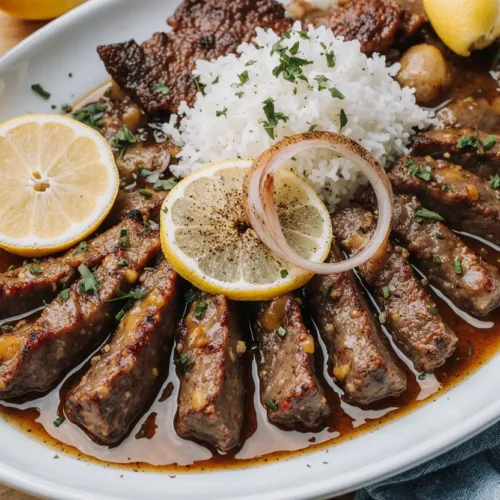
Savory Bistek Beef – Easy Comfort Dinner