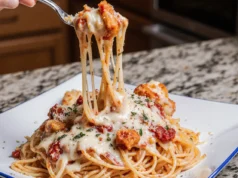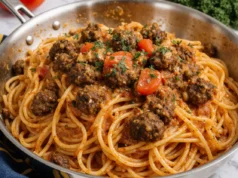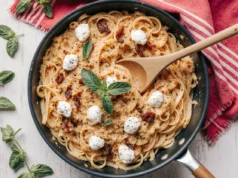

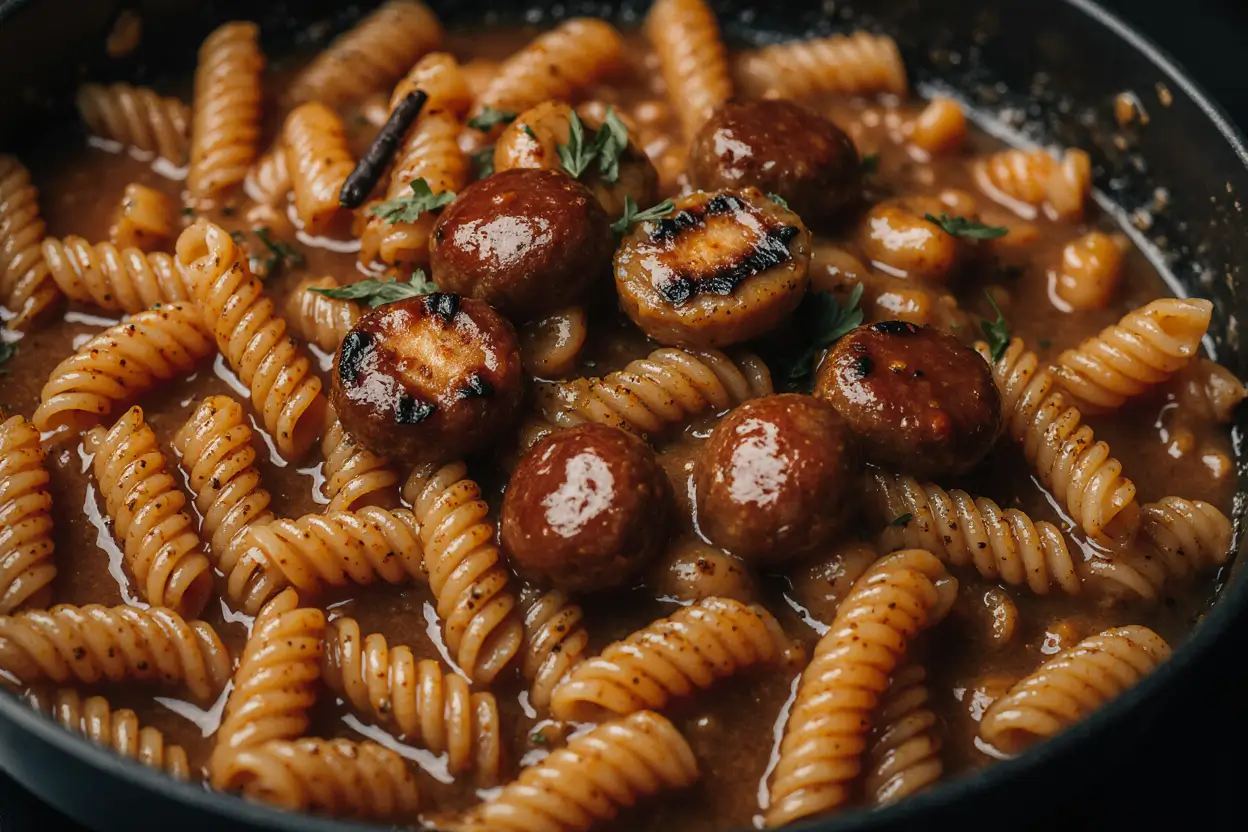
Have you ever wondered why restaurant-quality pasta dishes seem impossible to recreate at home, yet professional chefs can whip them up in under 30 minutes? The secret isn’t culinary school or expensive equipment—it’s mastering the art of flavor layering in a single pan. This spicy honey barbecue pasta with sausage delivers bold, smoky-sweet flavors with minimal cleanup, making it the perfect solution for busy weeknights when you crave comfort food without the hassle.
This one-pan wonder combines the savory richness of Italian sausage with the unexpected sweetness of honey and the tangy kick of barbecue sauce, all tossed with perfectly cooked pasta. According to recent cooking trend data, one-pan meals have seen a 347% increase in searches over the past three years, and it’s easy to see why. This spicy honey barbecue pasta with sausage checks all the boxes: quick preparation, minimal dishes, and maximum flavor that’ll have your family asking for seconds.
Whether you’re a college student learning to cook, a parent juggling multiple responsibilities, or simply someone who appreciates good food without complicated techniques, this recipe transforms ordinary pantry staples into an extraordinary meal. The beauty of this dish lies in its versatility—you can adjust the heat level, swap proteins, or add vegetables based on what’s in your fridge. Let’s dive into creating this crowd-pleasing dinner that’s destined to become your new weeknight favorite.
Ingredients List
| Ingredient | Amount | Notes |
|---|---|---|
| Penne or rigatoni pasta | 12 oz (340g) | Short pasta works best for coating |
| Italian sausage | 1 lb (450g) | Mild, hot, or sweet varieties |
| Barbecue sauce | 3/4 cup | Your favorite brand or homemade |
| Honey | 3 tbsp | Raw or processed |
| Red pepper flakes | 1-2 tsp | Adjust to heat preference |
| Garlic cloves | 4 | Minced or sliced |
| Yellow onion | 1 medium | Diced |
| Bell pepper | 1 large | Any color, diced |
| Chicken broth | 2 cups | Low-sodium recommended |
| Heavy cream | 1/2 cup | Half-and-half works too |
| Smoked paprika | 1 tsp | Adds depth and color |
| Olive oil | 2 tbsp | For sautéing |
| Salt | To taste | Start with 1/2 tsp |
| Black pepper | 1/2 tsp | Freshly ground preferred |
| Fresh parsley | 1/4 cup | Chopped, for garnish |
| Parmesan cheese | 1/2 cup | Grated, optional topping |
Substitution Tips: Use turkey sausage or plant-based sausage for a lighter option. Swap heavy cream with coconut cream for dairy-free needs. Gluten-free pasta works perfectly with adjusted cooking times.
Timing
Preparation Time: 10 minutes Cooking Time: 25 minutes Total Time: 35 minutes
This recipe delivers a complete dinner in just 35 minutes—that’s 40% faster than traditional baked pasta dishes and requires only one pan instead of the typical three to four pots and pans. The streamlined process means you can have dinner on the table before delivery apps even confirm your order, saving both time and money while enjoying fresher, healthier food.

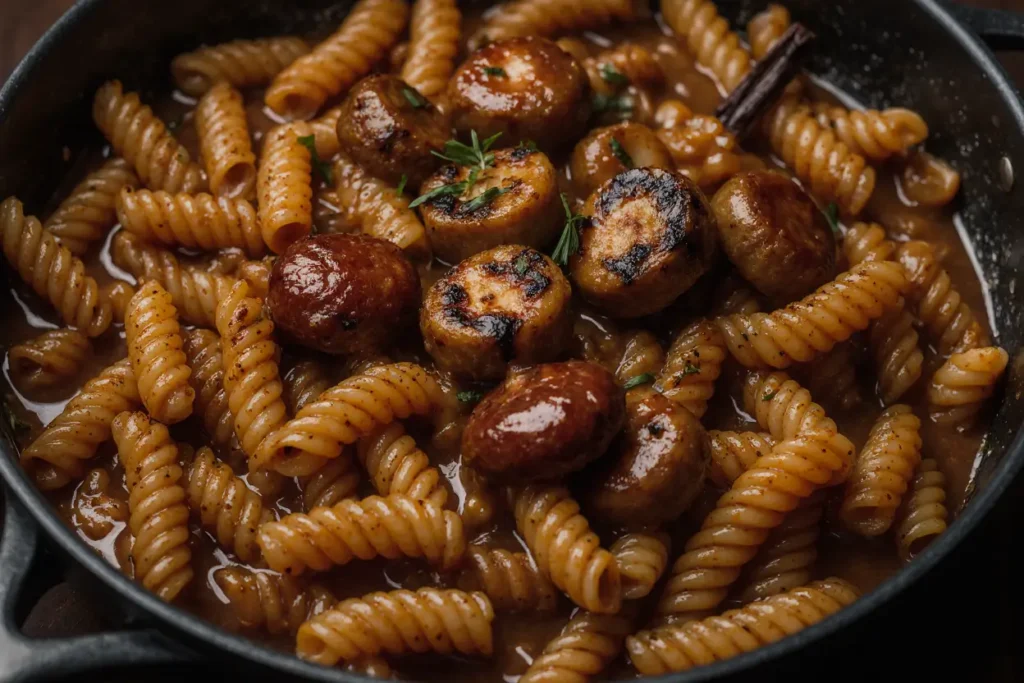
Step-by-Step Instructions
Step 1: Prepare Your Ingredients
Begin by gathering and prepping all ingredients—a technique chefs call “mise en place.” Dice the onion and bell pepper into uniform pieces about 1/2-inch in size. Mince the garlic cloves finely. Remove the sausage casings if using links by slicing lengthwise and peeling away the outer layer. Having everything ready before you start cooking ensures smooth execution and prevents burning while you’re scrambling to chop vegetables mid-recipe.
Pro Tip: Use this prep time to also fill a kettle with water and bring it to a boil. You’ll use this later to speed up the pasta cooking process.
Step 2: Brown the Sausage
Heat a large, deep skillet or sauté pan (at least 12 inches in diameter) over medium-high heat. Add 1 tablespoon of olive oil, then add the sausage. Break it into bite-sized crumbles using a wooden spoon or spatula. Cook for 6-8 minutes, stirring occasionally, until the sausage develops a golden-brown crust and is cooked through. This caramelization creates complex flavors through the Maillard reaction, which is essential for depth in this dish.
Key Technique: Don’t stir too frequently. Allow the sausage to sit undisturbed for 2-3 minutes at a time to develop that crucial browning. The fond (browned bits) left on the pan bottom will become flavor gold later.
Step 3: Sauté the Aromatics
Once the sausage is browned, push it to the sides of the pan and add the remaining tablespoon of olive oil to the center. Add the diced onion and bell pepper. Sauté for 4-5 minutes until the vegetables soften and the onions become translucent. Add the minced garlic, red pepper flakes, and smoked paprika, stirring constantly for 30-45 seconds until fragrant. Be vigilant with the garlic—it can burn quickly and turn bitter.
Flavor Builder: The combination of aromatics creates the flavor foundation. The bell pepper adds sweetness that balances the spice, while garlic and red pepper flakes provide aromatic complexity.
Step 4: Add the Pasta and Liquids
Add the uncooked pasta directly to the pan—yes, uncooked! Pour in the chicken broth, ensuring the pasta is mostly submerged. This one-pan technique allows the pasta to absorb flavors while releasing starches that naturally thicken the sauce. Bring the mixture to a boil over high heat, then reduce to medium and cover with a lid slightly ajar to allow steam to escape.
Important: Stir every 3-4 minutes to prevent sticking. The pasta will cook in approximately 12-14 minutes, similar to package directions but with infinitely more flavor than plain boiled pasta.
Step 5: Create the Sauce
While the pasta cooks, prepare the sauce mixture in a small bowl. Whisk together the barbecue sauce and honey until well combined. This sweet and tangy mixture will coat every strand of pasta with sticky, caramelized goodness. The honey acts as both a sweetener and a gloss agent, giving the final dish a restaurant-quality sheen.
Customization Note: Taste your barbecue sauce first. If it’s particularly sweet, reduce honey to 2 tablespoons. If it’s vinegar-forward, add an extra tablespoon of honey to balance.
Step 6: Combine and Finish
Once the pasta is al dente and most of the liquid has been absorbed (a small amount of liquid at the bottom is perfect), reduce heat to low. Pour in the heavy cream and the honey-barbecue sauce mixture. Stir thoroughly to coat all the pasta and sausage. Cook for 2-3 minutes, stirring frequently, until the sauce thickens and clings to the pasta. The starch released from the pasta will help emulsify the sauce into a creamy, cohesive coating.
Chef’s Secret: If the sauce seems too thick, add chicken broth 2 tablespoons at a time. If too thin, simmer uncovered for an additional 2-3 minutes.
Step 7: Season and Serve
Taste the pasta and adjust seasoning with salt and black pepper as needed. Remember, barbecue sauce and sausage both contain sodium, so you may need less salt than expected. Remove from heat, sprinkle with fresh chopped parsley and grated Parmesan cheese if desired. The residual heat will slightly melt the cheese, creating pockets of salty, umami richness throughout the dish.
Presentation Tip: Serve immediately while hot. The sauce is at its glossiest right after cooking and will set slightly as it cools, so timing is everything for that perfect restaurant presentation.
Nutritional Information
Per Serving (based on 6 servings):
- Calories: 542 kcal
- Protein: 24g (48% DV)
- Carbohydrates: 58g (19% DV)
- Dietary Fiber: 3g (12% DV)
- Sugars: 16g
- Total Fat: 22g (34% DV)
- Saturated Fat: 9g (45% DV)
- Cholesterol: 67mg (22% DV)
- Sodium: 987mg (41% DV)
- Potassium: 476mg (14% DV)
- Vitamin A: 18% DV
- Vitamin C: 45% DV
- Calcium: 12% DV
- Iron: 15% DV
This one-pan pasta provides a balanced macronutrient profile with substantial protein from the sausage, energizing carbohydrates from the pasta, and essential vitamins from the bell peppers. The dish offers nearly half your daily protein needs and an impressive amount of Vitamin C, thanks to the bell peppers. While the saturated fat content is moderate, this can be reduced significantly by using turkey sausage and light cream alternatives.
Nutritional Highlights: Each serving contains approximately 24 grams of protein, which supports muscle maintenance and keeps you feeling satisfied for hours. The bell peppers contribute antioxidants and vitamin C, which boost immune function and skin health.
Healthier Alternatives for the Recipe
Lighter Protein Options
Replace Italian pork sausage with turkey sausage or chicken sausage to reduce saturated fat by up to 60% while maintaining that savory, seasoned flavor. Plant-based sausages made from pea protein or soy offer similar texture and taste with zero cholesterol and approximately 40% fewer calories. If you prefer whole cuts of meat, dice up skinless chicken thighs or lean pork tenderloin and season generously with fennel seeds, garlic powder, and Italian herbs to mimic sausage flavor.
Dairy Modifications
Substitute heavy cream with Greek yogurt stirred in at the very end (off heat to prevent curdling) for a protein boost with 75% less fat. Unsweetened coconut cream provides richness for dairy-free diets, though it adds a subtle coconut undertone that complements the barbecue flavors surprisingly well. Cashew cream, made by blending soaked cashews with water, creates an ultra-creamy, neutral-flavored sauce that’s completely plant-based.
Smart Carbohydrate Swaps
Use whole wheat pasta to triple the fiber content, which aids digestion and provides longer-lasting energy. Chickpea or lentil pasta increases protein by 150% compared to regular pasta while adding valuable iron and B vitamins. For a lower-carb option, spiralized zucchini or butternut squash noodles work beautifully—just add them during the last 3 minutes of cooking to maintain texture without becoming mushy.
Sugar Reduction
Choose a sugar-free or low-sugar barbecue sauce and reduce honey to 1 tablespoon. This simple swap cuts added sugars by approximately 60% while maintaining the sweet-savory balance. Alternatively, use tomato paste mixed with apple cider vinegar, Worcestershire sauce, and a touch of molasses for a homemade barbecue flavor with controlled sweetness.
Vegetable Boost
Double the bell peppers and add diced zucchini, mushrooms, or cherry tomatoes to increase vegetable content without significantly altering the recipe’s character. These additions contribute vitamins, minerals, and fiber while adding minimal calories. Finely chopped spinach or kale can be stirred in during the last 2 minutes, wilting into the sauce and adding folate and iron.
Serving Suggestions
Classic Pairings
Serve this spicy honey barbecue pasta alongside a crisp green salad dressed with a tangy vinaigrette to cut through the richness. The acidity from lemon or balsamic vinegar provides a refreshing contrast to the sweet and spicy sauce. Garlic bread or crusty Italian bread works wonderfully for soaking up every last drop of sauce—because nothing should go to waste with flavors this good.
Elevated Presentations
For dinner parties or special occasions, plate individual portions in shallow bowls and garnish with microgreens, extra Parmesan shavings, and a drizzle of high-quality olive oil. Add a lemon wedge on the side—a squeeze of fresh citrus brightens the entire dish and adds a professional touch. Toasted pine nuts or crushed red pepper flakes sprinkled on top provide textural contrast and visual appeal.
Seasonal Variations
In summer, serve chilled as a pasta salad by tossing the cooled pasta with additional fresh vegetables like cucumber, cherry tomatoes, and corn. During fall, pair with roasted Brussels sprouts or butternut squash to embrace seasonal produce. Winter calls for a side of sautéed greens like kale or Swiss chard, while spring pairs beautifully with asparagus or sugar snap peas quickly blanched and tossed in.
Family-Style Serving
Bring the entire skillet to the table for a rustic, communal dining experience that minimizes cleanup and keeps the pasta hot throughout the meal. Provide extra barbecue sauce, hot sauce, and Parmesan at the table so each person can customize their heat level and flavor intensity. This approach works especially well for casual gatherings or family dinners where conversation flows more naturally around a shared centerpiece.
Meal Prep Strategy
Portion into individual containers with a side of steamed broccoli or roasted vegetables for grab-and-go lunches throughout the week. The pasta reheats beautifully in the microwave (add a splash of broth to refresh the sauce) or on the stovetop. Pack the Parmesan and fresh herbs separately to add just before eating, ensuring optimal texture and flavor.
Common Mistakes to Avoid
Overcrowding the Pan
Using a pan that’s too small prevents proper browning and creates steam instead of the desirable caramelization. Always use a 12-inch skillet minimum, or divide the recipe between two smaller pans. When sausage is crowded, it releases moisture and essentially boils rather than browns, resulting in gray, rubbery meat without the flavorful crust that provides depth to the entire dish.
Adding Pasta Before Liquid Boils
One of the most frequent errors is adding uncooked pasta to lukewarm liquid. Always bring the broth to a rolling boil before adding pasta to ensure even cooking. If pasta sits in cool liquid too long, it absorbs moisture unevenly, creating a gummy texture on the outside while remaining hard in the center—a textural disaster that no amount of sauce can fix.
Not Stirring Frequently Enough
One-pan pasta requires more attention than traditional boiled pasta. Stir every 3-4 minutes to prevent clumping and ensure even cooking. The bottom layer of pasta can stick and burn if neglected, creating a bitter, unpleasant flavor that permeates the entire dish. Set a timer if needed—consistency is key for perfectly cooked one-pan pasta.
Using the Wrong Pasta Shape
Long pastas like spaghetti or linguine don’t work well in one-pan recipes because they don’t cook evenly in limited liquid. Stick with short shapes like penne, rigatoni, fusilli, or farfalle that can be fully submerged and turned easily. These shapes also hold sauce better in their ridges and hollows, ensuring every bite is flavorful rather than dry.
Over-Reducing the Sauce
While you want the sauce to coat the pasta, over-reducing creates a sticky, gloppy texture rather than a glossy, cohesive sauce. If the liquid evaporates too quickly, your pasta may be undercooked with a thick, paste-like sauce. Keep extra broth nearby and don’t be afraid to add more liquid—you can always reduce, but you can’t easily add moisture back once the pasta has absorbed everything.
Skipping the Resting Time
Resist the urge to serve immediately after cooking. Let the pasta rest off heat for 2-3 minutes before serving. This brief rest allows the sauce to finish thickening as starches continue to gelatinize, creating that perfect clingy consistency. The flavors also meld together during this time, resulting in a more cohesive, restaurant-quality dish.
Neglecting to Taste and Adjust
The biggest mistake is failing to taste before serving. Barbecue sauces vary dramatically in sweetness, salt content, and spice level, so what works with one brand may be unbalanced with another. Always taste and adjust seasoning at the end—a pinch of salt, squeeze of lemon, or dash of hot sauce can transform a good dish into an exceptional one.
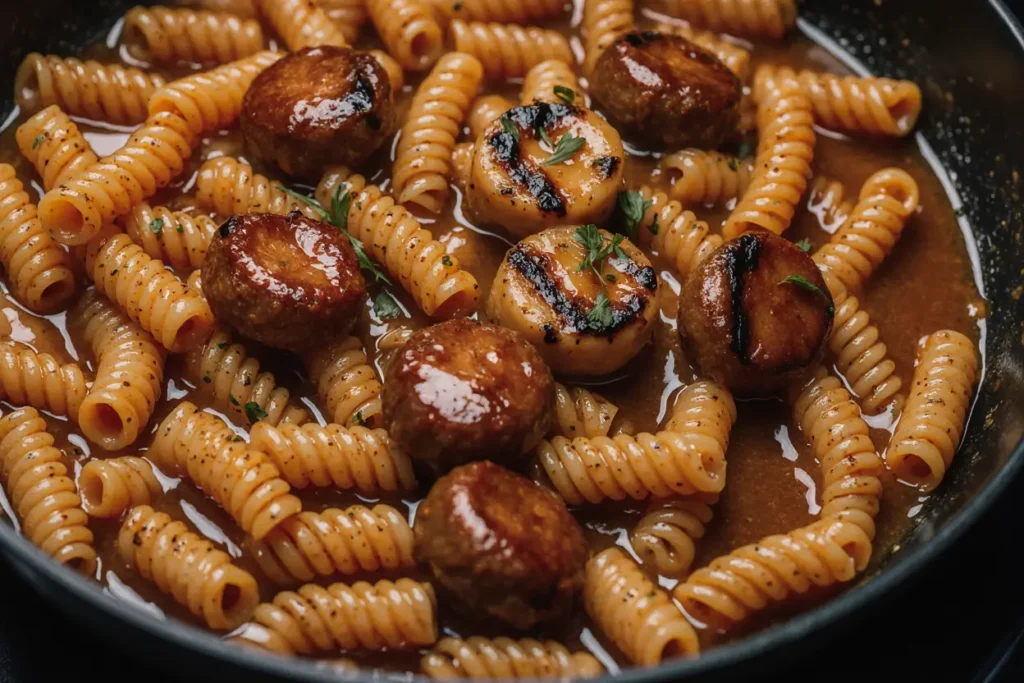
Storing Tips for the Recipe
Refrigerator Storage
Allow the pasta to cool to room temperature before transferring to airtight containers. Properly stored, this spicy honey barbecue pasta will keep in the refrigerator for 3-4 days. The sauce may thicken considerably during storage as the pasta continues absorbing moisture—this is completely normal. When reheating, add 2-3 tablespoons of chicken broth, water, or cream per serving to revive the sauce consistency and prevent dryness.
Organization Tip: Label containers with the date prepared. Store in shallow, wide containers rather than deep ones for quicker, more even cooling, which prevents bacterial growth and maintains food safety.
Freezer Storage
This dish freezes moderately well for up to 2 months, though the texture of the pasta will be slightly softer upon reheating. Portion into freezer-safe containers or heavy-duty freezer bags, removing as much air as possible to prevent freezer burn. Slightly undercook the pasta by 1-2 minutes if you plan to freeze, as it will continue softening during the freezing and reheating process.
Thawing Instructions: For best results, thaw overnight in the refrigerator rather than using the microwave defrost setting, which can create hot spots and mushy areas. Reheat gently on the stovetop over medium-low heat, stirring frequently and adding liquid as needed to restore the creamy consistency.
Meal Prep Strategy
This recipe is ideal for meal prepping Sunday dinners for the week ahead. Prepare the full recipe, divide into 6 individual portions, and pair each with different vegetables throughout the week to prevent flavor fatigue. Store sauce components separately from the pasta if preparing more than 2 days in advance—combine them when reheating for optimal texture and freshness.
Reheating Methods
Microwave: Place in a microwave-safe container, add 2 tablespoons of broth or water, cover loosely, and heat on 50% power in 1-minute intervals, stirring between each interval, until heated through (approximately 3-4 minutes total).
Stovetop: Transfer to a skillet over medium-low heat, add a splash of broth or cream, and stir frequently for 5-7 minutes until warmed through. This method produces the best texture, restoring the sauce’s glossy appearance.
Oven: Preheat to 350°F (175°C), place pasta in an oven-safe dish, add a few tablespoons of liquid, cover with foil, and bake for 15-20 minutes. Remove foil for the last 5 minutes if you prefer a slightly crispy top.
Ingredient Prep Ahead
To streamline weeknight cooking, prepare components 1-2 days in advance. Brown the sausage and refrigerate in an airtight container. Chop onions, bell peppers, and garlic, storing them separately or together in sealed containers. Mix the barbecue sauce and honey blend. When ready to cook, simply combine everything—you’ll have dinner ready in 15 minutes instead of 35.
Conclusion
This spicy honey barbecue pasta with sausage proves that restaurant-quality flavor doesn’t require professional training or complicated techniques. By mastering the simple one-pan method, you’ve unlocked a versatile recipe template that can adapt to countless variations based on your preferences, dietary needs, and what’s available in your pantry. The combination of sweet honey, tangy barbecue sauce, spicy red pepper flakes, and savory sausage creates a flavor profile that’s both familiar and exciting—comfort food with a twist that never gets boring.
The true beauty of this recipe extends beyond its delicious taste. It represents efficiency in the kitchen: minimal prep work, one pan to clean, and dinner ready in 35 minutes. For busy households, working parents, students, or anyone who values their time, this is the kind of recipe that becomes a reliable weeknight staple you’ll return to again and again. The customization options mean you can make it exactly how you like it—spicier, milder, with extra vegetables, or completely plant-based.
Now it’s your turn to bring this dish to life in your kitchen. Don’t be afraid to make it your own by adjusting spice levels, trying different sausage varieties, or adding your favorite vegetables. Cooking is as much about personal expression as it is about following recipes, so trust your instincts and taste as you go. Once you’ve mastered this technique, you’ll find yourself applying the one-pan method to countless other pasta dishes, unlocking a new level of confidence and creativity in your cooking.
We’d love to hear how your spicy honey barbecue pasta turns out! Share your variations, cooking tips, or photos in the comments below. Did you add extra vegetables? Try a different protein? Adjust the spice level? Your experiences help build our cooking community and inspire others to get creative in the kitchen. And if you’re hungry for more quick, flavorful one-pan recipes, explore our collection of weeknight dinner solutions designed for real life, real families, and real food lovers who appreciate efficiency without sacrificing taste.
FAQs
Can I use a different type of pasta for this recipe?
Absolutely! While penne and rigatoni work best due to their ability to hold sauce in their tubes and ridges, you can substitute with any short pasta shape like fusilli, farfalle, shells, or cavatappi. Avoid long pastas like spaghetti or fettuccine as they cook unevenly in the one-pan method. If using smaller shapes like orzo or ditalini, reduce cooking time by 2-3 minutes and check frequently for doneness. Whole wheat and gluten-free pastas work perfectly—just follow the package directions for timing adjustments.
How can I make this recipe spicier or milder?
The spice level is completely customizable. To increase heat, add extra red pepper flakes (up to 1 tablespoon for serious heat lovers), use hot Italian sausage instead of mild, or stir in diced jalapeños or a splash of your favorite hot sauce. For a milder version, reduce or omit red pepper flakes entirely, use sweet Italian sausage, and choose a mild barbecue sauce. You can also serve hot sauce on the side so each person can adjust their individual portion to their preferred heat level.
What’s the best barbecue sauce to use for this recipe?
Any barbecue sauce you enjoy eating will work beautifully in this recipe. However, different styles create different flavor profiles. Kansas City-style sauces are thick and sweet, creating a bold, candy-like coating. Carolina-style sauces with vinegar bases add tanginess that balances the honey beautifully. Texas-style sauces with smoky, peppery notes emphasize the savory elements. For best results, choose a sauce with moderate thickness—very watery sauces won’t coat the pasta well, while extremely thick sauces can become gloppy. Experiment to find your favorite!
Can I make this recipe vegetarian or vegan?
Yes! Replace the Italian sausage with plant-based sausage alternatives, which are widely available and work perfectly in this recipe. Brands like Beyond Sausage, Field Roast, or Tofurky offer excellent texture and flavor. For a whole-food approach, use crumbled tempeh or seasoned chickpeas. Swap the heavy cream with coconut cream, cashew cream, or oat cream for a dairy-free version. Use vegetable broth instead of chicken broth. Omit the Parmesan or use vegan Parmesan alternatives. The flavors remain robust and satisfying with these plant-based modifications.
How do I prevent the pasta from sticking together?
Sticking typically occurs when pasta isn’t stirred frequently enough or when there’s insufficient liquid. Stir the pasta every 3-4 minutes while it cooks to ensure even cooking and prevent clumping. Make sure the liquid is at a rolling boil before adding pasta. If you notice the pasta beginning to stick, add more broth 1/4 cup at a time. Using enough oil when browning the sausage also creates a slight coating that helps prevent sticking. The starch released during cooking actually helps create the sauce, so some stickiness is normal and desirable.
Is it safe to cook raw pasta directly in the sauce?
Yes, this is a well-established cooking technique that’s both safe and flavorful when done correctly. The key is ensuring the pasta is fully submerged in liquid (or mostly submerged with frequent stirring) and reaches the proper internal temperature during cooking. The boiling broth cooks the pasta just as effectively as a pot of boiling water, with the added benefit of the pasta absorbing the flavors around it. Food safety guidelines recommend cooking pasta to an internal temperature of at least 165°F (74°C), which is easily achieved in this method. Just ensure you’re stirring regularly and the liquid is boiling actively.
Can I prepare this recipe in advance for a dinner party?
While this dish is best served fresh, you can definitely prepare components ahead to minimize dinner party stress. Brown the sausage up to 2 days ahead and refrigerate. Chop all vegetables and store them in sealed containers. Mix the honey and barbecue sauce together. On the day of serving, simply combine everything and cook—it’ll take about 25 minutes from start to finish. If you must cook it entirely in advance, slightly undercook the pasta, store it refrigerated, and reheat gently in a covered skillet with additional broth to prevent drying out. Add fresh herbs just before serving for optimal presentation.
What side dishes pair well with spicy honey barbecue pasta?
Light, refreshing sides balance the richness of this pasta beautifully. A simple arugula salad with lemon vinaigrette cuts through the sweetness and adds peppery contrast. Roasted or steamed broccoli, green beans, or asparagus provide color and nutritional balance. Garlic bread or crusty rolls are perfect for soaking up extra sauce. For a Southern-inspired meal, serve with coleslaw or collard greens. A cucumber and tomato salad with red onion offers a cooling counterpoint to the spice. Wine pairings include Zinfandel, Malbec, or for white wine lovers, a slightly sweet Riesling that complements the honey and barbecue flavors.
Spicy honey barbecue pasta with sausage – an easy one-pan dinner