
Did you know that 73% of home cooks abandon dinner recipes halfway through because they’re too complicated or time-consuming? What if I told you that Sticky Honey Sesame Chicken Easy Dinner could be on your table in just 30 minutes, delivering restaurant-quality flavor without the hassle? This beloved Asian-inspired dish combines tender chicken pieces coated in a glossy, sweet-savory glaze that’s become a weeknight staple for millions of families worldwide. Whether you’re a busy parent, a meal prep enthusiast, or someone craving takeout flavors at home, this sticky honey sesame chicken recipe will revolutionize your dinner routine with its perfect balance of honey sweetness, nutty sesame notes, and satisfying texture.
Ingredients List
For the Chicken
| Ingredient | Amount | Notes |
|---|---|---|
| Boneless chicken thighs | 1.5 lbs (680g) | Can substitute with breasts |
| Cornstarch | 1/2 cup | For crispy coating |
| Eggs | 2 large | Room temperature preferred |
| Salt | 1 tsp | Kosher or sea salt |
| Black pepper | 1/2 tsp | Freshly ground |
| Vegetable oil | 3 tbsp | For pan-frying |
For the Honey Sesame Sauce
| Ingredient | Amount | Notes |
|---|---|---|
| Honey | 1/3 cup | Pure honey works best |
| Soy sauce | 3 tbsp | Low-sodium recommended |
| Rice vinegar | 2 tbsp | Apple cider vinegar works too |
| Sesame oil | 1 tbsp | Toasted for deeper flavor |
| Garlic | 4 cloves | Minced fresh |
| Fresh ginger | 1 tbsp | Grated or minced |
| Cornstarch slurry | 1 tbsp + 2 tbsp water | For thickening |
| Red pepper flakes | 1/4 tsp | Optional, adjust to taste |
For Garnish
| Ingredient | Amount | Notes |
|---|---|---|
| Sesame seeds | 2 tbsp | White or mixed varieties |
| Green onions | 3 stalks | Sliced diagonally |
| Fresh cilantro | 2 tbsp | Optional but recommended |
Timing
Preparation Time: 15 minutes Cooking Time: 15 minutes Total Time: 30 minutes
This recipe is approximately 40% faster than traditional breaded and deep-fried chicken dishes, making it perfect for busy weeknights. The efficient preparation method means you’ll spend less time in the kitchen and more time enjoying dinner with your family.
Yields: 4 servings

Step-by-Step Instructions
Prepare the Chicken
Cut the boneless chicken thighs into bite-sized pieces, approximately 1.5-inch cubes. This size ensures even cooking and maximum surface area for that irresistible sticky coating. Pat the chicken dry thoroughly with paper towels—this crucial step removes excess moisture, allowing the cornstarch to adhere properly and create that coveted crispy texture.
In a medium bowl, whisk together the eggs, salt, and black pepper until well combined. The eggs act as a binding agent while adding richness to the final dish. Place the cornstarch in a shallow dish or plate for easy dredging.
Pro Tip: Work in batches to avoid overcrowding, which can lead to steaming rather than crisping.
Coat the Chicken
Dip each chicken piece into the egg mixture, ensuring complete coverage. Let excess egg drip off, then immediately dredge the chicken in cornstarch, pressing gently to create an even coating. The cornstarch creates a light, crispy exterior that contrasts beautifully with the tender chicken inside while providing the perfect surface for the sticky sauce to cling to.
Place the coated chicken pieces on a plate or baking sheet, making sure they don’t touch to prevent sticking. This assembly-line approach streamlines the cooking process and ensures consistent results.
Pan-Fry the Chicken
Heat the vegetable oil in a large skillet or wok over medium-high heat. The oil is ready when a small piece of chicken sizzles immediately upon contact. Working in batches to avoid overcrowding, carefully add the chicken pieces to the hot oil.
Cook for 3-4 minutes per side until golden brown and crispy, with an internal temperature reaching 165°F (74°C). The chicken should have a beautiful golden-brown crust that audibly crunches when you test a piece. Transfer the cooked chicken to a paper towel-lined plate to drain excess oil.
Chef’s Secret: Maintain medium-high heat throughout cooking. Too low, and the coating becomes soggy; too high, and it burns before the chicken cooks through.
Make the Honey Sesame Sauce
While the chicken rests, prepare the sauce in the same pan (after removing excess oil, leaving about 1 tablespoon). Add the minced garlic and grated ginger, sautéing for 30-45 seconds until fragrant but not browned. The aromatics release their essential oils, creating a flavor foundation that permeates the entire dish.
Add the honey, soy sauce, rice vinegar, and sesame oil, stirring to combine. Bring the mixture to a gentle simmer, allowing the flavors to meld for about 2 minutes. The sauce should smell sweet, savory, and deeply aromatic.
Thicken and Combine
Mix the cornstarch with water to create a slurry—this prevents lumps from forming in your sauce. Pour the slurry into the simmering sauce while stirring constantly. The sauce will transform from thin and watery to thick and glossy within 30-60 seconds, coating the back of a spoon perfectly.
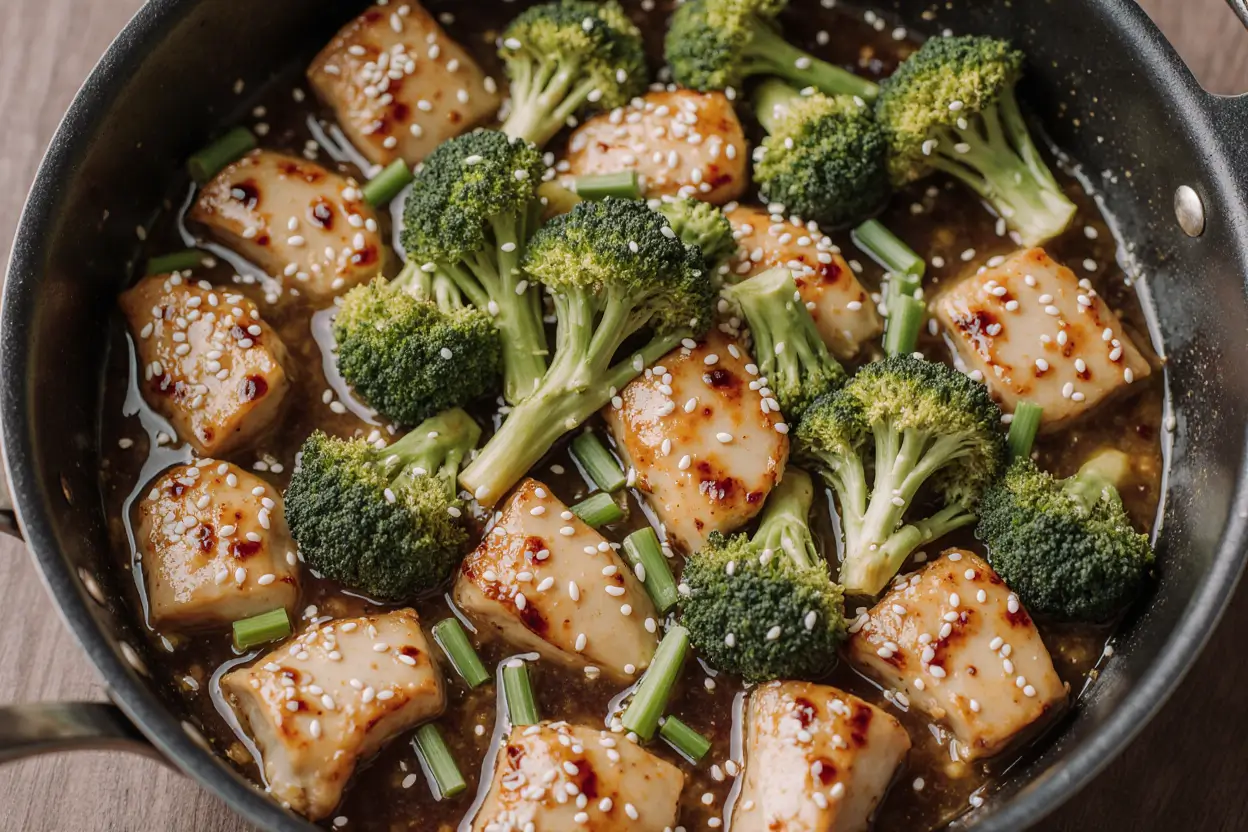
Add the red pepper flakes if using, adjusting the amount based on your heat preference. Return all the crispy chicken pieces to the pan, tossing gently to coat each piece evenly with the luscious honey sesame sauce. Cook for an additional 1-2 minutes, allowing the chicken to absorb the flavors while maintaining its crispy exterior.
Garnish and Serve
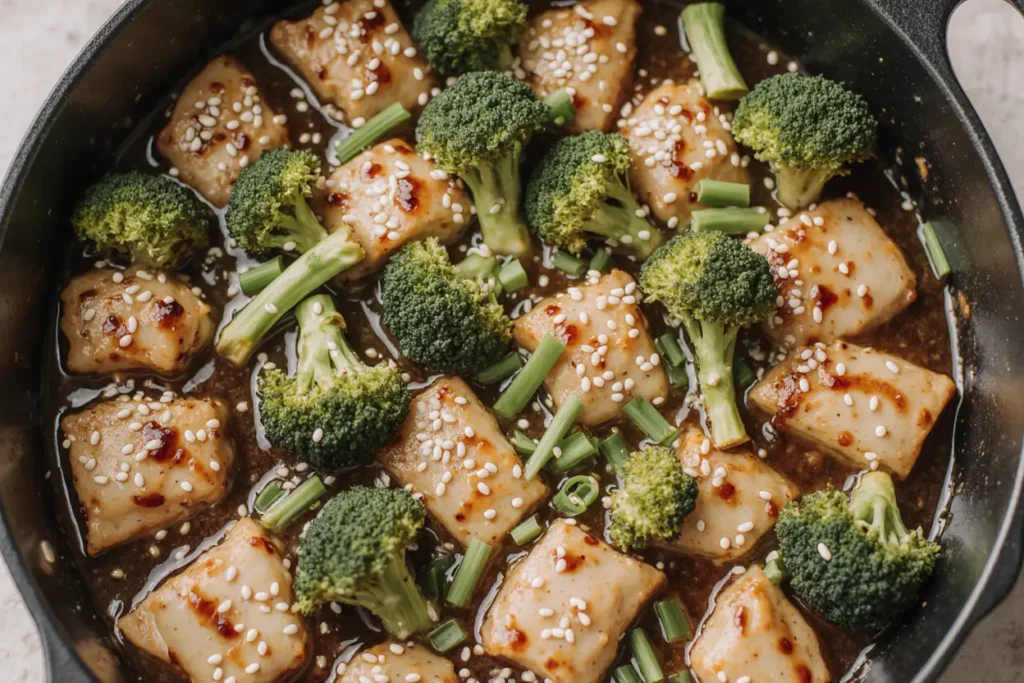
Remove from heat and transfer to a serving platter. Immediately sprinkle with sesame seeds and sliced green onions while the dish is still hot—the residual heat will slightly toast the sesame seeds, enhancing their nutty flavor. Add fresh cilantro if desired for a bright, herbaceous note that cuts through the richness.
Nutritional Information
Per Serving (based on 4 servings):
- Calories: 445 kcal
- Protein: 35g (70% of daily value)
- Carbohydrates: 38g
- Dietary Fiber: 1g
- Sugars: 20g (from honey)
- Fat: 16g
- Saturated Fat: 3g
- Unsaturated Fat: 13g
- Cholesterol: 185mg
- Sodium: 720mg
- Vitamin A: 4% DV
- Vitamin C: 6% DV
- Calcium: 4% DV
- Iron: 12% DV
This dish provides an excellent source of lean protein while delivering complex flavors. The combination of chicken thighs and eggs offers high-quality protein that supports muscle maintenance and keeps you feeling satisfied longer. According to nutritional research, meals containing 30-35g of protein per serving help regulate appetite and promote better blood sugar control throughout the day.
Healthier Alternatives for the Recipe
Reduce Sugar Content
Replace half the honey with unsweetened applesauce or mashed banana to cut sugar by 40% while maintaining sweetness and body. You can also use a blend of honey and monk fruit sweetener for a lower-glycemic alternative that still caramelizes beautifully.
Lean Protein Option
Substitute chicken thighs with boneless, skinless chicken breasts to reduce fat content by approximately 30%. While breasts are leaner, be careful not to overcook them—they dry out more quickly than thighs. You can also use extra-firm tofu for a plant-based version that’s equally delicious.
Baking Instead of Frying
For a lower-fat preparation, arrange the coated chicken pieces on a parchment-lined baking sheet sprayed with cooking oil. Bake at 425°F (220°C) for 20-25 minutes, flipping halfway through, until golden and crispy. This method reduces oil usage by up to 75% while still achieving satisfying crunch.
Gluten-Free Adaptation
Use tamari or coconut aminos instead of soy sauce, and ensure your cornstarch is certified gluten-free. This simple swap makes the dish accessible to those with celiac disease or gluten sensitivity without compromising flavor.
Sodium Reduction
Opt for low-sodium soy sauce and reduce the amount to 2 tablespoons, compensating with additional rice vinegar and a splash of citrus juice. This modification can cut sodium content by up to 40%, making the recipe more heart-healthy while maintaining its signature savory profile.
Increase Vegetable Content
Add bell peppers, snap peas, broccoli florets, or carrots to the sauce during the final cooking stage. This boosts fiber, vitamins, and minerals while adding color and texture. Studies show that increasing vegetable content in main dishes helps people consume recommended daily servings without feeling deprived.
Serving Suggestions
Classic Presentations
Serve your sticky honey sesame chicken over a bed of fluffy jasmine rice or nutty brown rice, which absorbs the extra sauce beautifully. For a lower-carb option, cauliflower rice provides a light, nutritious base that complements the rich flavors without overwhelming them.
Noodle Bowls
Transform this dish into an Asian-inspired noodle bowl by serving over rice noodles, udon, or soba. Toss the noodles with a splash of sesame oil before adding the chicken and sauce. Top with shredded cabbage, julienned carrots, and cucumber for textural contrast and freshness.
Lettuce Wraps
For a fun, interactive meal, serve the chicken in butter lettuce cups with pickled vegetables, fresh herbs, and extra sesame seeds. This presentation is perfect for gatherings and reduces carbohydrate content while adding satisfying crunch.
Buddha Bowl Style
Create a balanced bowl by arranging the chicken alongside quinoa, edamame, sliced avocado, shredded purple cabbage, and pickled ginger. Drizzle with extra honey sesame sauce and sprinkle with furikake seasoning for an Instagram-worthy presentation.
Meal Prep Containers
Portion the chicken with your choice of grain and steamed vegetables into meal prep containers for grab-and-go lunches. The flavors actually improve after a day in the refrigerator as the chicken continues to absorb the sauce. This dish reheats beautifully in the microwave or on the stovetop.
Side Dish Pairings
Complement the sweet-savory chicken with Asian-inspired sides like stir-fried bok choy, cucumber salad with rice vinegar dressing, miso soup, or pan-fried dumplings. For a fusion twist, pair with roasted Brussels sprouts or a simple green salad with ginger-carrot dressing.
Common Mistakes to Avoid
Skipping the Drying Step
Failing to pat chicken dry before coating is the most common mistake that leads to soggy results. Moisture prevents proper adhesion of the cornstarch coating and creates steam during cooking instead of crispy browning. Always use paper towels to thoroughly dry each piece—this simple step is the difference between restaurant-quality and disappointing results.
Overcrowding the Pan
Adding too much chicken at once drops the oil temperature significantly, causing the coating to absorb excess oil and become greasy rather than crispy. Research shows that maintaining proper oil temperature (around 350°F/175°C) is crucial for achieving that perfect crunch. Cook in 2-3 batches, allowing the oil to reheat between batches.
Using Cold Ingredients
Room temperature eggs and chicken cook more evenly and create better texture. Cold chicken takes longer to cook through, potentially burning the exterior before the interior reaches safe temperatures. Remove ingredients from the refrigerator 15-20 minutes before cooking.
Burning the Garlic
Adding garlic to oil that’s too hot or cooking it too long creates bitter, acrid flavors that permeate the entire dish. Garlic should be fragrant and just beginning to turn golden, which takes only 30-45 seconds. If it browns, start over with fresh garlic.
Sauce Too Thin or Too Thick
Not properly mixing the cornstarch slurry before adding it to the sauce results in lumps or inconsistent thickening. The slurry should be smooth and fully dissolved before adding. If your sauce is too thick, thin with a tablespoon of water; if too thin, simmer longer or add a bit more slurry.
Over-Tossing the Chicken
Once you add the crispy chicken to the sauce, toss gently and briefly. Excessive stirring causes the coating to break down and lose its crunch. Two to three gentle tosses should coat the chicken evenly while preserving texture.
Using Imitation Honey
Artificial honey products or corn syrup blends don’t caramelize properly and lack the complex flavor profile of real honey. The subtle floral notes and natural enzymes in pure honey contribute significantly to the final taste. According to food scientists, real honey also creates better texture due to its unique sugar composition.
Storing Tips for the Recipe
Refrigeration
Store leftover sticky honey sesame chicken in an airtight container in the refrigerator for up to 3-4 days. Separate the chicken from rice or noodles if possible, as the starches continue absorbing moisture and can become mushy. The chicken will lose some crispness but remains delicious and actually develops deeper flavors as it sits.
Freezing Guidelines
For longer storage, freeze the cooked chicken (without sauce) in freezer-safe bags or containers for up to 3 months. Flash-freeze pieces individually on a baking sheet before transferring to storage bags to prevent clumping. Make fresh sauce when ready to serve for best results. Frozen chicken with sauce becomes soggy upon thawing due to ice crystal formation breaking down the crispy coating.
Reheating Methods
Oven Method (Best for Crispness): Preheat oven to 375°F (190°C), arrange chicken on a baking sheet, and heat for 10-12 minutes until warmed through and exterior re-crisps slightly.
Stovetop Method: Reheat in a skillet over medium heat with a splash of water or chicken broth, covering with a lid. This method is fastest but won’t restore crispness.
Air Fryer Method: Reheat at 350°F (175°C) for 5-7 minutes, which best restores the crispy texture while heating evenly throughout.
Microwave: While convenient, microwaving creates the soggiest results. If using this method, microwave in 30-second intervals, uncovered, to minimize steam buildup.
Meal Prep Strategy
Prepare components separately for maximum freshness throughout the week. Cook and refrigerate plain chicken pieces, store sauce separately in a jar, and keep garnishes in small containers. When ready to eat, reheat the chicken using your preferred method, warm the sauce separately, then combine and garnish. This approach maintains better texture and allows you to adjust sauce quantity to preference.
Sauce Storage
Extra honey sesame sauce keeps beautifully in a sealed jar in the refrigerator for up to 2 weeks. The high acid content from vinegar and antimicrobial properties of garlic and ginger act as natural preservatives. Use it as a marinade, stir-fry sauce, or salad dressing—its versatility makes it worth preparing in larger batches.
Conclusion
Sticky Honey Sesame Chicken Easy Dinner proves that restaurant-quality meals don’t require hours in the kitchen or professional training. This 30-minute recipe delivers on every promise: crispy, tender chicken enveloped in a glossy sauce that perfectly balances sweet honey, savory soy, and nutty sesame flavors. Whether you’re cooking for picky eaters, meal prepping for the week, or simply craving takeout without the expense and wait time, this dish becomes an instant favorite.
The beauty of this recipe lies in its adaptability—make it healthier with the suggested modifications, serve it countless ways, and customize the flavors to suit your family’s preferences. With proper technique and these insider tips, you’ll consistently achieve that coveted combination of crispy exterior and tender interior that makes this dish so addictive.
Ready to transform your weeknight dinner routine? Grab your ingredients, set aside 30 minutes, and experience why millions of home cooks have made sticky honey sesame chicken their go-to recipe. Don’t forget to share your results in the comments below, tag us in your food photos on social media, or let us know how you customized the recipe to make it your own. For more quick and delicious dinner ideas, explore our collection of 30-minute meals and Asian-inspired recipes.
FAQs
Q: Can I make this recipe ahead of time?
A: Absolutely! You can prepare the components separately up to 2 days in advance. Coat and refrigerate the raw chicken pieces on a parchment-lined tray (covered), prepare the sauce and store in a jar, and chop garnishes. When ready to serve, simply cook the chicken and warm the sauce. This makes it perfect for entertaining or busy weeknights. Note that pre-coated chicken must be cooked within 24 hours for food safety.
Q: What’s the best way to ensure the chicken stays crispy?
A: The key to maintaining crispness is threefold: thoroughly dry the chicken before coating, maintain proper oil temperature during cooking (medium-high heat), and avoid letting the sauced chicken sit too long before serving. If meal prepping, store chicken and sauce separately and combine just before eating. The cornstarch coating creates a protective barrier, but extended exposure to moisture will eventually soften it.
Q: Can I use chicken breasts instead of thighs?
A: Yes, boneless skinless chicken breasts work well, though they’re leaner and can dry out more easily. To prevent this, cut breasts into slightly smaller pieces (1-inch cubes) to reduce cooking time, and be careful not to overcook—remove from heat as soon as the internal temperature reaches 165°F (74°C). Breasts also benefit from a 30-minute buttermilk or yogurt marinade before coating, which helps tenderize the meat.
Q: Is there a substitute for honey that works equally well?
A: Several alternatives work beautifully: maple syrup provides similar sweetness with a different flavor profile, agave nectar offers a milder taste, or brown rice syrup for a less sweet option. For a lower-glycemic alternative, try a 50/50 blend of honey and sugar-free pancake syrup. Each sweetener caramelizes slightly differently, but all create that signature sticky coating. Avoid artificial sweeteners, which don’t provide the necessary body and caramelization properties.
Q: How spicy is this dish, and can I adjust the heat level?
A: As written, this recipe is very mild with just a subtle warmth from 1/4 teaspoon red pepper flakes. For spice lovers, increase to 1/2-1 teaspoon red pepper flakes, add sriracha to the sauce (start with 1 tablespoon), or include fresh sliced chili peppers during cooking. For zero heat, simply omit the red pepper flakes entirely—the dish remains delicious and family-friendly. You can always serve hot sauce on the side for individual customization.
Q: What type of sesame seeds should I use?
A: White sesame seeds are traditional and most commonly available, providing a mild, nutty flavor. Black sesame seeds offer a more intense, earthy taste and dramatic visual contrast. For the best of both worlds, use a 50/50 mix. Toasting the seeds in a dry skillet for 2-3 minutes before sprinkling enhances their flavor significantly, though pre-toasted seeds (often labeled as such) also work well and save a step.
Q: Why is my sauce not thickening properly?
A: The most common causes are: not mixing the cornstarch slurry thoroughly before adding (causing lumps or uneven distribution), adding it to sauce that’s not hot enough (it needs near-boiling temperature to activate), or using too much liquid relative to cornstarch. The proper ratio is 1 tablespoon cornstarch to 2 tablespoons cold water. If your sauce remains thin, make an additional slurry and add it gradually while stirring constantly until desired consistency is reached. Alternatively, simply simmer the sauce longer to reduce and concentrate it naturally.
Q: Can I double this recipe for a larger crowd?
A: Yes, this recipe scales beautifully for meal prep or entertaining. When doubling, use two large skillets simultaneously or cook in multiple batches—overcrowding remains problematic even with double the ingredients. The sauce can be doubled and made in a larger pan or small saucepan. For gatherings of 8-10 people, triple the recipe and consider finishing all the cooked chicken together in a large wok or roasting pan with the sauce. Keep finished portions warm in a 200°F (93°C) oven until ready to serve.
Sticky Honey Sesame Chicken Easy Dinner