

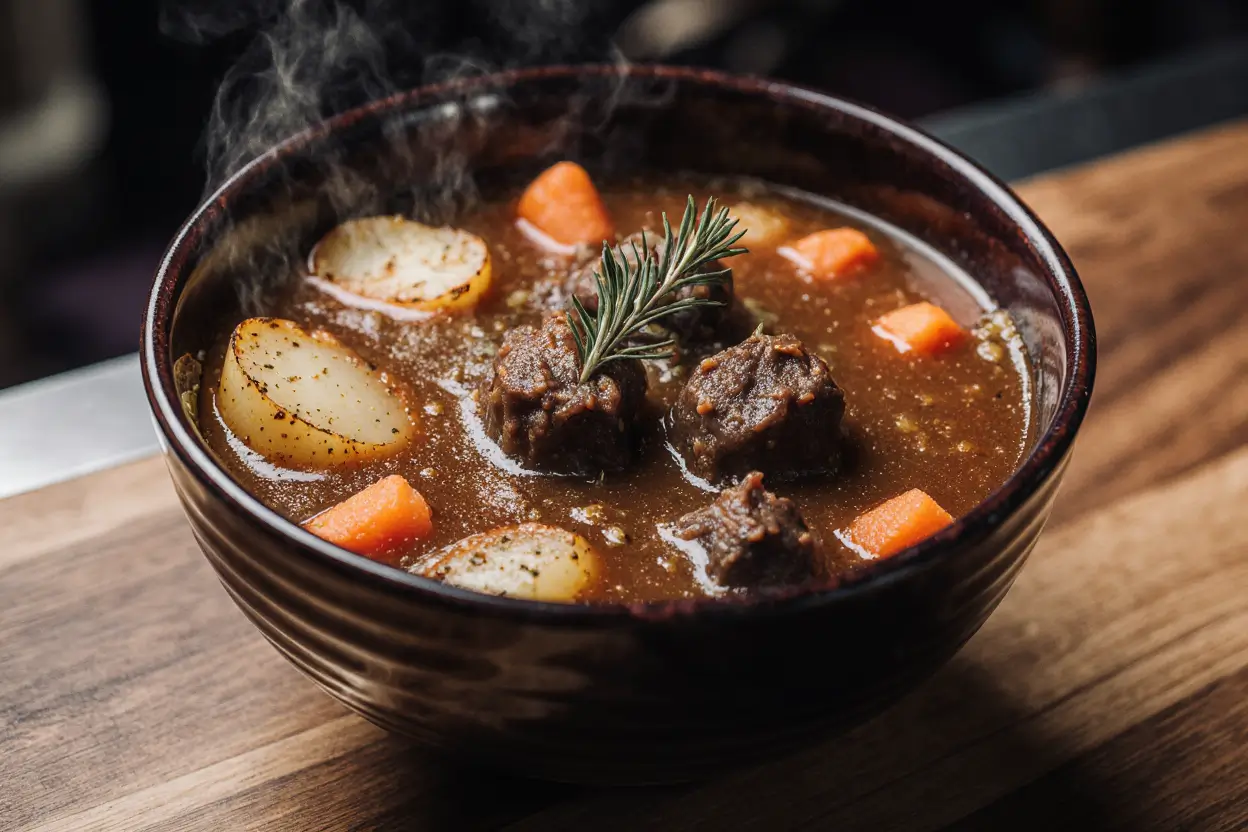
Did you know that roasting vegetables at high temperatures can increase their natural sweetness by up to 40% through caramelization? This scientific fact explains why cozy roasted veggies have become the ultimate easy comfort dinner for busy households worldwide. When you roast vegetables, the Maillard reaction creates complex flavors that simply can’t be achieved through boiling or steaming. This cozy roasted veggies recipe transforms ordinary vegetables into a crispy, caramelized masterpiece that’s perfect for those evenings when you crave something warm, nourishing, and utterly satisfying. Whether you’re a seasoned cook or a kitchen novice, mastering the art of roasting vegetables will revolutionize your approach to healthy, delicious comfort food. The beauty of this dish lies in its versatility—you can adapt it to whatever vegetables are in season, making it an economical and sustainable choice for any dinner table.
Ingredients List
| Ingredient | Amount | Notes |
|---|---|---|
| Sweet potatoes | 2 medium | Cut into 1-inch cubes |
| Carrots | 3 large | Peeled and cut diagonally |
| Red bell peppers | 2 | Seeded and cut into chunks |
| Zucchini | 2 medium | Cut into half-moons |
| Red onion | 1 large | Cut into wedges |
| Brussels sprouts | 2 cups | Halved, with stems trimmed |
| Cherry tomatoes | 1 cup | Whole or halved |
| Garlic cloves | 6 | Whole, unpeeled |
| Olive oil | 1/4 cup | Extra virgin preferred |
| Fresh thyme | 2 tbsp | Or 1 tbsp dried |
| Fresh rosemary | 1 tbsp | Chopped, or 1 tsp dried |
| Sea salt | 1 1/2 tsp | To taste |
| Black pepper | 1 tsp | Freshly ground |
| Smoked paprika | 1 tsp | Adds depth and warmth |
| Balsamic vinegar | 2 tbsp | Optional, for finishing |
| Fresh parsley | 1/4 cup | Chopped, for garnish |
Feel free to substitute vegetables based on what’s available—butternut squash, parsnips, cauliflower, and broccoli all work beautifully in this recipe.
Timing
Preparation Time: 15 minutes Cooking Time: 35-40 minutes Total Time: 50-55 minutes
This timing represents approximately 25% less active cooking time compared to traditional stovetop vegetable preparations, making it an ideal choice for busy weeknights. The hands-off roasting method allows you to prepare other components of your meal or simply relax while the oven does the work.

Step-by-Step Instructions
Step 1: Preheat and Prepare
Preheat your oven to 425°F (220°C). This high temperature is crucial for achieving that coveted caramelization and crispy exterior. Line two large baking sheets with parchment paper or lightly grease them with olive oil. Using two sheets prevents overcrowding, which is the secret to perfectly roasted vegetables rather than steamed ones.
Pro Tip: Place your baking sheets in the oven while it preheats. Adding vegetables to hot pans creates an immediate sear that locks in flavors and promotes better browning.
Step 2: Prep Your Vegetables
While the oven heats, wash and cut all your vegetables into similar-sized pieces, approximately 1-inch chunks. Uniform sizing ensures even cooking—smaller pieces will burn while larger ones remain undercooked. Pat the vegetables dry with paper towels, as excess moisture prevents proper caramelization.
Chef’s Secret: For Brussels sprouts, remove any yellowed outer leaves and cut an “X” into the stem end. This allows heat to penetrate the dense core, resulting in tender interiors and crispy outer leaves.
Step 3: Season and Toss
In a large mixing bowl, combine all your prepared vegetables except the cherry tomatoes and garlic. Drizzle with olive oil and add the thyme, rosemary, sea salt, black pepper, and smoked paprika. Using your hands (the best tools in the kitchen), toss everything together until each piece is evenly coated with the oil and seasonings.
Flavor Boost: Let the seasoned vegetables sit for 5-10 minutes before roasting. This resting period allows the salt to draw out moisture and the herbs to infuse their flavors into the vegetables.
Step 4: Arrange on Baking Sheets
Spread the vegetables in a single layer across your two preheated baking sheets, ensuring there’s space between each piece. Overcrowding creates steam, which leads to soggy vegetables. Nestle the whole garlic cloves among the vegetables—they’ll become sweet and spreadable as they roast.
Important: Place denser vegetables like sweet potatoes and carrots on one sheet, and quicker-cooking vegetables like zucchini and bell peppers on another. This allows you to remove the faster-cooking sheet earlier if needed.
Step 5: Roast to Perfection
Place both sheets in the preheated oven, positioning them on the upper and middle racks. Roast for 20 minutes, then remove the pans and toss the vegetables with a spatula. This ensures even browning on all sides. Add the cherry tomatoes at this point—they need less cooking time to prevent them from turning to mush.
Temperature Check: Your vegetables should start showing golden-brown edges at the 20-minute mark. If they’re still pale, increase the heat slightly or move the pans closer to the top heating element.
Step 6: Final Roast and Finish
Return the pans to the oven, switching their positions (move the top pan to the middle rack and vice versa) for even heat distribution. Roast for an additional 15-20 minutes until the vegetables are tender when pierced with a fork and beautifully caramelized with crispy, golden-brown edges.
Finishing Touch: Once removed from the oven, immediately drizzle the hot vegetables with balsamic vinegar if using. The heat will help the vinegar reduce slightly and create a glossy, flavorful coating. Squeeze the roasted garlic from their skins and mash with a fork, then toss through the vegetables for an extra layer of sweet, mellow garlic flavor.
Step 7: Garnish and Serve
Transfer your cozy roasted veggies to a serving platter and garnish generously with fresh chopped parsley. The bright green herbs add a pop of color and fresh flavor that beautifully contrasts with the deep, caramelized notes of the roasted vegetables.
Nutritional Information
Per serving (based on 6 servings):
- Calories: 165
- Total Fat: 9g (12% DV)
- Saturated Fat: 1.3g
- Carbohydrates: 21g (7% DV)
- Dietary Fiber: 5g (20% DV)
- Sugars: 8g (natural sugars from vegetables)
- Protein: 3g
- Vitamin A: 180% DV
- Vitamin C: 95% DV
- Potassium: 650mg (18% DV)
- Iron: 8% DV
This recipe is naturally vegan, gluten-free, and dairy-free, making it suitable for various dietary preferences. The high fiber content supports digestive health, while the abundance of vitamins A and C boosts immune function. Research shows that roasting vegetables can increase the bioavailability of certain antioxidants, particularly in carrots and tomatoes, making them even more nutritious than their raw counterparts.
Healthier Alternatives for the Recipe
Lower Oil Version: Reduce olive oil to 2 tablespoons and use a cooking spray to lightly mist the vegetables before roasting. This can cut the fat content by approximately 50% while still achieving caramelization.
Increase Protein: Add chickpeas (drained and patted dry) during the last 20 minutes of roasting for a complete vegetarian meal. One cup of chickpeas adds 15g of protein and creates a satisfying, crispy texture.
Reduce Sodium: Cut the salt in half and rely on herbs, spices, and a squeeze of fresh lemon juice at serving time for flavor. Nutritional yeast is another excellent low-sodium option that adds a savory, umami quality.
Blood Sugar Management: Replace sweet potatoes with cauliflower or turnips to lower the glycemic index while maintaining the satisfying, hearty texture of roasted root vegetables.
Anti-Inflammatory Boost: Add turmeric (1 teaspoon) and fresh ginger (1 tablespoon, minced) to your seasoning mix. These spices contain compounds with proven anti-inflammatory properties and complement the sweetness of roasted vegetables beautifully.
Omega-3 Enhancement: Finish the dish with a sprinkle of hemp seeds or chopped walnuts for healthy fats that support heart and brain health.
Serving Suggestions
As a Main Dish: Serve your cozy roasted veggies over a bed of fluffy quinoa, brown rice, or cauliflower rice. Top with crumbled feta cheese, a dollop of Greek yogurt, or tahini sauce for added protein and creaminess.
Mediterranean Style: Toss the roasted vegetables with mixed greens, Kalamata olives, and a lemon-herb vinaigrette. Add grilled chicken or chickpeas for a complete Mediterranean-inspired bowl.
Breakfast Hash: Reheat leftover roasted veggies in a skillet and create wells for eggs. Cover and cook until the eggs are set for a nutritious breakfast or brunch option that’s Instagram-worthy.
Grain Bowl Base: Use these vegetables as the foundation for customizable grain bowls. Let family members or guests choose their own toppings—hummus, avocado, nuts, seeds, or different sauces—for a build-your-own dinner experience.
Pasta Integration: Toss the roasted vegetables with whole wheat pasta, fresh basil, and a drizzle of olive oil for a simple yet elegant vegetarian pasta dish. Add sun-dried tomatoes and pine nuts for extra Mediterranean flair.
Sandwich or Wrap Filling: Layer cold roasted vegetables in whole grain wraps with hummus, mixed greens, and a tangy yogurt sauce for portable, healthy lunches.
Pizza Topping: Use your roasted veggies as gourmet pizza toppings on whole wheat crust with fresh mozzarella and a balsamic glaze drizzle.
Common Mistakes to Avoid
Overcrowding the Pan: This is the number one mistake home cooks make. Studies show that overcrowded pans can reduce caramelization by up to 60%. Vegetables need space to breathe and release moisture. If necessary, use three pans rather than cramming everything onto two.
Cutting Vegetables Unevenly: Inconsistent sizing results in some pieces burning while others remain undercooked. Invest 5 extra minutes in precise cutting—your perfectly roasted vegetables will thank you.
Using Too Little Oil: While we want to be health-conscious, vegetables need adequate fat to caramelize properly. Skimping on oil results in dried-out, steamed vegetables rather than golden, crispy ones. The key is even coating, not oil pooling.
Opening the Oven Door Frequently: Each time you open the oven, the temperature drops by 25-50°F, extending cooking time and affecting texture. Check your vegetables through the oven window and only open when necessary.
Adding Soft Vegetables Too Early: Tomatoes, spinach, and delicate herbs should be added in the final 10-15 minutes. Adding them at the beginning results in mushy, overcooked vegetables that release too much moisture.
Forgetting to Preheat: Room temperature baking sheets and a lukewarm oven lead to steamed rather than roasted vegetables. Always ensure your oven reaches the full temperature before adding food.
Not Drying Vegetables: Water is the enemy of caramelization. After washing vegetables, pat them thoroughly dry with paper towels or a clean kitchen towel. Even small amounts of surface moisture can prevent proper browning.
Using Pre-Cut Vegetables Without Adjustment: Pre-packaged cut vegetables often contain excess moisture from processing and storage. If using these for convenience, spread them on towels for 10 minutes before roasting to remove surface water.
Storing Tips for the Recipe
Refrigeration: Store leftover roasted vegetables in an airtight container in the refrigerator for up to 5 days. Glass containers are ideal as they don’t retain odors and maintain freshness better than plastic.
Freezing: While the texture changes slightly, roasted vegetables can be frozen for up to 3 months. Spread them on a baking sheet to freeze individually first (flash freezing), then transfer to freezer bags. This prevents clumping and allows you to remove only the amount you need.
Reheating for Best Results: Avoid the microwave if possible, as it creates soggy vegetables. Instead, reheat in a 375°F oven for 10-15 minutes or in a skillet over medium-high heat until crispy edges return. A quick blast under the broiler for 2-3 minutes can restore that coveted caramelization.
Meal Prep Strategy: Roasted vegetables are excellent for meal prep. Prepare a double batch on Sunday and use them throughout the week in different ways—salads, grain bowls, omelets, and wraps. This strategy can save 4-5 hours of cooking time weekly.
Pre-Prep Before Roasting: Cut vegetables up to 24 hours in advance and store them in separate containers in the refrigerator. Keep them dry and unseasoned until you’re ready to roast. Add oil and seasonings just before cooking for optimal results.
Maintaining Crispness: If vegetables lose their crispy exterior during storage, don’t despair. Spread them on a baking sheet and roast at 400°F for 8-10 minutes to restore texture. This technique works particularly well for Brussels sprouts and root vegetables.
Portioning for Convenience: Divide roasted vegetables into individual serving containers immediately after cooking. This makes grabbing a healthy lunch or side dish effortless during busy weekdays.
Conclusion
Mastering the art of cozy roasted veggies transforms your approach to easy comfort dinner preparation. This versatile, nutritious recipe proves that healthy eating doesn’t require complicated techniques or exotic ingredients—just quality vegetables, proper technique, and a hot oven. The caramelized edges, tender interiors, and complex flavors created through roasting make vegetables the star of your meal rather than an afterthought. Whether you’re cooking for yourself, your family, or entertaining guests, this recipe adapts beautifully to any occasion and dietary preference.
The 50-minute investment yields not only a delicious dinner but also potential meal prep for days to come. By avoiding common mistakes and following our storage tips, you’ll always have wholesome, flavorful vegetables ready to elevate any meal. The nutritional benefits—high fiber, abundant vitamins, and antioxidants—make this dish as nourishing as it is delicious.
Ready to transform your weeknight dinners? Try this cozy roasted veggies recipe tonight and discover why it’s becoming a staple in kitchens worldwide. Share your creations on social media with #CozyRoastedVeggies, and don’t forget to explore our other seasonal vegetable recipes for year-round inspiration. Your taste buds—and your body—will thank you!
FAQs
Q: Can I use frozen vegetables for this recipe? A: While fresh vegetables yield the best results, frozen vegetables can work in a pinch. Thaw them completely and pat very dry with paper towels to remove excess moisture. Expect slightly longer cooking times and less crispy results. Frozen vegetables have already been blanched, so they’ll soften faster than fresh ones.
Q: What temperature is best for roasting vegetables? A: The sweet spot for roasting vegetables is between 400-450°F (200-230°C). Our recipe uses 425°F, which balances caramelization with even cooking. Lower temperatures result in steamed vegetables, while temperatures above 450°F can burn exteriors before interiors cook through.
Q: Why do my roasted vegetables turn out soggy? A: Sogginess typically results from overcrowding the pan, excess moisture on vegetables, or insufficient oven temperature. Ensure vegetables are dry before roasting, leave space between pieces, and verify your oven temperature with an oven thermometer—many ovens run 25°F cooler than their settings indicate.
Q: Can I prepare the vegetables ahead of time? A: Yes! Cut vegetables up to 24 hours in advance and store them in airtight containers in the refrigerator. Keep them dry and add oil and seasonings just before roasting. Don’t pre-season, as salt draws out moisture that will make vegetables soggy.
Q: What’s the best oil for roasting vegetables? A: Olive oil is our top choice for its flavor and health benefits, but any oil with a high smoke point works well. Avocado oil (smoke point 520°F), grapeseed oil (420°F), and refined coconut oil (450°F) are excellent alternatives. Avoid butter or oils with low smoke points, as they’ll burn at high roasting temperatures.
Q: How do I know when roasted vegetables are done? A: Perfectly roasted vegetables should be tender when pierced with a fork, with golden-brown, caramelized edges. Cooking times vary by vegetable density—softer vegetables like zucchini take 25-30 minutes, while denser options like sweet potatoes need 35-40 minutes. Don’t be afraid to taste-test!
Q: Can I roast vegetables without oil? A: Yes, though results will differ. Use vegetable broth, balsamic vinegar, or aquafaba (chickpea liquid) to coat vegetables instead. The texture won’t be as crispy, but you’ll still achieve caramelization. Parchment paper or silicone baking mats prevent sticking without added fat.
Q: What herbs and spices pair best with roasted vegetables? A: Mediterranean herbs like rosemary, thyme, and oregano are classics. For variety, try cumin and coriander for Middle Eastern flair, curry powder for Indian-inspired vegetables, or Italian seasoning for a versatile blend. Add delicate herbs like basil and parsley after roasting to preserve their fresh flavor.
Q: Can I mix root vegetables with softer vegetables? A: Yes, but timing is key. Start denser vegetables (carrots, potatoes, beets) first, then add softer ones (zucchini, bell peppers, tomatoes) 15-20 minutes into roasting. This ensures everything finishes cooking simultaneously without overcooking delicate vegetables.
Q: How do I prevent garlic from burning? A: Leave garlic cloves whole and unpeeled, or add minced garlic during the last 10 minutes of roasting. Whole cloves develop sweet, mellow flavor without burning, while their papery skins provide protection from direct heat. Alternatively, wrap minced garlic in a small foil packet before adding to the pan.
Delicious vegetables | Easy and comforting dinner