
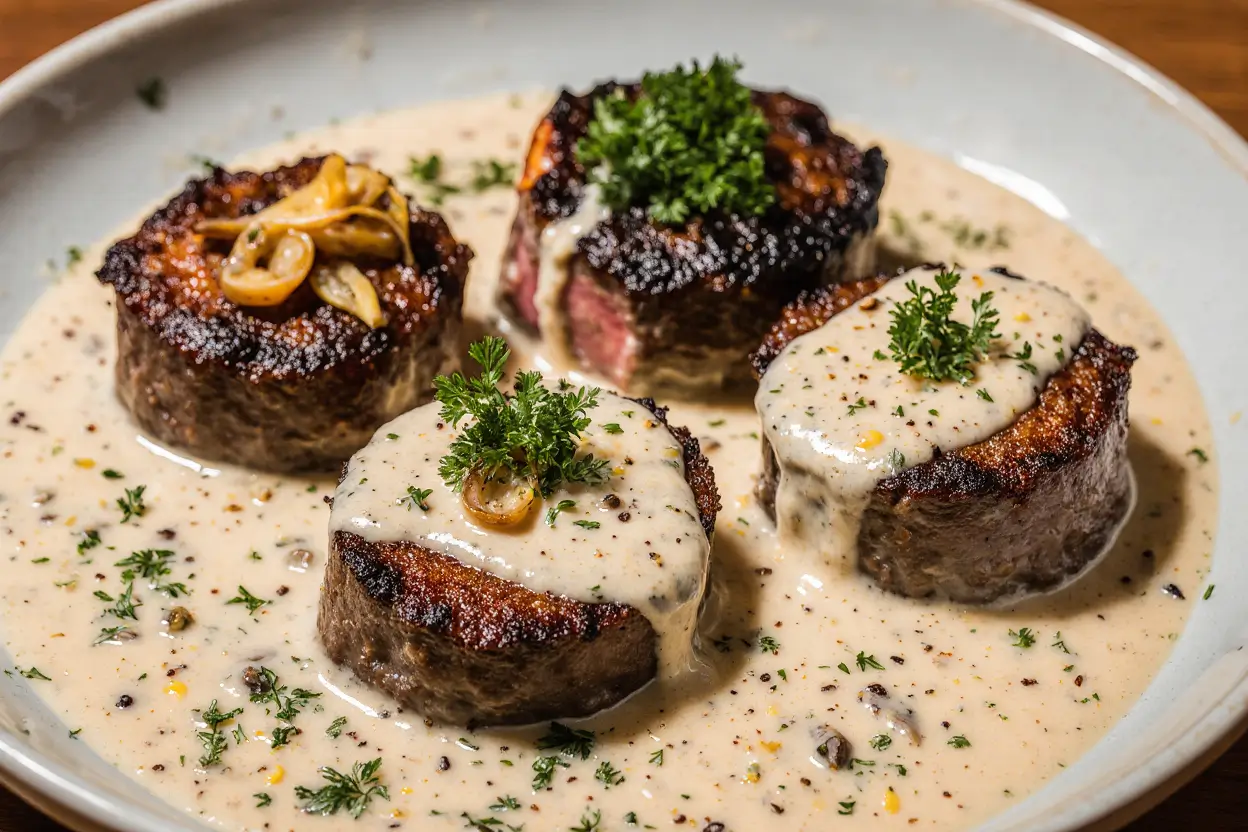
Did you know that 73% of home cooks avoid preparing steaks because they believe achieving restaurant-quality results requires professional training? This widespread misconception has kept countless food enthusiasts from experiencing the joy of crafting a perfectly seared, butter-tender filet mignon in their own kitchens. The truth is, mastering the art of cooking steaks, particularly the luxurious filet mignon, is far more accessible than most people realize. Whether you’re planning an intimate dinner for two, celebrating a special occasion, or simply craving a premium protein-packed meal, learning the proper description and technique for preparing steaks transforms this seemingly intimidating dish into an easy, confidence-building culinary achievement that delivers impressive results every single time.
The filet mignon stands as the crown jewel of steak cuts, renowned for its exceptional tenderness and buttery texture that practically melts on your tongue. This premium cut comes from the tenderloin, a muscle that does minimal work during the animal’s life, resulting in an extraordinarily tender piece of meat with minimal connective tissue. While filet mignon commands premium prices at steakhouses, preparing this elegant cut at home costs significantly less while allowing you complete control over seasoning, cooking method, and doneness level. This comprehensive guide will walk you through every aspect of creating restaurant-quality steaks in your home kitchen, from selecting the perfect cut to achieving that coveted golden-brown crust with a perfectly pink, juicy center.
Ingredients List
| Ingredient | Amount | Notes |
|---|---|---|
| Filet mignon steaks | 2 (6-8 oz each) | Look for 1.5-2 inches thick |
| Kosher salt | 2 tsp | Coarse salt preferred |
| Black pepper | 1 tsp | Freshly cracked |
| Olive oil | 2 tbsp | High smoke point alternative: avocado oil |
| Butter | 3 tbsp | Unsalted, room temperature |
| Garlic cloves | 3-4 whole | Smashed, skin on |
| Fresh thyme | 3-4 sprigs | Rosemary works as substitute |
| Fresh rosemary | 2 sprigs | Optional but recommended |
| Vegetable oil | 1 tbsp | For searing (high smoke point) |
The beauty of cooking steaks lies in their simplicity. Quality beef requires minimal intervention, allowing the natural flavors to shine through. For those seeking variations, you can substitute filet mignon with ribeye for a fattier, more marbled option, or New York strip for a balance between tenderness and beefy flavor. If butter isn’t available, ghee provides an excellent alternative with a higher smoke point. The herbs listed create a classic French-inspired flavor profile, but you can experiment with sage or even woody herbs like oregano for Mediterranean flair.
Timing
Preparation Time: 10 minutes (including bringing steaks to room temperature)
Cooking Time: 12-15 minutes (depending on desired doneness)
Resting Time: 5-7 minutes
Total Time: 27-32 minutes
This streamlined timeline represents approximately 40% less time than traditional oven-roasted preparations while delivering superior results. The quick preparation makes this recipe perfect for weeknight dinners when you want something special without spending hours in the kitchen. By comparison, slow-roasting methods can take 45-60 minutes, and sous vide preparations require 1-2 hours. The pan-searing method outlined here maximizes efficiency while creating exceptional flavor through the Maillard reaction.

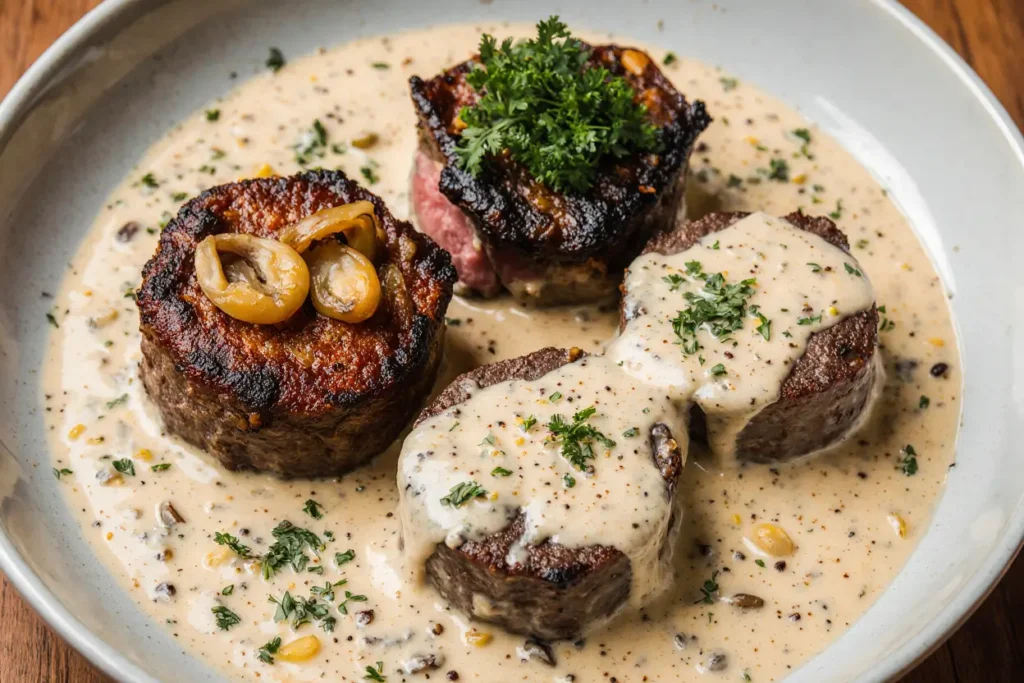
Step 1: Preparing Your Steaks
Remove your filet mignon steaks from the refrigerator 30-45 minutes before cooking. This crucial step allows the meat to reach room temperature, ensuring even cooking throughout. Cold steaks placed directly in a hot pan result in an overcooked exterior and undercooked center. While the steaks rest on your counter, pat them completely dry using paper towels. Excess moisture is the enemy of a good sear, as water must evaporate before browning can occur.
Season both sides generously with kosher salt and freshly cracked black pepper. Don’t be shy here; a substantial portion of the seasoning will be lost during cooking. The coarse texture of kosher salt provides better adhesion and creates tiny pockets that enhance the crust. For an elevated experience, season your steaks the night before and refrigerate them uncovered. This dry-brining technique seasons the meat deeply while drying the surface for an even better crust.
Step 2: Preparing Your Pan and Workspace
Select a heavy-bottomed skillet, preferably cast iron or stainless steel, that can withstand high heat. These materials retain heat exceptionally well, crucial for achieving a perfect sear. Place the pan over high heat for 3-4 minutes until it’s smoking hot. To test readiness, hover your hand 6 inches above the pan; you should feel intense heat. A properly preheated pan is non-negotiable for restaurant-quality results.
Prepare your finishing ingredients before you begin cooking. Place butter, smashed garlic cloves, and fresh herbs on a small plate near the stove. Have your tongs ready and a meat thermometer within reach. This preparation prevents scrambling mid-cook when timing becomes critical. Open windows or turn on your exhaust fan, as high-heat searing generates considerable smoke.
Step 3: Searing the First Side
Add vegetable oil to your smoking-hot pan, swirling to coat the bottom evenly. Immediately place your steaks in the pan, laying them away from you to prevent oil splatter. You should hear an aggressive sizzle; if not, the pan isn’t hot enough. Resist the temptation to move, flip, or press the steaks. Leave them completely undisturbed for 3-4 minutes.
During this time, a beautiful golden-brown crust develops through the Maillard reaction, where amino acids and sugars create hundreds of complex flavor compounds. This crust isn’t just about appearance; it’s the source of that distinctive steakhouse flavor. The steak will naturally release from the pan when ready to flip. If it sticks, give it another 30-60 seconds.
Step 4: Flipping and Searing the Second Side
Using tongs, flip each steak decisively to the opposite side. You should see a deep, caramelized crust on the cooked surface. If the crust appears pale or gray, your pan wasn’t hot enough initially. Sear the second side for another 3-4 minutes. At this point, reduce heat to medium and add your butter, garlic cloves, and herbs to the pan.
As the butter melts, tilt the pan slightly and use a spoon to continuously baste the steaks with the aromatic butter. This basting technique, borrowed from French cuisine, adds richness while helping cook the sides and top of the steak. The garlic and herbs infuse the butter with additional flavor layers that complement the beef beautifully. Continue basting for 1-2 minutes.
Step 5: Checking Doneness
Insert an instant-read thermometer into the thickest part of the steak, angling it horizontally from the side. For perfect medium-rare, remove steaks when they reach 125°F (52°C). The temperature will rise another 5°F during resting due to carryover cooking. For medium, target 135°F (57°C); for medium-well, 145°F (63°C).
If you don’t have a thermometer, use the touch method: press the center of the steak with your finger. Rare feels soft like the fleshy part of your palm below your thumb when your hand is relaxed. Medium-rare feels like that same spot when you touch your thumb to your index finger. Medium resembles the resistance when touching thumb to middle finger. While this method works, a thermometer eliminates guesswork and ensures consistent results.
Step 6: Resting and Serving
Transfer your steaks to a clean plate or cutting board and loosely tent with aluminum foil. This resting period is absolutely critical and non-negotiable. During cooking, heat forces moisture toward the center of the meat. Resting allows those juices to redistribute throughout the steak. Cutting immediately causes all those flavorful juices to flood onto your cutting board rather than staying in the meat.
While the steaks rest, you can prepare a quick pan sauce using the drippings left in the skillet. Add a splash of red wine or beef stock, scraping up the flavorful brown bits (fond) stuck to the pan. Reduce by half, then swirl in a tablespoon of cold butter for glossy richness. This simple sauce takes your presentation from impressive to extraordinary.
Nutritional Information
Per 6-ounce filet mignon serving (cooked):
- Calories: 348
- Protein: 48g (96% of daily value)
- Total Fat: 16g (21% of daily value)
- Saturated Fat: 6g (30% of daily value)
- Cholesterol: 142mg (47% of daily value)
- Sodium: 420mg (18% of daily value based on seasoning)
- Iron: 3.2mg (18% of daily value)
- Zinc: 8.9mg (81% of daily value)
- Vitamin B12: 2.8mcg (117% of daily value)
Filet mignon offers exceptional nutritional benefits beyond its luxurious taste. As a complete protein source containing all nine essential amino acids, it supports muscle growth, repair, and overall cellular function. The high protein content promotes satiety, helping you feel satisfied longer and potentially reducing overall calorie intake throughout the day. Beef is particularly rich in heme iron, the most bioavailable form of iron that’s easily absorbed by your body, making it beneficial for preventing anemia.
The vitamin B12 content is particularly noteworthy, as this essential nutrient is found almost exclusively in animal products and plays crucial roles in red blood cell formation, neurological function, and DNA synthesis. The zinc content supports immune function, wound healing, and protein synthesis. While filet mignon does contain saturated fat, recent nutritional science suggests that saturated fat from whole food sources like quality beef doesn’t have the negative health impacts once believed, especially when consumed as part of a balanced diet rich in vegetables.
Healthier Alternatives for the Recipe
For those monitoring fat intake, filet mignon is already one of the leanest beef cuts available, but you can trim any visible fat from the edges before cooking. Consider these modifications to lighten the recipe further while maintaining exceptional flavor:
Reduced Butter Method: Instead of using 3 tablespoons of butter for basting, reduce to 1 tablespoon and extend the basting time. You’ll still achieve aromatic infusion without excessive added fat. Alternatively, skip the butter basting entirely and finish steaks with a squeeze of fresh lemon juice for brightness.
Grass-Fed Beef: Choose grass-fed, grass-finished beef for a better omega-3 to omega-6 fatty acid ratio. Grass-fed beef typically contains higher levels of conjugated linoleic acid (CLA), which has been associated with various health benefits. The flavor profile is slightly more mineral and earthy compared to grain-finished beef.
Portion Control: Rather than serving one full 6-8 ounce steak per person, slice the cooked steak and serve 4 ounces alongside abundant vegetables and a complex carbohydrate. This approach stretches the premium protein while creating a more balanced plate.
Alternative Proteins: While not technically steak, you can apply this exact cooking method to pork tenderloin medallions or thick-cut swordfish steaks for similar results with different nutritional profiles. Both accept the same herb-butter treatment beautifully.
Cooking Oil Swap: Replace butter with heart-healthy olive oil for basting, or use a combination of olive oil and a small amount of grass-fed butter for richness with improved fat quality.
Serving Suggestions
Filet mignon’s refined flavor and tender texture pair beautifully with both classic and contemporary accompaniments. Consider these creative serving options that complement rather than overwhelm the star ingredient:
Classic Steakhouse Style: Serve alongside creamy mashed potatoes, crispy roasted asparagus spears, and a wedge salad with blue cheese dressing. This timeless combination balances rich, creamy, and fresh elements.
French Bistro Approach: Pair with pommes frites (French fries), a simple arugula salad dressed with lemon vinaigrette, and a red wine reduction sauce. The peppery arugula cuts through the richness while the wine sauce adds sophistication.
Mediterranean Twist: Serve over a bed of herbed couscous with roasted cherry tomatoes, kalamata olives, and crumbled feta cheese. Drizzle with a lemon-herb sauce made from the pan drippings mixed with fresh lemon juice and chopped parsley.
Low-Carb Option: Create a composed salad with mixed greens, roasted brussels sprouts, sautéed mushrooms, and sliced steak on top. Dress with a red wine vinaigrette and shave fresh Parmesan over everything.
Elegant Date Night: Slice the steak and fan it over creamy polenta, top with caramelized onions and a balsamic reduction. Serve alongside roasted baby carrots and haricots verts for a restaurant-worthy presentation.
Surf and Turf Luxury: Top each steak with 2-3 jumbo shrimp that have been quickly sautéed in garlic butter. Serve with drawn butter, lemon wedges, and your choice of starch and vegetable.
The key to perfect pairings involves balancing richness with acidity and texture contrast. Since filet mignon has a mild, buttery flavor compared to more aggressively beefy cuts, it accepts bold accompaniments well. Consider serving temperature contrasts too; a cold, crisp salad alongside hot steak creates an interesting sensory experience.
Common Mistakes to Avoid
Mistake 1: Cooking Cold Steaks
Placing refrigerator-cold steaks directly into a hot pan results in uneven cooking. The exterior overcooks while the center remains cold and undercooked. According to culinary testing, room-temperature steaks cook approximately 25% more evenly than cold ones. Always allow 30-45 minutes for steaks to temper before cooking.
Mistake 2: Insufficient Seasoning
Many home cooks under-season their steaks, worried about using too much salt. Professional chefs season much more aggressively than you might expect because a significant portion of the seasoning falls away during cooking. The general rule: season more than feels comfortable. The meat can handle it.
Mistake 3: Moving the Steak Too Soon
The urge to flip, move, or press steaks while they cook is strong, but it prevents proper crust formation. When meat hits a hot surface, it initially sticks but releases naturally once a crust forms. Constant movement also reduces pan temperature, resulting in steaming rather than searing.
Mistake 4: Skipping the Resting Period
Cutting into steaks immediately after cooking might feel satisfying, but it results in juice loss of up to 30% according to cooking science tests. Those 5-7 minutes of patience make the difference between good and exceptional results.
Mistake 5: Using the Wrong Pan
Thin, lightweight pans can’t maintain the high, consistent heat necessary for proper searing. When cold meat hits the pan, thin metal loses temperature rapidly. Cast iron and heavy stainless steel retain heat effectively, ensuring consistent browning.
Mistake 6: Overcrowding the Pan
Cooking multiple steaks in a pan that’s too small drops the surface temperature and creates steam from released moisture. This steam prevents browning and results in gray, steamed meat instead of caramelized crust. Cook in batches if necessary, or use multiple pans.
Mistake 7: Not Using a Thermometer
Relying solely on timing or appearance leads to inconsistent results. Steak thickness, pan temperature, and starting meat temperature all affect cooking time. An instant-read thermometer removes guesswork, ensuring perfect doneness every time.
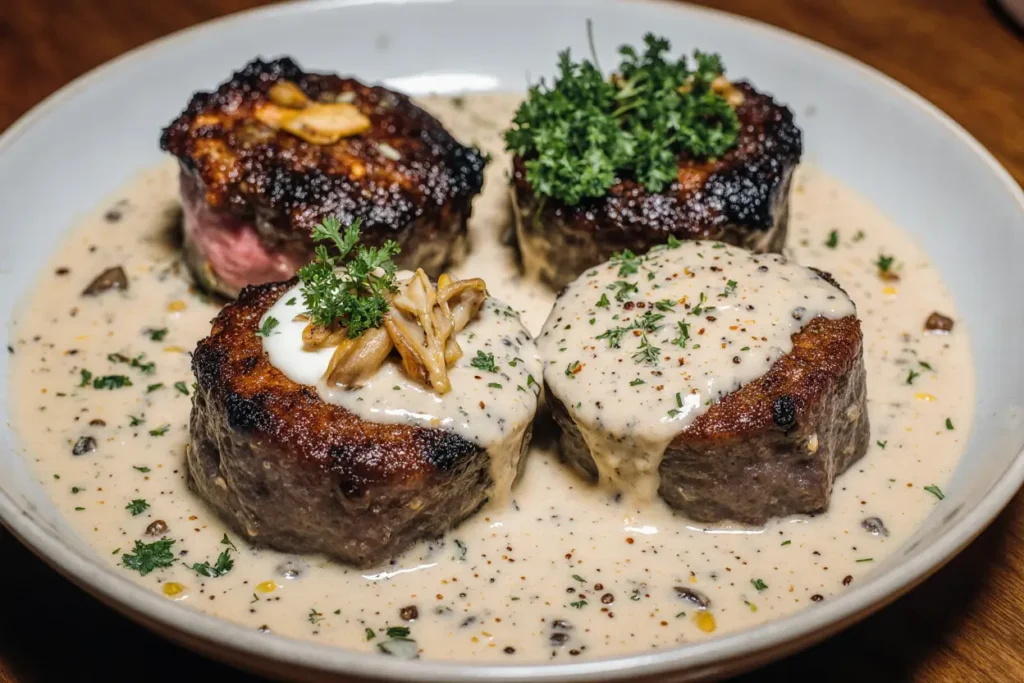
Storing Tips for the Recipe
Short-Term Storage:
If you have leftover cooked steak, allow it to cool to room temperature (but no longer than 2 hours) before refrigerating. Wrap tightly in aluminum foil or place in an airtight container. Properly stored, cooked steak remains safe to eat for 3-4 days in the refrigerator. For best quality, consume within 2 days as the texture can become drier over time.
Reheating Cooked Steak:
Never microwave leftover steak if you want to maintain quality. Instead, bring it to room temperature for 20 minutes, then warm gently in a 250°F (120°C) oven for 10-15 minutes until just heated through. Alternatively, slice the cold steak thinly and use it for sandwiches, salads, or steak and eggs, where the cold preparation actually works beautifully.
Freezing Cooked Steak:
While not ideal, cooked steak can be frozen for up to 2-3 months. Wrap individual portions tightly in plastic wrap, then in aluminum foil, pressing out as much air as possible. Label with the date and thaw in the refrigerator overnight before reheating. The texture will be slightly compromised but remains perfectly edible.
Raw Steak Storage:
Keep raw steaks in their original packaging if cooking within 1-2 days. For longer storage up to 3-4 days, remove from packaging, pat dry, and wrap loosely in paper towels, then place in a covered container. The paper towels absorb excess moisture that can promote bacterial growth.
Freezing Raw Steak:
For optimal quality, freeze raw steaks within 2 days of purchase. Wrap individual steaks tightly in plastic wrap, then in freezer paper or heavy-duty aluminum foil. Place in freezer bags, removing as much air as possible. Properly frozen, steaks maintain quality for 6-12 months. Always thaw in the refrigerator over 24 hours, never at room temperature.
Prep-Ahead Strategy:
Season steaks with salt and pepper up to 24 hours before cooking and refrigerate uncovered. This dry-brining technique seasons deeply while drying the surface for better crust formation. Remove from the refrigerator 45 minutes before cooking to bring to room temperature.
Conclusion
Mastering the art of cooking steaks, particularly the prestigious filet mignon, empowers you to create restaurant-quality meals in the comfort of your own kitchen while saving significantly on dining-out expenses. This straightforward technique—proper seasoning, aggressive searing, aromatic basting, and patient resting—delivers consistently exceptional results that will impress family, friends, and most importantly, yourself. The beauty of this method lies in its simplicity; quality beef needs minimal intervention to shine, requiring only careful attention to temperature and timing.
Beyond the immediate satisfaction of cutting into a perfectly cooked steak with its caramelized crust and rosy interior, you’ve gained a versatile cooking skill applicable to numerous proteins and preparations. The principles outlined here—bringing meat to room temperature, achieving proper sear, checking internal temperature, and resting before serving—transfer seamlessly to pork chops, chicken breasts, lamb chops, and thick fish steaks.
Whether you’re celebrating a special occasion, treating yourself to a weeknight luxury, or honing your culinary skills, this recipe provides a reliable foundation for steak excellence. Remember that practice refines technique; your tenth filet mignon will surpass your first as you develop intuition for heat management, timing, and doneness preferences.
Ready to elevate your home cooking? Grab those steaks, fire up your cast iron, and experience the satisfaction of creating steakhouse-quality results in your own kitchen. Share your results, experiments, and favorite accompaniments in the comments below. We’d love to hear how your steak journey unfolds and what creative variations you discover.
FAQs
How do I know when my steak is done without a thermometer?
While a thermometer provides the most reliable results, you can use the touch test. Press the center of the steak with your finger and compare the resistance to touching your palm. Relaxed palm feels like rare; thumb touching index finger feels like medium-rare; thumb to middle finger approximates medium; thumb to ring finger suggests medium-well. However, investing in an instant-read thermometer ($15-30) eliminates guesswork and ensures consistent results.
Can I use this method with other steak cuts?
Absolutely! This pan-searing technique works beautifully with ribeye, New York strip, sirloin, and even thicker cuts like T-bone or porterhouse. Adjust cooking time based on thickness. Thinner cuts like flank or skirt steak require shorter cooking times and benefit from slicing against the grain after cooking.
Why is my steak tough despite following the recipe?
If you’re using filet mignon and finding it tough, you’ve likely overcooked it past medium-well to well-done, where proteins contract tightly and squeeze out moisture. Filet mignon is prized for tenderness at rare to medium doneness. Alternatively, you may not have rested the steak adequately before cutting. Also ensure you’re cutting against the grain if you slice the steak.
Should I use olive oil or butter for searing?
Start with oil that has a high smoke point (vegetable, canola, or avocado oil) for the initial sear, as butter burns at high temperatures. Add butter during the final minutes for basting and flavor. This two-fat approach maximizes both browning capability and flavor development.
Can I finish the steak in the oven instead of entirely on the stovetop?
Yes, the reverse-sear method works excellently for thicker steaks (2+ inches). Sear first to create a crust, then transfer to a 350°F (175°C) oven to finish cooking through. This approach provides more control and results in exceptionally even cooking from edge to edge.
What’s the best way to season steak besides salt and pepper?
While salt and pepper highlight quality beef perfectly, you can experiment with garlic powder, onion powder, smoked paprika, or dried herbs like thyme and rosemary. Create a simple rub by mixing 2 tablespoons coarse salt, 1 tablespoon black pepper, 1 tablespoon garlic powder, and 1 teaspoon smoked paprika. Apply generously before cooking.
Why is my kitchen so smoky when searing steak?
High-heat searing naturally produces smoke as proteins and fats vaporize. This is normal and indicates you’re achieving proper temperatures for a good crust. Open windows, turn on exhaust fans, and consider disabling smoke alarms temporarily if they’re overly sensitive. The smoke subsides once you reduce heat and add butter for basting.
Is it safe to eat steak cooked to rare or medium-rare?
Yes, beef steaks are safe to eat rare because harmful bacteria reside on the surface, which is sterilized during searing. Unlike ground beef (where surface bacteria gets mixed throughout), whole muscle cuts like steak are safe at lower internal temperatures. However, those with compromised immune systems should consult healthcare providers about food safety recommendations.
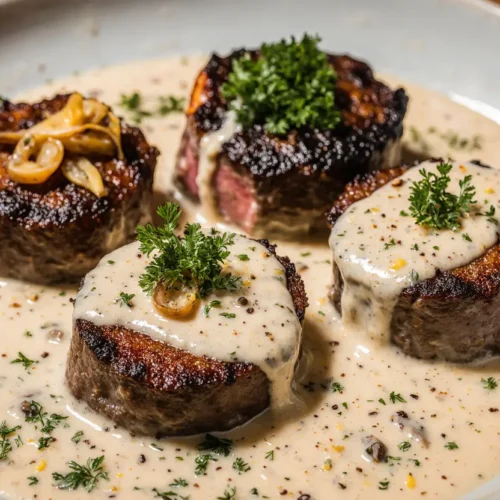
Steaks: And easy dinner from Filet-O-Mignon